Aneel Eneva Contract Decision Halts Brazil Power Plant Deal
BRAZIL · ENERGY
Key Facts
- —What happened Aneel, the national electricity regulator, voted 3–2 against a settlement on Eneva’s plant contracts on 21 September 2026.
- —The money Regulators valued the deal at about R$1.7 billion (US$333 million) in consumer savings to 2030.
- —The plants Four units in Maranhão and Amazonas states, about 1.2 gigawatts, keep their old contract terms.
- —The catch The full reasoning stays sealed, so only a short extract of the minutes is public.
- —Next in line A Pará plant now owned by Arxen wants its own must-run duty cut to zero.
- —Market reaction Eneva shares closed at R$27.77 (US$5.43) on 22 September, down 0.72%.
A 3–2 vote at Brazil’s power regulator ended months of talks at the federal audit court. Four gas-fired units keep the terms they signed at auction.
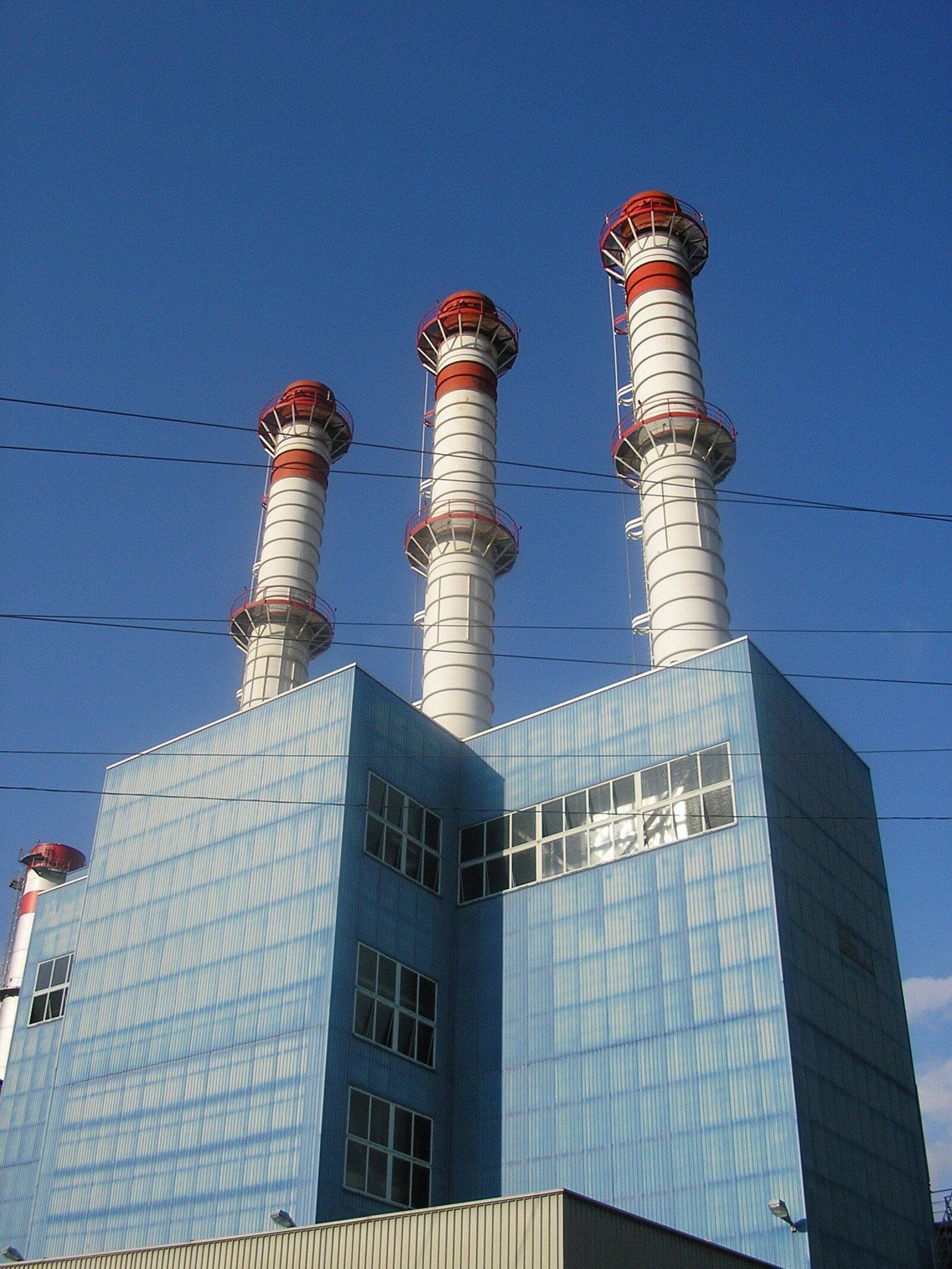
The Aneel Eneva contract decision went against the company by 3 votes to 2 on Monday 21 September 2026. Brazil’s power regulator refused to bless a settlement covering four gas-fired units.
What the Aneel Eneva contract decision changes
The Aneel Eneva contract decision leaves four of the company’s gas-fired units on the terms they signed at auction. They were contracted in three separate power auctions, held in 2011, 2019 and 2022.
The units are UTE Maranhão III, UTE MC2 Nova Venécia 2, and Azulão II and IV. They sit in the states of Maranhão and Amazonas and total about 1.2 gigawatts (GW).
The settlement would have removed their duty to generate a set volume of power. In exchange, the units would have stayed available for the national grid operator to call on.
The terms included an operating cost of R$760 (US$149) per megawatt-hour and a minimum run time of 12 hours. Foreign amounts here use 23 September 2026 rates, about 5.11 reais to the dollar.
The vote and the end of the audit court talks
Three directors voted to keep the contracts unchanged: director-general Sandoval Feitosa, Ludimila Lima and Willamy Frota. Gentil Nogueira and Agnes da Costa voted to allow the deal and were outvoted.
The vote took place in a closed administrative meeting, and Aneel published an extract of the minutes the next morning. The agency said it cannot release more, because the case file is sealed.
The next day, a commission at the TCU, Brazil’s federal audit court, ended the negotiation. The Tuesday afternoon meeting brought together the court, Eneva, Aneel and the Mines and Energy Ministry.
With that, the contracts stay as they are. Papers kept under restricted access during the talks are due to be made public.
Live Company IntelligenceEneva S.A — the full investor dossier
Valuation & profitability
Price & risk
$16.0352-wk high
$28.15
Revenue trend · 6y
Ownership
Dividend
What an inflexibility charge means for your bill
An inflexibility charge is a contract rule that forces a power plant to run on a set schedule. It generates, and gets paid, even when the grid does not need the power.
Think of it as a gym membership you must pay whether or not you go. The cost lands in regulated electricity tariffs paid by households and small firms.
Brazil now has a lot of cheap wind and solar power at midday. Must-run gas plants can crowd that output out, so wind and solar farms are switched off instead.
Brazil’s electricity trading chamber, the CCEE, put the saving at about R$1.7 billion (US$333 million) to 2030. The consultancy PSR put the benefit at R$3.2 billion (US$626 million).
The Pará plant that wants the same relief
A separate request sits with Aneel from Arxen, the new name for New Fortress Energy’s Brazilian business. It concerns the Novo Tempo Barcarena plant in the state of Pará.
Today that plant must generate an average of 580.83 megawatts between July and December each year. From January to June its inflexibility is already zero.
Arxen has asked Aneel to zero the duty for an initial five years. The plant would still be available whenever the national grid operator calls on it.
Aneel’s technical staff have sent the request to the grid operator and the trading chamber for review. A decision date has not been announced.
Gas supply around Barcarena has been tight this year. In August, Norsk Hydro’s Alunorte refinery temporarily cut alumina output and bought liquefied natural gas on the market.
Why this matters for expats and investors in Latin America
Brazil’s power sector draws heavy foreign investment, and many expats here run businesses that pay regulated tariffs. Decisions like this one shape what those tariffs cover.
The savings the ministry promised will not arrive by this route. Bills can still move for other reasons, such as rainfall, fuel costs and new auctions.
For investors, the signal is that long contracts are hard to reopen, even with the government on side. That cuts both ways, protecting agreed revenue while blocking changes that could lower costs.
What is not known is whether Eneva will try another legal or regulatory route. The company has not said, and the reasons given by each Aneel director are sealed.
What Eneva has said, and what comes next
Eneva did not comment when the talks closed, and it has published no market notice on the outcome. Its shares closed at R$27.77 (US$5.43) on 22 September, a fall of 0.72% on the day.
The reaction was muted. The stock is still up about 68% over the past 12 months, according to market data.
The Mines and Energy Ministry had backed the deal, citing studies by the grid operator and the trading chamber. Those studies modelled effects only to 2030, while the contracts run for longer.
That gap in the modelling is what the three directors who voted no could not accept. For now the old terms hold, and the argument over must-run gas plants moves north to Pará.
Frequently Asked Questions
What exactly did Aneel reject?
A negotiated settlement that would have removed the must-run duty from four Eneva gas plants. The board voted 3–2 against it on 21 September 2026.
Are the audit court talks over?
Yes. The TCU’s consensual solution commission closed the negotiation on 22 September 2026, and the contracts stay unchanged.
What is an inflexibility charge?
It is a contract rule that makes a plant generate power on a set schedule. Consumers pay for that power even when the grid does not need it.
Sources: Agência iNFRA and MegaWhat on Aneel’s sealed board vote; Tribunal de Contas da União (TCU) SecexConsenso; Estadão Conteúdo via eixos; Reuters via CNN Brasil; InfoMoney; New Fortress Energy; Status Invest.
This article was produced by The Rio Times’ automated newsroom system. How we use AI · Report an error
LatAm Markets: Live Signals → — real-time movers, turnover leaders and FX across Latin America.
Read More from The Rio Times