Why Americans and Brazilians Are Moving to Uruguay
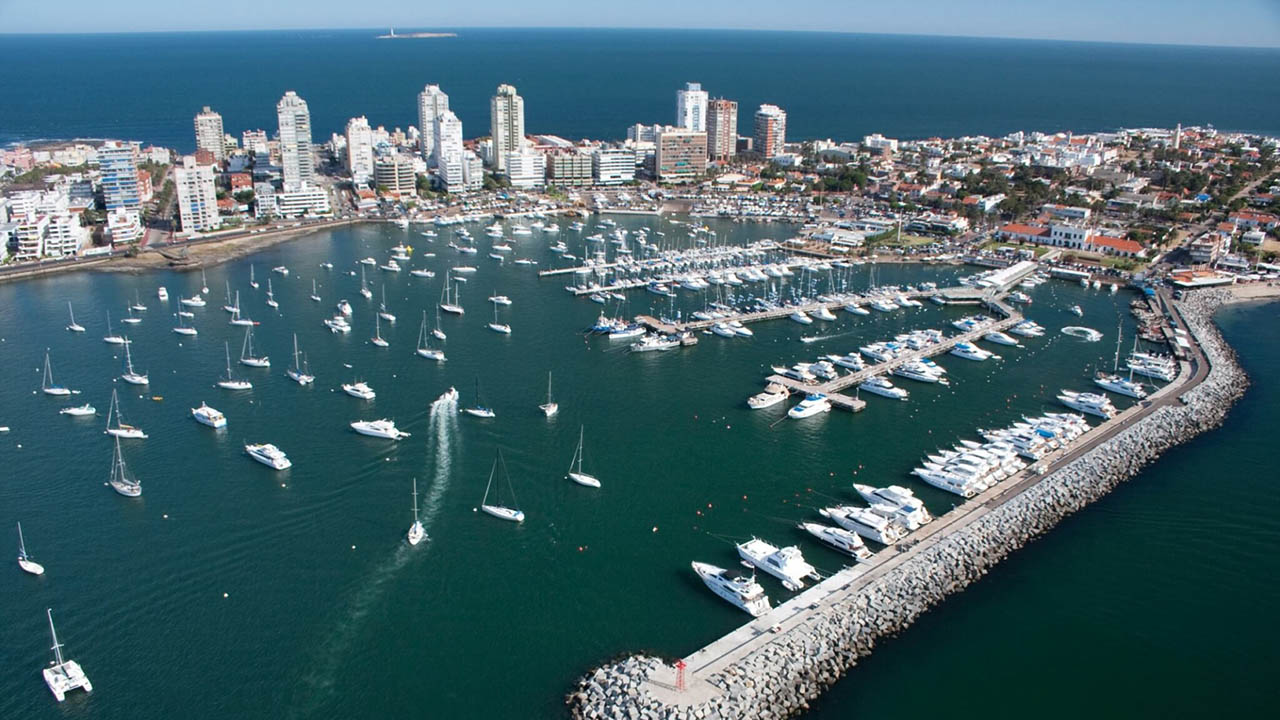
Quiet, stable Uruguay is having a moment. Two very different groups are moving to Uruguay in growing numbers — Americans citing politics back home, and Brazilians chasing a generous tax deal — and together they are reshaping Montevideo and the coast.
It is a striking contrast with neighbours tightening their borders: while Chile rolls out a migrant-departure plan, Uruguay is fielding a wave of newcomers who actively chose it.
Key Facts
- American arrivals doubled. 616 Americans began the residency process in 2025 — more than double the 303 of 2024.
- A “Trump effect.” Many cite US politics as the reason, with a notable share being LGBTQ+ couples, trans people and families.
- Brazilians at a 10-year high. Brazilian residency requests are up about 47% so far this year, driven by Uruguay’s tax holiday.
- Where they settle. Montevideo, Punta del Este and Maldonado are the main landing spots.
- A bigger migrant workforce. 104,174 migrant workers now pay into social security — about 6.5% of registered workers, double the 2017 figure.
Why Americans are moving to Uruguay
The number of Americans starting residency in Uruguay more than doubled in a single year, from 303 in 2024 to 616 in 2025. What stands out is who is coming: alongside retirees and remote workers, practitioners report a clear rise in LGBTQ+ couples, trans people and families who describe their move in terms of US politics — a “Trump effect” — and who often say a chatbot first pointed them toward Uruguay as a safe, stable option.
| Group | Trend |
|---|---|
| Americans starting residency | 303 (2024) → 616 (2025) |
| Brazilian residency requests | up ~47% so far this year |
| Migrant workers in the system | 104,174 (~6.5% of registered workers) |
The Brazilian wave
From the other side of the border, Brazilian migration has hit a 10-year high, with residency requests up roughly 47% on last year. Here the driver is money: Uruguay’s multi-year tax holiday on foreign income, which lets newcomers shield overseas earnings for an extended period.
The arrivals cluster in Punta del Este, Maldonado and Montevideo, blending into a coast that already has deep Brazilian and Argentine summer ties.
What’s drawing them — and the catch
The pull is easy to understand: Uruguay offers safety, political stability and a high quality of life, plus that headline tax break. But the picture is shifting.
Montevideo is now the most expensive city in South America, with rents quoted in dollars, and the government is bringing in a new 12% tax on foreign income — narrowing the very advantage that draws many Brazilians. Anyone moving largely for tax reasons should look closely at what is actually changing before committing.
For now, the momentum is real, and it is changing the texture of daily life in Montevideo and Punta — more English and Portuguese on the street, new cafés and services, and rising demand for housing.
Frequently Asked Questions
Why are so many Americans moving to Uruguay?
The number starting residency more than doubled from 2024 to 2025 (from 303 to 616). Many describe their move in terms of US politics — a “Trump effect” — and practitioners note a clear rise in LGBTQ+ couples, trans people and families.
Uruguay’s reputation for safety and stability is the common thread.
What’s bringing Brazilians across the border?
Mostly the tax deal. Uruguay’s multi-year tax holiday on foreign income has helped push Brazilian residency requests up about 47% so far this year, to a 10-year high.
Most settle in Punta del Este, Maldonado or Montevideo.
Is Uruguay still a tax-friendly choice?
Less than it was. The tax holiday still exists, but the government is introducing a new 12% tax on foreign income, and Montevideo is now South America’s most expensive city.
If tax is your main reason for moving, study the current rules carefully — they are changing.
Where do most newcomers settle?
Montevideo for city life and services, and Punta del Este and Maldonado on the coast. These areas already have strong regional ties and are seeing the most new cafés, housing demand and English- and Portuguese-speaking community growth.
This article was produced by The Rio Times’ automated newsroom system. How we use AI · Report an error · Editorial responsibility: Matthias Camenzind, Editor-in-Chief
Expat Guide to Uruguay
What The Rio Times publishes for foreigners who live in or move to Uruguay.
Start here
- Cost of Living Punta del Este 2026: Half Again Above Montevideo
- Uruguay vs Paraguay for Expats in 2026: Cheap Living or a Tax Holiday
- Uruguay Residency Visa Rules and the 12 Percent Tax on Foreign Income
- Opening a Bank Account in Uruguay as a Foreigner
City guides
Coming up in Uruguay
- Milongas Extremas Zitarrosa Tribute Set for 22 October 2026 in Uruguay 22 Oct
- La Delio Valdez in Montevideo, Uruguay: Argentine Cumbia Orchestra Plays Teatro de Verano on 24 October 24 Oct
- Camilo in Montevideo, Uruguay: Colombia's Pop Star at the Antel Arena on October 28, 2026 28 Oct
- Antel Campus Party Hits Montevideo, Uruguay 30–31 Oct 30 Oct
Understand Uruguay