Brazil’s STF Upholds the Amazon Soy Moratorium — But Lets States Punish It
Key Facts
- Ruling Kept The STF declared the Amazon Soy Moratorium constitutional and ordered legal challenges dismissed, including at antitrust regulator CADE.
- State Laws The Court upheld Mato Grosso and Rondônia laws that strip tax benefits from companies adhering to the moratorium.
- Time Limits Any tax-benefit removal must respect annual anteriority and 90-day nonagesimal rules.
- Justice Vote The state laws were upheld by a broad majority, Edson Fachin dissenting alone; Toffoli, Mendonça and Fux dissented on a separate question.
- Trader Exit Major grain traders withdrew in January 2026 after states passed the tax-penalty laws.
- Deforestation Risk A study warns weakening the pact could expose up to 1.4 million hectares over a decade.
- Reactions Mixed Abiove welcomed legal clarity; Greenpeace called the ruling weakened; producers praised state authority.
The court kept the Amazon Soy Moratorium alive in name, but handed states the fiscal weapon to dismantle it. For traders and investors, the real question is no longer legality — it’s whether any private pact can survive when local governments penalize participation.
If you’re following Brazil’s agribusiness from abroad, the Supreme Federal Court just handed you a paradox. On August 12, 2026, the STF ruled the Amazon Soy Moratorium constitutional — and simultaneously upheld state laws in Mato Grosso and Rondônia that remove tax benefits from companies that follow it. That’s not a ban, and it’s not an endorsement. It’s a legal structure that keeps the pact technically alive while stripping away the fiscal protection that made it workable. For anyone invested in soy supply chains or living in a country that buys Brazilian grain, this is a decision with consequences that will take years to fully unfold.
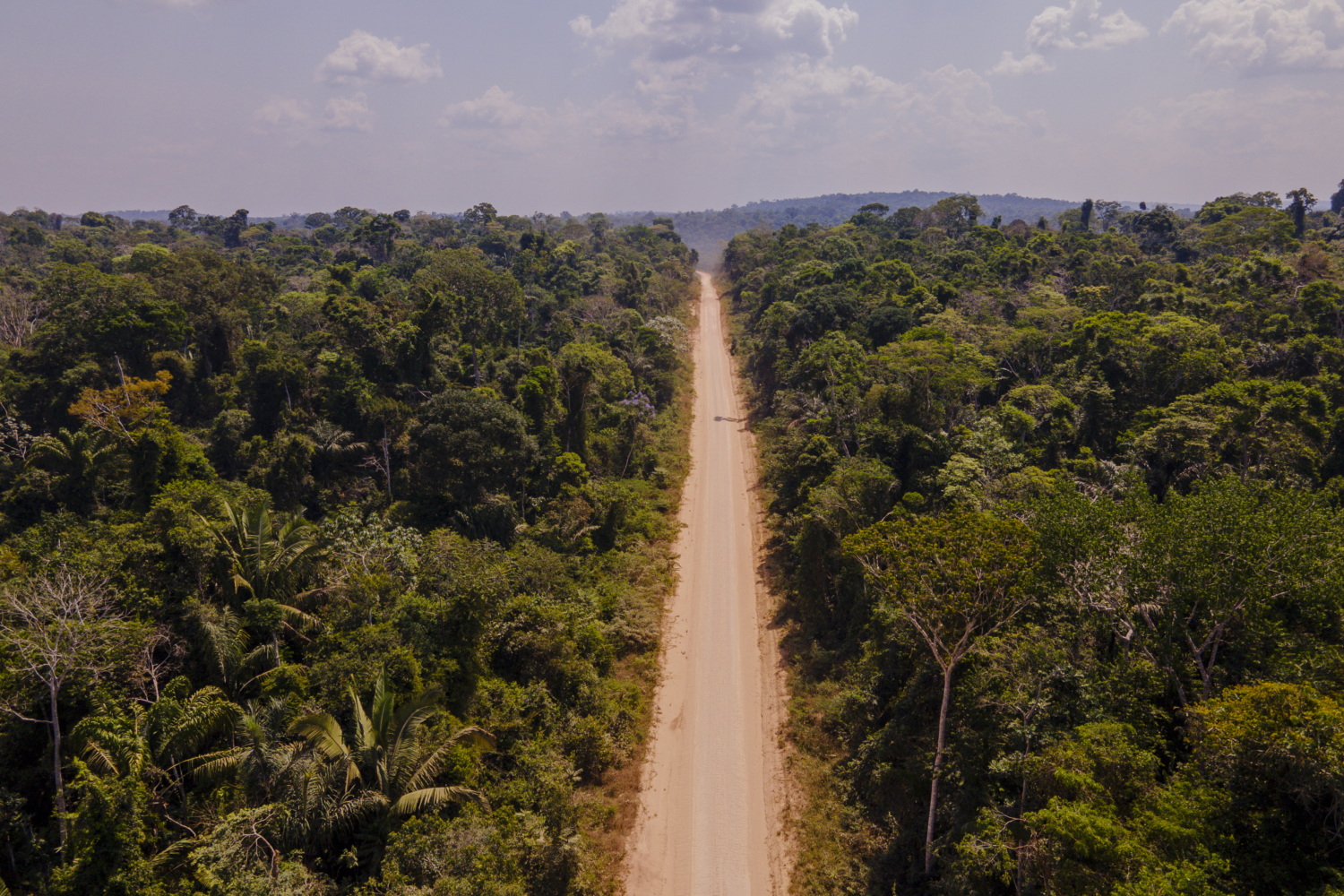
What Brazil’s STF Decided on the Amazon Soy Moratorium
The STF did not abolish the Amazon Soy Moratorium. It did the opposite on one front: it declared the voluntary 2006 pact constitutional and ordered courts and CADE to dismiss challenges against it. That part is clear. The moratorium — under which the industry associations Abiove and ANEC, whose members include traders such as Cargill and Bunge, agreed not to buy soy from Amazon land cleared after July 2008 — remains legally valid.
But the same ruling upheld state laws in Mato Grosso and Rondônia that revoke tax incentives from companies participating in the pact. The overall case was reported by Justice Flávio Dino, and the constitutionality vote was decisive; The state tax laws were upheld by a broad majority, Edson Fachin dissenting alone. Dias Toffoli, André Mendonça and Luiz Fux formed the minority on a different question, the moratorium’s own constitutionality and the archiving of the CADE proceedings. The Court added a safeguard: any removal or reduction of tax benefits must respect annual anteriority and 90-day nonagesimal rules, meaning the fiscal change can’t hit immediately. That’s a procedural brake, not a substantive one.
Why the State Laws Matter More Than the Ruling
The practical effect is blunt. Major grain traders already withdrew from the moratorium in January 2026, after top soy-producing states passed laws penalizing signatories. The STF’s decision now cements that reality. The pact is constitutional, but companies that adhere to it face a financial penalty from state governments. That’s not a neutral outcome — it’s a structural disincentive dressed in legal neutrality.
For a trader deciding whether to keep buying only from non-deforested land, the math just changed. The moratorium was always a market-based mechanism, not a government mandate. It worked because buyers and sellers agreed it was worth the cost. Now, states have made that cost explicit and punitive. The Court didn’t end the moratorium, but it gave states the tools to make participation commercially irrational.
The Deforestation and EU Market Risk
The environmental stakes are significant. A study in the journal Science warns that if the pact effectively collapses, it could add up to 1.4 million hectares of Amazon deforestation over the next decade; the same study cautions that as much as 9 million hectares — an area roughly the size of Portugal — could ultimately be cleared legally under Brazil’s Forest Code. That’s not a prediction of immediate clearing; it’s a warning about removing a market-based barrier that helped reduce forest loss.
For the EU market, the immediate implication is more uncertainty in supply-chain compliance. The moratorium had functioned as a private-sector traceability standard that European buyers and regulators often treat as relevant to deforestation-risk controls. No source gives a quantified estimate of direct export losses or a specific EU policy response. But the compliance risk is real: if the pact fades, European buyers lose a familiar benchmark, and Brazilian exporters lose a tool that helped them prove their soy wasn’t linked to recent clearing.
Why This Matters If You Live or Invest in Latin America
If you live in Brazil or have money in Latin American agribusiness, this ruling reshapes the risk map. The Amazon Soy Moratorium was one of the region’s most visible private-sector environmental commitments. Its erosion signals that state governments can override voluntary sustainability standards with fiscal policy. That doesn’t just affect soy — it sets a precedent for other commodities and other states. Investors who priced in the moratorium as a stable risk-reduction tool now need to reassess. And residents who care about deforestation have lost a safeguard that, while imperfect, had held for nearly two decades.
The reactions on August 12 tell the story. Abiove said the ruling ends years of legal uncertainty and validates voluntary commitments — but spoke of the moratorium in the past tense. Greenpeace Brazil’s legal manager, Angela Barbarulo, welcomed the constitutional validation but said the ruling created an apparent contradiction by legitimizing state laws that weaken voluntary environmental agreements. The Mato Grosso Soy Producers Association said the ruling reinforces state authority to resist private-sector restrictions beyond what law requires — and vowed to fight any future pact that recreates the moratorium’s limits.
More: Brazil news in English, every day from The Rio Times.
Frequently Asked Questions
Did the STF ban the Amazon Soy Moratorium?
No. The Court declared the moratorium constitutional and ordered legal challenges dismissed. However, it also upheld state laws that remove tax benefits from companies adhering to the pact, which weakens its practical enforcement.
What happens to traders that signed the moratorium?
Major traders already withdrew in January 2026 after states passed the tax-penalty laws. The STF ruling keeps the pact legally valid but leaves it without the fiscal protection that helped sustain participation, so a revival in its former form is unlikely.
Could this lead to more deforestation?
A study in the journal Science warns that weakening the pact could add up to 1.4 million hectares of Amazon deforestation over the next decade, with as much as 9 million hectares — an area roughly the size of Portugal — legally clearable under the Forest Code over time. The ruling itself doesn’t authorize clearing, but it removes a market-based barrier that helped reduce forest loss.
Connected Coverage
Sources: Supremo Tribunal Federal (official note, 12 August 2026); Migalhas; Conjur; Poder360; Associated Press; Greenpeace Brazil; journal Science.
This article was produced by The Rio Times’ automated newsroom system. How we use AI · Report an error
Read More from The Rio Times