IBOV 175,135.41 ▲ 0.31% IPSA 11,470.79 ▲ 0.89% IPC MEX 66,090.98 ▼ 0.15% MERVAL 3,001,209 ▼ 0.79% COLCAP 2,489.80 ▼ 0.59% BVL PERÚ 60,629.82 ▲ 0.25% USD/BRL5.16▲ 0.23% USD/MXN16.96▲ 0.03% USD/CLP926.00▲ 0.47% USD/COP3,150▲ 1.82% USD/PEN3.35▲ 0.16% USD/ARS1,512▼ 0.15% USD/UYU40.25▲ 1.53% USD/PYG5,905▲ 0.48% USD/BOB11.65▲ 2.81% USD/DOP58.25▲ 0.75% USD/CRC448.38▲ 1.62% USD/GTQ7.63▲ 2.37% USD/HNL26.83▲ 1.77% USD/NIO36.62▲ 0.79% USD/VES789.69▼ 0.08% USD/PAB1.00— 0.00% USD/BZD2.00— 0.00% USD/JMD 157.28 — 0.00% USD/TTD6.73▲ 1.14% EUR/BRL6.01▲ 0.17% BRENT 88.88 ▼ 0.03% WTI 83.11 ▼ 0.11% IRON ORE 161.91 — — COPPER 6.61 ▲ 0.03% GOLD 4,461 ▲ 1.78% SILVER 65.59 ▲ 1.26% SOY 1,184 ▲ 3.20% CORN 480.50 ▲ 10.02% WHEAT 655.00 ▲ 3.93% COFFEE 317.25 ▼ 5.51% SUGAR 16.43 ▼ 1.79% ORANGE JUICE 138.55 ▼ 0.47% COTTON 85.03 ▲ 2.33% COCOA 5,719 ▲ 3.18% BEEF 223.60 ▼ 3.93% CATTLE 339.10 ▼ 3.16% LITHIUM 75.20 ▲ 1.47% PETR4 41.64 ▼ 0.05% VALE3 72.97 ▲ 0.83% ITUB4 38.60 ▼ 1.03% BBDC4 16.85 ▲ 0.36% ABEV3 14.89 ▼ 0.80% BBAS3 19.37 ▲ 0.47% B3SA3 14.26 ▼ 0.21% WEGE3 47.59 ▲ 0.49% PRIO3 59.14 ▼ 0.19% SUZB3 41.33 ▲ 2.35% RENT3 34.68 ▼ 0.09% AZZA3 15.89 ▼ 2.63% CSAN3 3.22 ▼ 1.83% RAIZ4 0.25 — 0.00% PCAR3 2.75 ▼ 0.36% GMAT3 3.65 ▼ 1.08% PSSA3 48.13 ▼ 0.54% CVCB3 1.33 ▼ 2.92% POSI3 3.36 ▲ 2.44% SLCE3 13.34 ▲ 0.30% NATU3 8.14 ▼ 0.73% IBOV 175,135.41 ▲ 0.31% IPSA 11,470.79 ▲ 0.89% IPC MEX 66,090.98 ▼ 0.15% MERVAL 3,001,209 ▼ 0.79% COLCAP 2,489.80 ▼ 0.59% BVL PERÚ 60,629.82 ▲ 0.25% USD/BRL 5.16 ▲ 0.01% USD/MXN 17.06 ▼ 0.24% USD/CLP 913.98 ▲ 0.04% USD/COP 3,140 ▲ 0.03% USD/PEN 3.36 ▼ 0.66% USD/ARS 1,493 ▲ 0.10% USD/UYU 40.27 ▲ 1.24% USD/PYG 5,939 ▲ 1.68% USD/BOB 11.64 ▼ 0.76% USD/DOP 58.34 ▲ 1.25% USD/CRC 445.92 ▲ 0.89% USD/GTQ 7.62 ▲ 2.21% USD/HNL 26.79 ▲ 1.57% USD/NIO 36.62 ▲ 0.69% USD/VES 762.44 ▼ 0.13% USD/PAB 1.00 — 0.00% USD/BZD 2.00 — 0.00% USD/JMD 157.28 — 0.00% USD/TTD 6.70 ▲ 0.61% EUR/BRL 5.95 ▲ 1.01% BRENT 88.88 ▼ 0.03% WTI 83.11 ▼ 0.11% IRON ORE 161.91 — — COPPER 6.61 ▲ 0.03% GOLD 4,461 ▲ 1.78% SILVER 65.59 ▲ 1.26% SOY 1,184 ▲ 3.20% CORN 480.50 ▲ 10.02% WHEAT 655.00 ▲ 3.93% COFFEE 317.25 ▼ 5.51% SUGAR 16.43 ▼ 1.79% ORANGE JUICE 138.55 ▼ 0.47% COTTON 85.03 ▲ 2.33% COCOA 5,719 ▲ 3.18% BEEF 223.60 ▼ 3.93% CATTLE 339.10 ▼ 3.16% LITHIUM 75.20 ▲ 1.47% PETR4 41.64 ▼ 0.05% VALE3 72.97 ▲ 0.83% ITUB4 38.60 ▼ 1.03% BBDC4 16.85 ▲ 0.36% ABEV3 14.89 ▼ 0.80% BBAS3 19.37 ▲ 0.47% B3SA3 14.26 ▼ 0.21% WEGE3 47.59 ▲ 0.49% PRIO3 59.14 ▼ 0.19% SUZB3 41.33 ▲ 2.35% RENT3 34.68 ▼ 0.09% AZZA3 15.89 ▼ 2.63% CSAN3 3.22 ▼ 1.83% RAIZ4 0.25 — 0.00% PCAR3 2.75 ▼ 0.36% GMAT3 3.65 ▼ 1.08% PSSA3 48.13 ▼ 0.54% CVCB3 1.33 ▼ 2.92% POSI3 3.36 ▲ 2.44% SLCE3 13.34 ▲ 0.30% NATU3 8.14 ▼ 0.73%
since 2009
Friday, August 28, 2026

Brazil Life & Society

Amazon Scorpion Venom: A New Player in the Breast Cancer Drug Race

By · June 22, 2025 · 2 min read

Daily Brief

The morning intel from across Latin America. Free.

By subscribing you agree to our privacy policy. We never share your email.

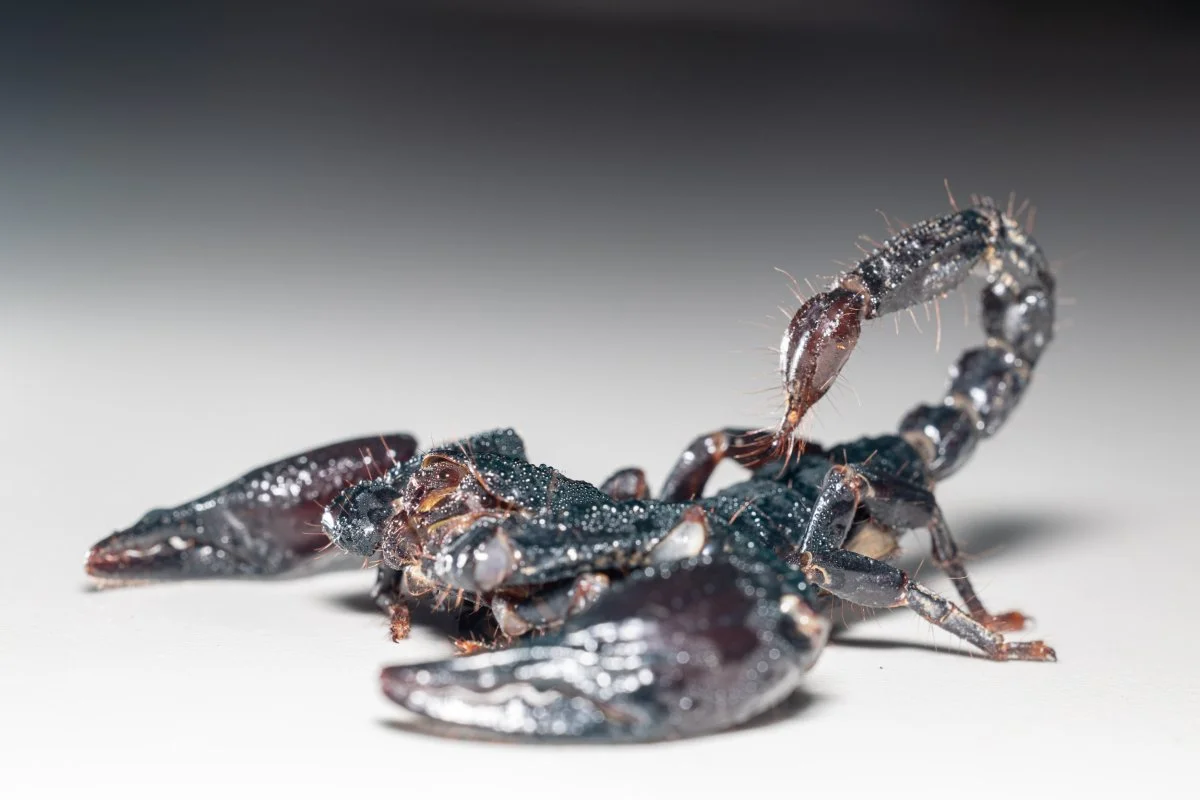
A group of Brazilian scientists has found that venom from an Amazonian scorpion could help fight breast cancer, one of the main causes of death among women worldwide.

The research, led by the University of São Paulo’s School of Pharmaceutical Sciences and presented at FAPESP Week France in June 2025, focuses on a molecule called BamazScplp1 found in the venom of the Brotheas amazonicus scorpion.

In laboratory tests, BamazScplp1 killed breast cancer cells in a way similar to paclitaxel, a common chemotherapy drug.

The molecule works by causing necrosis, which means it destroys the cancer cells quickly and directly.

This effect is important because it could provide a new way to treat breast cancer, especially in cases where current drugs do not work well.

The scientists are now trying to produce BamazScplp1 in larger amounts using yeast cells.

This method, called heterologous expression, allows them to make the molecule in the lab without needing to collect large amounts of venom from wild scorpions.

The yeast strain they use, Pichia pastoris, was first discovered in France in 1950 and is often used to produce proteins for research and medicine.

This project is part of a broader effort at the Center for the Study of Venoms and Venomous Animals at São Paulo State University.
RT
Ask Rio Times
17 years of Latin America reporting, on demand.
Open the full Ask Rio Times →
One-stop reference
Company Intelligence
Every listed company in Latin America — financials, ownership and structure for 1,450+ companies across 26 exchanges, in one place.
Browse the directory →

The center has experience turning animal toxins into useful medicines. For example, it developed a biological glue for surgery using proteins from snake venom, which is now in advanced clinical trials.

Breast cancer is a major health problem, accounting for about 30% of new cancer cases in women in the United States alone.

Amazon Scorpion Venom: A New Player in the Breast Cancer Drug Race

The American Cancer Society estimates that over 42,000 women in the U.S. may die from the disease in 2025.

While treatments have improved, many patients still need better options, especially if their cancer becomes resistant to standard drugs.

The discovery of BamazScplp1 brings new hope for developing more effective and possibly less harmful cancer treatments. The research is still in early stages.

The next steps include producing more of the molecule in the lab, testing it in animals, and eventually running clinical trials in humans to make sure it is safe and works well.

This story also highlights the value of exploring natural compounds from the Amazon.

It shows how biodiversity can lead to important medical advances and reminds us that protecting unique species can have real benefits for human health.

This article was produced by The Rio Times’ automated newsroom system. How we use AI · Report an error

Read More from The Rio Times

The Rio Times · Power Map
See who really holds power in Latin America
Click to open the Power Map

Rotate for Best Experience

This report is optimized for landscape viewing. Rotate your phone for the full experience.