10 Key Military and Defense Developments in Latin America (July 31–August 6, 2025)
This report provides a concise overview of the most significant military and defense developments in Latin America for the week of July 31–August 6, 2025.
Ranked by geopolitical significance, based on potential impacts to global alliances, power balances, escalation risks, and strategic shifts involving major powers.
It highlights major global events—including escalating conflicts, alliance actions, and diplomatic shifts—as well as key regional updates such as multinational exercises, military modernization programs, and evolving security dynamics.
Designed for policymakers, analysts, and readers seeking a clear understanding of current defense trends, this summary delivers timely insights into the rapidly changing landscape of international security.
1. Unverified Reports of Russian Oreshnik Missile Deployment to Venezuela
On August 3, reports emerged alleging Russia’s potential deployment of hypersonic Oreshnik rocket complexes to Venezuela, with possible sites in Cuba also mentioned, as a means to bolster ally sovereignty amid global tensions.
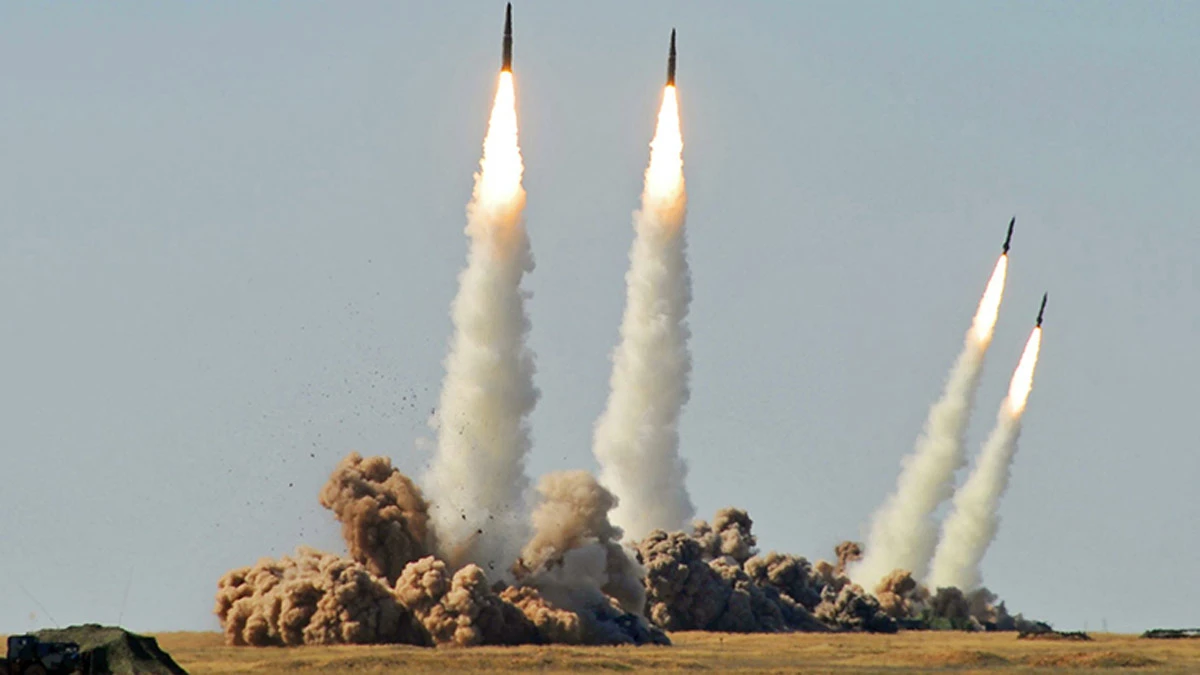
Summary: This tops the list for its unmatched potential in demonstrating hemispheric tensions against U.S. influence.
By introducing advanced Russian weaponry, it strengthens deterrence, escalates regional arms races, and reinforces Russia-led coalitions, impacting global trade routes and Western Hemisphere dynamics.
2. India-Brazil 8th Joint Defense Committee Meeting
Held on August 1 in Brasília, the meeting focused on technology sharing, joint exercises, and defense cooperation to address regional challenges like security threats and diversification of partnerships.
Summary: Ranked highly for its transformative impact on South-South security, this commitment responds to Chinese and Western threats, addresses burden-sharing demands, and risks straining regional economies. It reshapes strategic postures, influencing global defense budgets and alliance cohesion.
3. Ecuador Announces Historic Defense Investments
On August 2, Ecuador revealed major acquisitions including armored vehicles, helicopters, ballistic vests, and advanced weaponry to modernize its forces and restore national security amid internal instability.
Summary: Critical for Ecuador’s self-defense strategy, this enhances deterrence against internal and external threats, bolsters U.S. support, and escalates Andean tensions.
It influences Latin American power balances and global confidence in Ecuador’s resilience.
4. RUSI Analysis on Critical Minerals Influencing U.S.-China Rivalry
Released on August 1, the report highlighted how lithium and copper reserves in Brazil, Argentina, Chile, and Peru create a “minerals trilemma,” forcing regional powers to balance economic gains with security alignments.
Summary: Significant for showcasing Latin America’s resource power amid global rivalries, these analyses signal resilience and hemispheric reach. They heighten tensions with the U.S. and test new tactics, impacting resource security and Western defense planning.
5. Relámpago de los Andes Exercise (Colombia-U.S.)
Ongoing from July 28 to August 9, with key activities in early August involving U.S. F-16s, C-17s, and Colombian aircraft for air superiority, humanitarian aid, and search-and-rescue training across multiple sites.
Summary: Colombia’s rise as a defense partner strengthens its regional influence and challenges Venezuelan and narco dominance in South America.
The exercise’s scale impacts arms markets, regional alliances, and Colombia’s U.S. role.
6. BRACOLPER Naval 2025 Phase II Multinational Fluvial Exercise
Running from July 25 to August 2 in Iquitos, Peru, involving Brazil, Colombia, and Peru with fluvial maneuvers, amphibious assaults, cyber defense drills, and a river parade on July 28.
Summary: This escalates tensions on South America’s fluvial borders, raising risks of miscalculation during narco conflicts. It underscores Brazil-Colombia-Peru alignment, impacting Amazonian security and hemispheric forward posture.
7. PANAMAX Exercise with U.S.-Panamanian EOD Training
Part of the ongoing July 6–August 9 exercise, early August activities included joint underwater demolition, limpet mine response, and CBRN training to secure the Panama Canal.
Summary: Key for countering hybrid threats in Central America, this strengthens U.S.-Panama ties, addresses security shortages, and enhances regional deterrence.
It risks local protests but bolsters freedom of navigation and alliance credibility.
8. USNS Comfort Departs Costa Rica After CP25 Mission
On August 4, the U.S. Navy hospital ship concluded its humanitarian stop, providing medical care to 2,200 patients, surgeries, veterinary services, and infrastructure repairs while conducting training exchanges.
Summary: Vital for Central American soft power modernization, this accelerates unified responses to regional instability, though some absences highlight intra-Latin tensions.
It impacts U.S. autonomy and global arms dynamics.
9. U.S. Air Forces Southern Launches AMISTAD 2025 in Peru
Starting August 1, this global health engagement program focuses on medical missions and capacity-building to strengthen partnerships through humanitarian aid.
Summary: Significant for Andean stability, this upgrade deters regional aggression, supports U.S.-aligned counter-narcotics efforts, and shifts hemispheric power dynamics, diversifying Peru’s security partners.
10. U.S. Military “Amistad 25” Mission in Paraguay
From August 4–16, 54 U.S. personnel will conduct medical training and free healthcare services across specialties to support local hospitals and ease system burdens.
Summary: Important for fostering U.S.-Latin defense ties, this deepens America’s role in the Southern Cone and Paraguay’s strategic autonomy. It influences hemispheric dynamics, counters Chinese influence, and supports global multipolarity.
This article was produced by The Rio Times’ automated newsroom system. How we use AI · Report an error · Editorial responsibility: Matthias Camenzind, Editor-in-Chief
Read More from The Rio Times