Zambia Weighs Cutting Gold VAT to Bring Small-Scale Miners Into the Formal Market
ZAMBIA · MINING
Key Facts
- —What happened Zambia’s Ministry of Mines said it is considering a cut in the 16 percent value added tax on gold.
- —Who said it Permanent secretary Hapenga Kabeta, during a courtesy call by the World Gold Council’s Grant Crosse.
- —The stated purpose To make formal trading easier for artisanal and small-scale miners, not to help exporters.
- —Why exporters are not the point Gold exports are already zero-rated, so an exporter charges no value added tax on foreign sales.
- —The gap in the numbers In 2023 the United Arab Emirates recorded importing more than thirteen times the gold Zambia recorded producing.
- —What is at stake The World Gold Council puts missed royalty revenue at between US$80 million and US$240 million.
A tax change aimed not at exporters, who already pay nothing, but at the miners selling a few grams at a time.
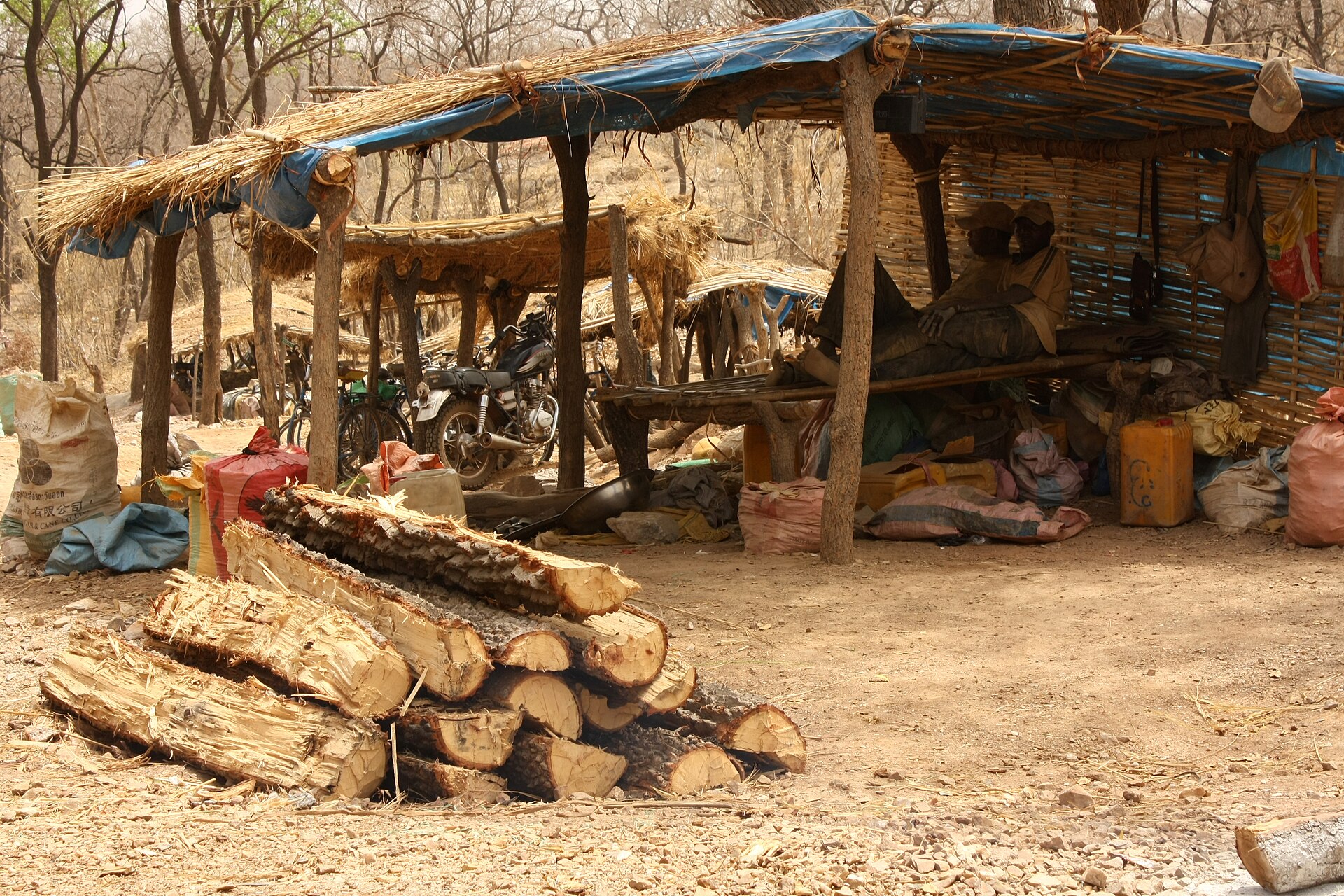
Zambia is considering a reduction in the value added tax charged on gold. Ministry of Mines permanent secretary Hapenga Kabeta said on 17 September 2026 that the aim is to help small-scale miners trade formally.
What Was Said and Where
Hapenga Kabeta, permanent secretary at Zambia’s Ministry of Mines, said the government is considering reducing value added tax on gold. He spoke during a courtesy call by the World Gold Council.
The council was represented by Grant Crosse. No replacement rate was proposed at the meeting.
Zambia’s standard value added tax rate is 16 percent. No replacement rate has been proposed publicly.
Who This Is Actually For
Kabeta said the measure is intended to make formal trading easier for artisanal and small-scale miners. That is a different aim from helping exporters compete.
The distinction matters because gold exports are already zero-rated. A formal exporter charges no value added tax on gold sold abroad, so a rate cut changes nothing for them.
The Number That Explains the Policy
In 2023 the United Arab Emirates recorded importing 29,140 kilogrammes of Zambian gold, worth about US$1.788 billion. Hong Kong recorded a further 2,031 kilogrammes, worth about US$107.6 million.
Zambia’s own Ministry of Mines recorded production of 2,237 kilogrammes in the same category that year. The gap between what left and what was recorded is the reason this policy exists.
What the Gap Costs
Grant Crosse of the World Gold Council put the royalty revenue Zambia is missing at between US$80 million and US$240 million. That range reflects how little is known about the volumes involved.
Royalties are charged on production rather than on profit. Gold that is never recorded as produced generates none.
Why Small Miners Stay Informal
An artisanal miner selling a few grams faces the same registration and tax paperwork as a large operation. The cost of compliance can exceed the value of the sale.
Informal buyers ask for none of it and pay cash. That is the competition any formalisation policy is up against.
Whether a Tax Cut Is Enough
Lowering the rate reduces one barrier. It does not address licensing, transport, assaying or the absence of buyers in mining districts.
Countries that have formalised artisanal gold successfully generally combined a tax change with a licensed buying network. Zambia has not announced one.
Where the Decision Will Be Made
Any change would be weighed in the 2027 budget process, whose framework cabinet approved on the same day. Tax measures are normally announced in the budget speech rather than separately.
That places a decision months away rather than weeks. Nothing changes for miners in the meantime.
What It Means on the Ground
For a small-scale miner, the practical question is whether a licensed buyer becomes reachable and pays competitively. A tax rate they never paid in the first place is not what keeps them informal.
For Zambia’s treasury, the prize is the royalty stream rather than the value added tax itself. That is the revenue the gap represents.
What Is Not Yet Known
No proposed rate has been published, and no timetable has been given. Nor has the government said whether the change would apply to all gold or only to small-scale output.
It is also unclear whether any licensed buying network would accompany it. Without that, a rate cut is a gesture toward a problem rather than an answer to it.
What to Watch
Whether a specific rate appears in the 2027 budget. That is when this becomes a policy rather than a consideration.
Watch also for any announcement on licensed gold buyers in mining districts. That would signal the government has understood why the gap exists.
More: Africa news and analysis, every day from The Rio Times.
Frequently Asked Questions
What is Zambia considering?
A reduction in the 16 percent value added tax charged on gold.
Who said so?
Ministry of Mines permanent secretary Hapenga Kabeta, on 17 September 2026.
Why, if exports are already zero-rated?
The stated aim is to make formal trading easier for artisanal and small-scale miners, not to help exporters.
How big is the recording gap?
In 2023 the United Arab Emirates recorded 29,140 kilogrammes of Zambian gold against recorded production of 2,237 kilogrammes.
What does that cost Zambia?
The World Gold Council estimates between US$80 million and US$240 million in missed royalty revenue.
When would a change take effect?
Any measure would be weighed in the 2027 budget process. No rate or date has been published.
Sources: Zambian Ministry of Mines statements of 17 September 2026, as reported by News Diggers and Ecofin Agency; World Gold Council remarks.
This article was produced by The Rio Times’ automated newsroom system. How we use AI · Report an error
LatAm Markets: Live Signals → — real-time movers, turnover leaders and FX across Latin America.
Read More from The Rio Times