World Cup 2026 Brazil Bars and Restaurants Eye Record $469M Haul
Markets & Finance · Brazil
—The projection. Brazil’s bars and restaurants are forecast to take R$2.42bn (about $469m) during the group stage, a record for a World Cup.
—The source. The estimate comes from the CNC, Brazil’s national confederation of commerce, services and tourism.
—The jump. That would be 15.7 percent above the R$2.09bn (about $405m) taken during the 2022 tournament in Qatar.
—The Copa premium. In World Cup years, June and July food-and-drink revenue runs about 5.4 percent above the same months without a tournament.
—The calendar edge. Brazil’s first-round games fall on a Saturday, a Friday and a Wednesday night, pushing fans out of the house and into venues.
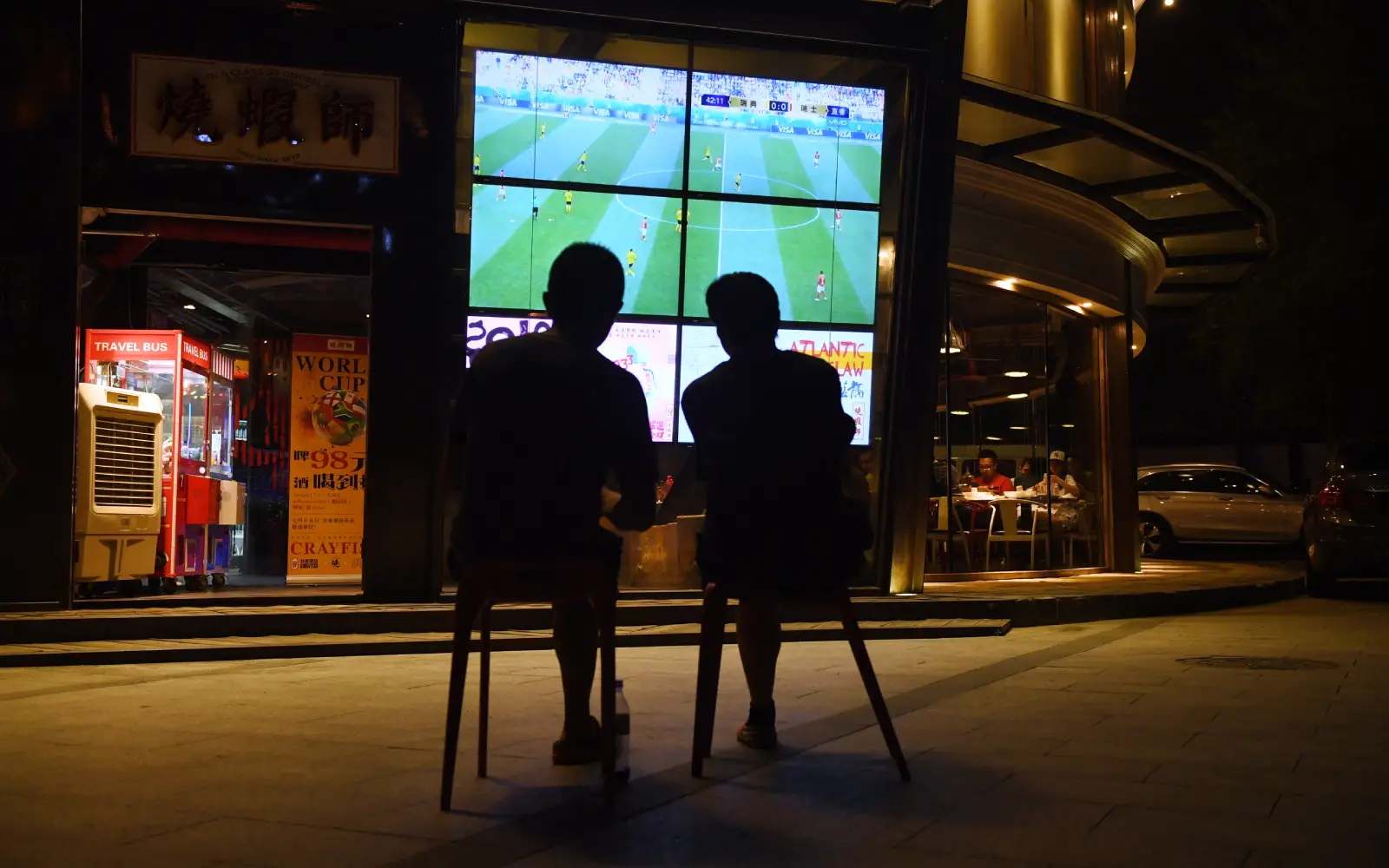
—The local spike. In Rio, a separate study suggests match nights can lift footfall in bars and restaurants by as much as 150 percent.
For all the noise about who lifts the trophy, the clearest winner of the World Cup 2026 Brazil story so far is the cash register: the country’s bars and restaurants are on course for their best tournament ever.
Why World Cup 2026 Brazil spending matters to investors
Brazil is not hosting this tournament, but it is still cashing in. The games are in North America, yet the consumer boost lands squarely at home, in the food-and-drink trade.
The headline forecast is a group-stage take of about two and a half billion reais, worth a little under half a billion dollars. For a single sector over a few weeks, that is a meaningful jolt of demand.
For investors, the read is about consumer health, not football. Brazilians only spend like this when jobs and incomes feel secure, so the number doubles as a confidence gauge.
Industry leaders rank the event alongside the calendar’s biggest commercial moments. The confederation likens the World Cup to Christmas for retailers and Carnival for tourism, a rare window operators can plan around.
A record built on timing
The projected total would beat the last World Cup by more than fifteen percent. Part of that is simple recovery: household incomes and the labour market are in better shape than they were in 2022.
The bigger lever is the clock. Brazil’s opening games kick off on a Saturday, a Friday and a Wednesday evening, all outside working hours and perfect for a night out.
Past tournaments often put Brazil’s matches in the morning or afternoon, when fans watched at work or at home. This time the schedule itself is doing the marketing for bar owners.
The Copa premium, explained
The confederation calls the extra business a Copa premium. In World Cup years the food-and-drink trade earns several percent more across June and July than in ordinary summers.
It works two ways at once. More people go out, and those who do tend to spend more per visit, lifting both footfall and the average ticket.
The effect compounds if the national team does well. Each round Brazil survives tends to pull more customers into venues, turning a sporting run into a consumer one.
The confederation’s chief economist makes the point bluntly. A strong Seleção campaign is an engine for the local economy, with client traffic rising in step as the team advances.
From Rio bars to the national picture
Local data point the same way. In Rio, business groups recall takings jumping by roughly a third in the first week of the 2022 tournament compared with normal trade.
For this edition, one industry survey suggests match nights could swell footfall in Rio venues by up to one and a half times. More than half of establishments plan to screen the games.
For a foreign reader, it is a tidy illustration of how a global event converts into local revenue. The spending never leaves Brazil, even though the football is thousands of miles away.
It also shows how operators have learned to capture the moment. Bars are investing in big screens and themed nights, treating the tournament as a planned commercial season rather than a happy accident.
A forecast, not a guarantee
The figure is still a projection, and mega-event forecasts can run ahead of reality. Host cities in Mexico have already seen early World Cup takings fall short of the bullish pre-tournament pitch.
Brazil’s case is steadier because the spending is domestic and habitual. Watching the Seleção in a bar is a national ritual, not a bet on foreign visitors who may or may not turn up.
The confederation also notes a broader shift in how Brazilians spend. Money is migrating toward leisure and shared experiences, exactly the kind of outlay that bars and restaurants are built to capture and keep.
Frequently Asked Questions
How much will World Cup 2026 Brazil spending add for bars and restaurants?
The national commerce confederation projects about two and a half billion reais, or close to half a billion dollars, during the group stage. That would be a record for the sector.
Why is this World Cup better for Brazilian venues?
Brazil’s first-round games fall on evenings rather than daytime slots, encouraging fans to watch out of the house. Stronger incomes and employment add to the effect.
What is the Copa premium?
It is the extra revenue the food-and-drink trade earns in World Cup years, running several percent above normal June and July sales. It reflects both higher footfall and bigger average spending.
Connected Coverage
How Much the 2026 World Cup Is Really Worth to the Economy
World Cup Mexico Windfall Falls Short of the Host-City Promise
This article was produced by The Rio Times’ automated newsroom system. How we use AI · Report an error · Editorial responsibility: Matthias Camenzind, Editor-in-Chief