Why Petro fights a battle against soft drinks and sugary sodas in Colombia
On August 8, the Colombian Minister of Finance, José Antonio Ocampo, filed the tax reform bill before the Congress of the Republic, to be debated by the Senate and the House of Representatives.
Read also: Check out our coverage on Colombia
Petro’s tax reform would allow it to collect COL$50 billion (US$11.4 billion) per year in the medium term, which would finance more lavish social spending and reduce poverty.
One of the controversial points of the reform project is the so-called healthy taxes, which propose taxing sugary drinks, such as soft drinks and ultra-processed foods.
Critics point out that these taxes would cause a rise in prices that would affect retailers and impact the popular sectors, indicated as those who consume these products the most.

The tax reform project filed by the Executive of Gustavo Petro in the Colombian Congress includes taxes on sugary drinks. This initiative seeks to discourage consumption and add public funds in favor of Colombians.
However, the idea meets excellent resistance.
The National Federation of Merchants (Fenalco) assures that “the tax on beverages (…), among others, would substantially increase the prices of the products with the highest turnover in stores.”
Falco calls for eliminating this initiative from the reform since it maintains that the tax would affect both shopkeepers and customers, especially the lower-income population, and “it would put close to 250,000 neighborhood stores at risk.”
Economist Andrés Forero, representative to the Chamber for the Democratic Center —a right-wing party founded by former president Álvaro Uribe (2002-2010)—, criticized the reform proposal because it would contribute to rising inflation: “Gustavo Petro’s government seems to, instead of looking for mechanisms to curb inflation, it is trying to speed it up.”
“There are three taxes that will raise food prices: so-called healthy taxes and taxes on single-use plastics. According to figures from the Ministry of Finance, these three taxes will increase (. ..) 5.2 percentage points in food prices,” Forero assured in a video broadcast by the Democratic Center on Twitter.
The representative to the Chamber for Valle del Cauca of the Partido de la Unión de la Gente (right), Víctor Salcedo, expressed his concern that healthy taxes could “disincentivize the production of them [sugar-sweetened beverages and ultra-processed foods] and that would create a blow to employment”.
Former Senator Jorge Robledo of the Dignity Party (center-left) called Petro’s tax reform “regressive” in an opinion column.
“It is regressive (…) to increase the consumption tax by COL$3 billion – more than 10% of the COL$25.9 billion to be collected – on sugary drinks, ultra-processed foods, plastics, and fuels in the areas of the border, all goods of unavoidable popular consumption in a country where 30% of families are going hungry,” said Robledo.
About the “regressiveness” with which he describes Robledo to the tax reform, President Gustavo Petro responded on Twitter: “I disagree that if a poor person stops drinking soda and switches to water or milk or something that gives him health, he is poorer, on the contrary, it is richer. I invite you to look at the criterion of regressiveness from the perspective of life.”
TAXES AND PUBLIC HEALTH
The Ministry of Finance and Public Credit, in the statement of reasons for the tax reform, alleges regarding taxes on sugary drinks that “taxes can also generate efficiency gains, mitigating negative externalities”, as occurs with “products that affect public health”.
The reform document states that taxes are helpful “to discourage the consumption of products that are harmful to health, such as tobacco, sugary drinks, and ultra-processed foods.”
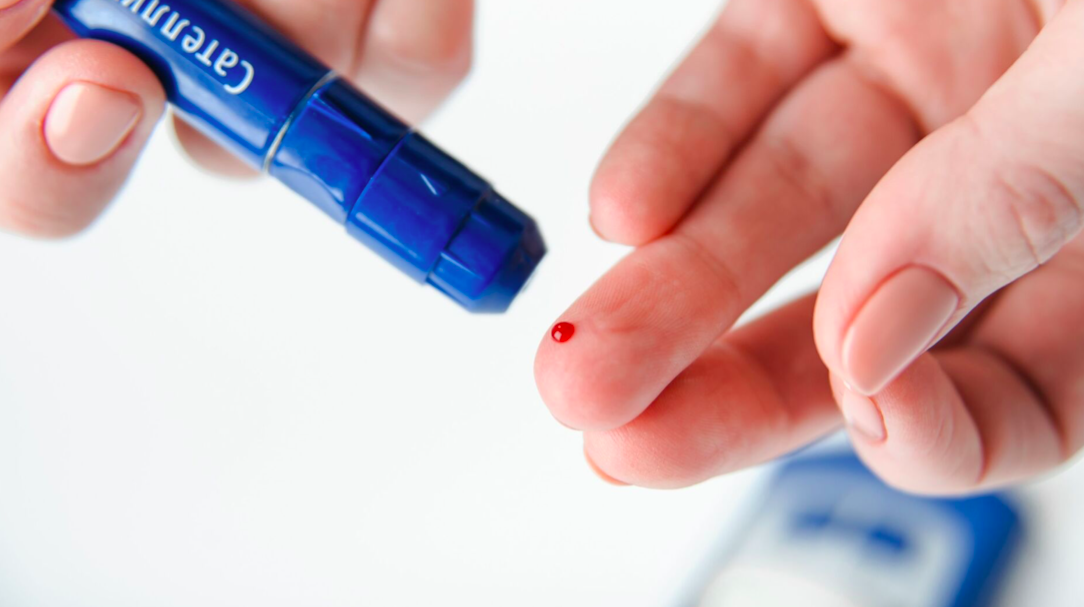
The document points out that sugary drinks are one of the causes of diabetes, cardiovascular diseases, and certain types of cancer, adding that in 2021 “the Colombian health system incurs an annual cost of US$1,772” for each person with diabetes.
According to official figures, there are 1,676,885 people with this disease in the country.
With the tax reform, the Government of Colombia plans to collect COL$25.9 billion in 2023 —about US$5.9 billion—, equivalent to 1.72% of the Gross Domestic Product.
Specifically, taxes on sugary and soft drinks are expected to obtain COL$1.02 billion (US$273 million).
According to the tax reform text, the taxable base of the tax on sugary drinks is the sugar content per 100 milliliters.
“This type of tax (…) is used to reduce the consumption of some goods that result in negative externalities on the health of the population, to reduce the expenses of the health system,” explains the Ministry.
The World Health Organization (WHO) estimates that between 2011 and 2030, global losses due to direct and indirect costs of diabetes will amount to US$1.7 trillion. ”
The evidence shows that a tax that raises the prices of sugary drinks by 20% can reduce their consumption by about 20%, thereby preventing obesity and diabetes.”
TAX ON SUGARY DRINKS, A HISTORY OF FAILURES?
The discussion about the tax on sugary drinks in Colombia has been taking place since 2016.
In March of that year, the then Minister of Health, Alejandro Gaviria Uribe, proposed that the tax reform promoted by the Government of Juan Manuel Santos (2010-2018 ) include a 20% tax on sugary drinks and soft drinks and inject some US$340 million annually into the health system.
According to The New York Times, the Colombian soft drink company Postobón then filed a lawsuit with the Superintendency of Industry and Commerce against an advertising spot in favor of the tax on sugary drinks.
Although the commercial handled scientific data on the incidence of excess sugar on health, the company understood that it presented inaccurate information and suggested: “that all sugary drinks are harmful to health.” The Superintendence ruled in favor of Postobón, and the commercial stopped being broadcast on television.
Gaviria Uribe, current Minister of Education of the Petro government, said that during the parliamentary debate in 2016, there was pressure from the “sugar industry”, with a significant presence of lobbyists in favor of the companies and against the tax.
Former President Iván Duque (2018-2022), then a senator, was part of the debate. In November 2016, he posted a video against the tax on sugary drinks on his Twitter account.
He recognized the problem of obesity in Colombia but attributed it to causes such as a “sedentary lifestyle, high salt intake, low consumption of fruits, vegetables, and high carbohydrate intake.”
Duque said that soft drinks represented “barely 3% of the average calories consumed by a Colombian.”
“What is the government seeking? A tax of COL$300 per liter for a product that already pays VAT, a product that is mainly consumed by the popular classes. And apart from that, a product representing 27 and 30% of shopkeepers’ sales,” he assured.
In 2018, sugary drinks could pay a multi-phase VAT, a tax to be paid at the different production and marketing stages.
However, this tax was only for collection purposes. It did not contribute to reducing consumption since most of the costs were assumed by the companies and had little effect on the final price to the consumer, according to the Center for Legal and Social Studies based in Bogota, Dejusticia.
In 2020, a 20% tax on sugary drinks was sought, but it was not approved. Meanwhile, in 2021 it was proposed that sugary drinks pay a gradual rate of 15 to 25% after three years, but Congress did not support the measure either.
More: Colombia news in English, every day from The Rio Times.
Editorial responsibility: Matthias Camenzind, Editor-in-Chief · Editorial standards · Report an error