Key Points
- The UN Security Council meets in emergency session as the U.S. says it captured Nicolás Maduro and is pressing for a transition.
- Maduro is due in federal court in Manhattan at noon Monday, facing a U.S. narco-terrorism case tied to alleged cocaine trafficking and weapons charges.
- The first market reaction has been muted, suggesting investors expect a political grind, not an immediate energy shock.
The weekend operation that Washington says ended with Nicolás Maduro in U.S. custody now moves to two stages: the United Nations and a federal courtroom.
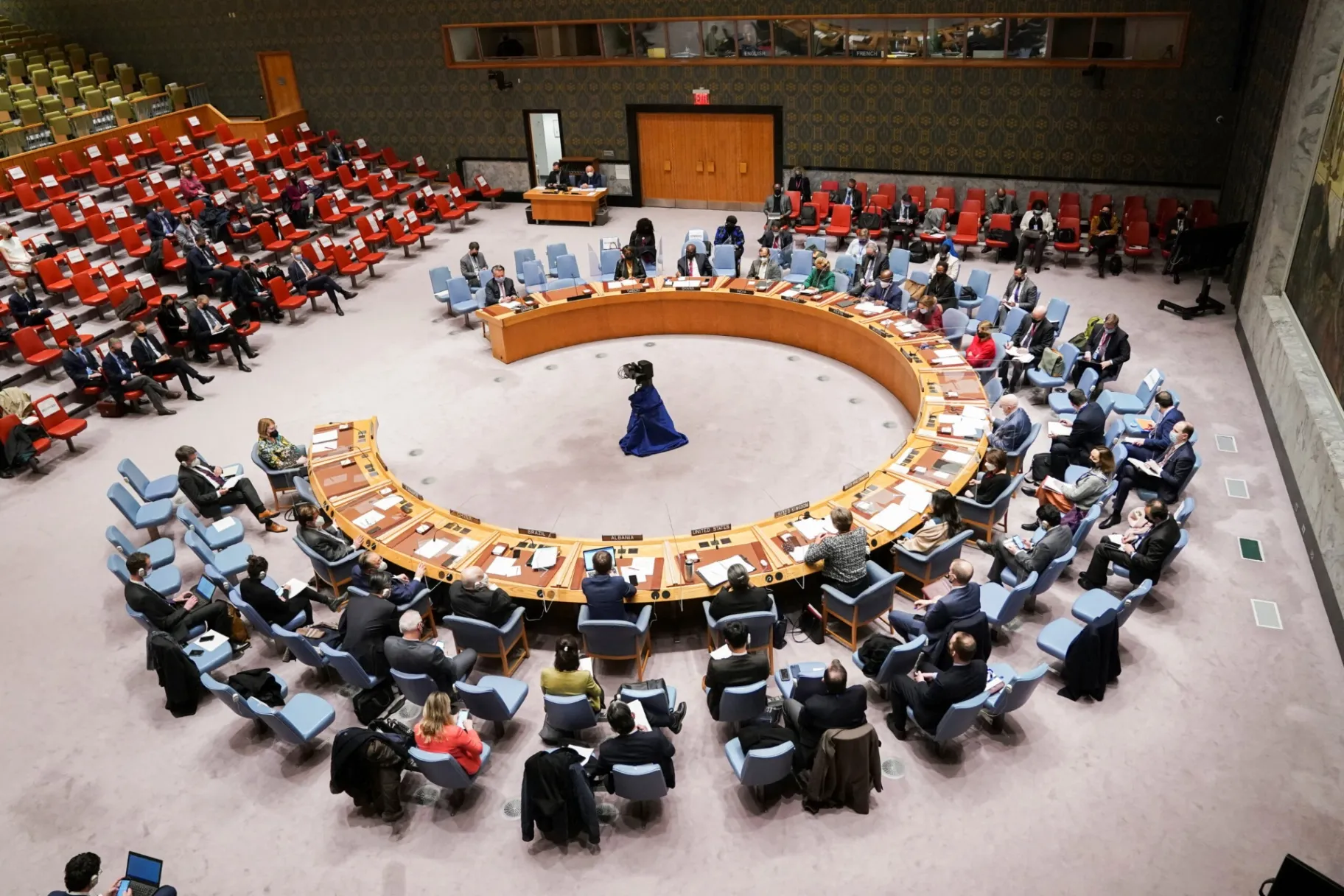
At 10:00 a.m. in New York, the Security Council is set to hold an emergency meeting on Venezuela under the agenda item “threats to international peace and security.”
Diplomats will argue whether the raid was a lawful strike on a criminal enterprise or a breach of sovereignty. At noon, Maduro is expected to appear in the Southern District of New York before U.S. District Judge Alvin K. Hellerstein.
Prosecutors have charged narco-terrorism, cocaine importation conspiracy, and weapons-related counts. U.S. officials say he is being held in a federal maximum-security facility in Brooklyn ahead of the hearing.
Washington has portrayed the raid as unusually large and rehearsed, the product of months of planning and a reinforced U.S. posture in the Caribbean.
“Operation Absolute Resolve” raises Venezuela uncertainty
The reported codename, “Operation Absolute Resolve,” underlines the political intent: to weaken the governing circle, not only detain its figurehead.
Power inside Venezuela is the open question. Vice President Delcy Rodríguez has positioned herself as interim president, backed by institutions still controlled by the ruling bloc.
Trump has publicly warned her to cooperate or face severe consequences, sharpening pressure on a leadership already isolated by sanctions and legitimacy disputes.
International reaction is split. Russia and China have condemned the operation as unlawful. Some Latin American leaders are calling for multilateral engagement, while others see a chance to reset a crisis that drove migration and repression.
Markets, for now, are cautious rather than panicked. Oil slipped and U.S. equities stayed firm. The UN debate and the Manhattan hearing will signal whether that calm is sustainable—or only the first pause before a longer shock.
Related coverage: Brazil’s Morning Call | Venezuela’s Hardest Rebuild May Be Its Debt, Not Its Oil This is part of The Rio Times’ daily coverage of Venezuela affairs and Latin American financial news.
This article was drafted with automated assistance and reviewed before publication. How we use AI · Report an error · Editorial responsibility: Matthias Camenzind, Editor-in-Chief
In depth
Read More from The Rio Times