Venezuela Oil Opening Redraws Ownership as Beijing Watches Its Loans
Venezuela · ENERGY
Key Facts
- —What happened Bloomberg (18 August 2026) and El Español (6 September 2026) reported Venezuela stripped an oil stake from the late Oswaldo.
- —How big The deal covers about 65 billion barrels of Venezuela’s proven oil reserves, the White House says.
- —The catch Washington says the deal runs 100 years; Caracas says 25.
- —Who it hits China’s state oil firms lost fields; Chevron and Colombia’s Grupo Gilinski are expanding instead.
- —What comes next US lawmakers and a Venezuelan legal review both question a Pentagon office’s 35% oil stake.
The Venezuela oil opening is redrawing who holds what. Beijing is watching what it means for its loans.
The Venezuela oil sector is changing hands fast under a deal brokered by the United States. Even one of the country’s oldest business families says it lost ground.
Cisneros Heirs Lose Venezuela Oil Rights
Bloomberg first reported on 18 August 2026 that Venezuela revoked Venezuela oil rights held by the late Oswaldo Cisneros’s family. Officials transferred the rights to Pacific Coast Energy Co, a US company based in California.
Oswaldo Cisneros, who died in 2020, was a cousin of Gustavo Cisneros, who leads the well-known Cisneros Group. That media and beverage conglomerate is not the entity that held the Venezuela oil rights.
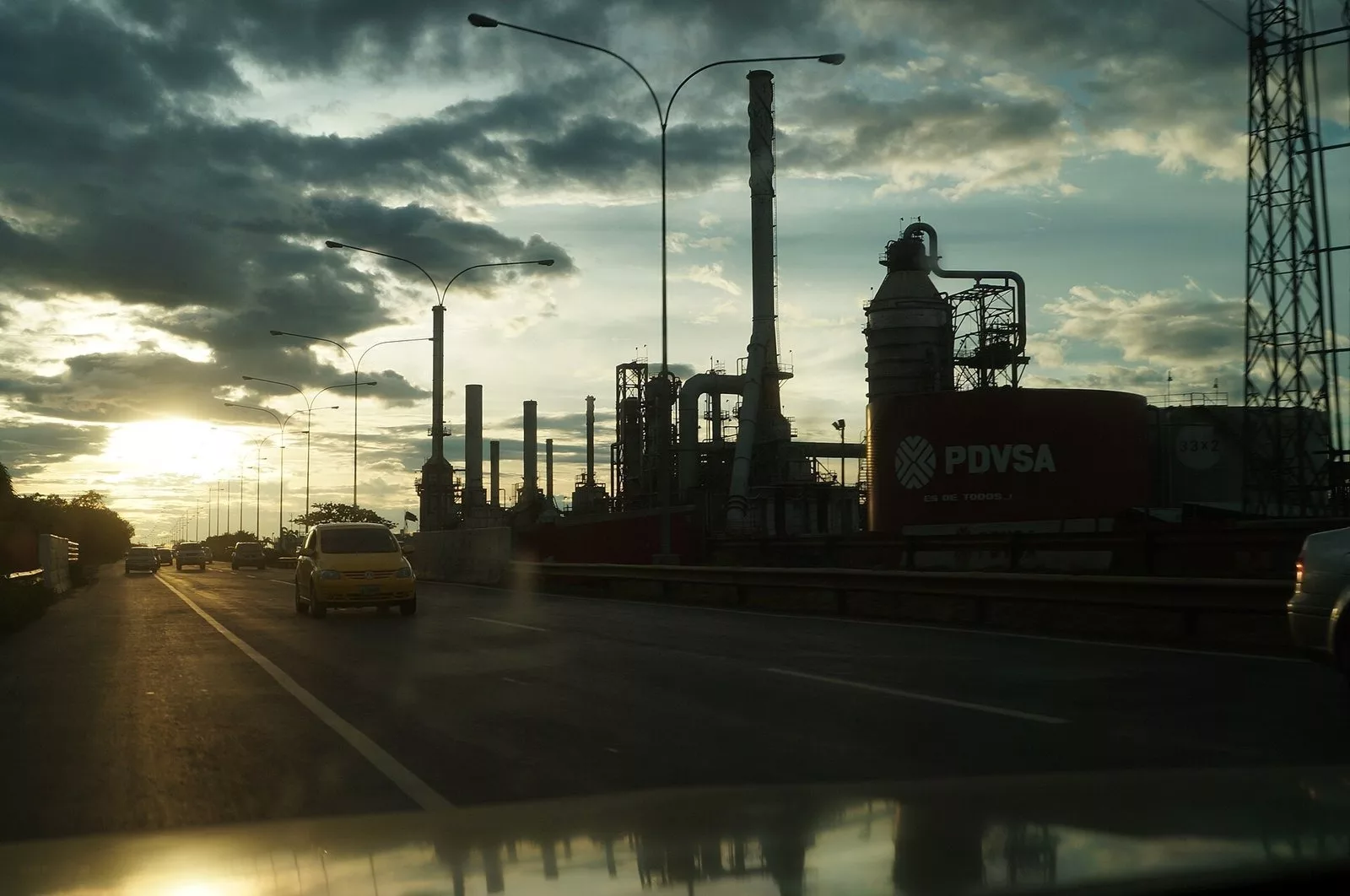
His widow and heirs hold their stake through DP Delta Finance BV, a Dutch holding company. Their stake was 40% of Petrodelta, a joint venture with Venezuela’s state oil company, Petróleos de Venezuela (PDVSA).
El Español, a Spanish outlet, added new detail on 6 September 2026. It named six fields: Tucupita, Bombal, Uracoa, El Isleño, Temblador and El Salto.
El Español said interim President Delcy Rodríguez’s government led the removal, backed by the Trump administration. The family disputes the move and had not commented when El Español published.
El Español’s named source was Silvestre Tovar, director of DP Delta Finance BV, not an anonymous tip. The family is also seeking US$2 billion in compensation, Bloomberg reported on 18 August 2026.
This is not a single-source story: Bloomberg and El Español have both reported it. But Venezuela’s government, PDVSA and US officials have not confirmed or denied the removal.
Colombia’s Grupo Gilinski Signs Deal for Venezuela Oil Field
Colombia’s Grupo Gilinski, led by banker Jaime Gilinski, signed its own Venezuela oil deal on 4 September 2026. Infobae reported the signing took place in Caracas.
Grupo Gilinski will control about 56% of GeoPark, a Latin American oil company, Infobae reported on 5 September 2026. GeoPark will operate Venezuela’s Baré field in the Orinoco Belt for 25 years.
Current output is about 11,000 barrels a day, with potential for up to 95,000, Infobae said. Venezuelan regulators still must approve the deal, within 120 days under its terms.
Chevron and Eni Expand Their Venezuela Role
Chevron announced on 2 September 2026 that it would invest more than US$7 billion over five years in Venezuela. Fox Business and France 24 (AFP) reported the goal is to double output to about 600,000 barrels a day.
Chevron’s joint venture Petroindependencia, where it now holds 49%, gained rights to the Carabobo-1 and Carabobo-2 Sur-A blocks. Both sit in the Orinoco Belt, Fox Business reported on 2 September 2026.
Infobae reported on 2 September 2026 that Venezuela also signed new agreements with Eni, the Italian energy company. US Energy Secretary Chris Wright and interim President Rodríguez led the signing ceremony.
China Watches Its Loans
China has lent Venezuela money for years, largely repaid through oil shipments. Estimates of the outstanding debt vary widely, since Venezuela stopped publishing full figures in 2019, Reuters reported on 23 January 2026.
The bank Societe Generale put the figure near US$10 billion, and JPMorgan estimated US$13 billion to US$15 billion, Reuters said. The research group AidData had put it at US$44 billion back in 2017.
China’s foreign ministry spokesperson, Guo Jiakun, responded on 1 September 2026, the South China Morning Post reported. He said China-Venezuela cooperation is protected by both countries’ laws, and Beijing’s rights must be guaranteed.
The South China Morning Post also called the deal a “direct hit” to China’s position, in a report on 2 September 2026. Fields once run by Chinese firms, including Sinopec, now sit inside the new US-backed structure.
Inside the US-Venezuela Oil Deal
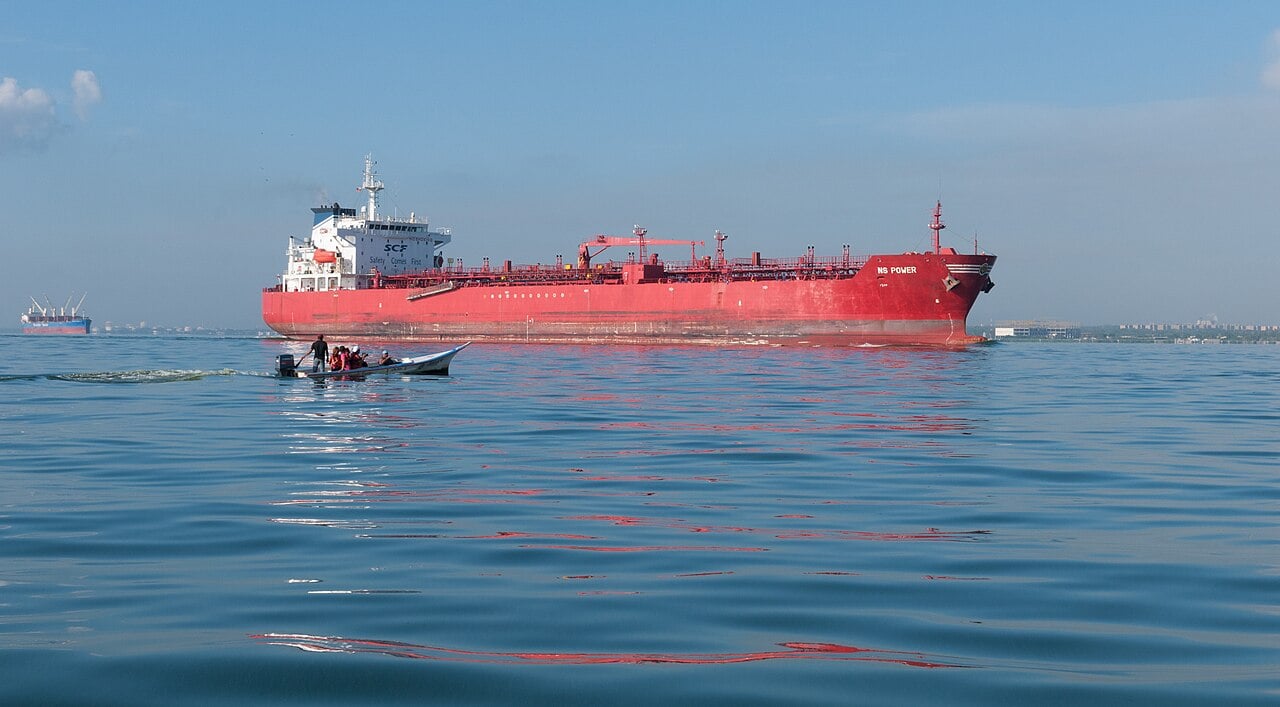
President Trump announced the deal on 28 August 2026, covering about 65 billion barrels of Venezuela‘s proven Venezuela oil reserves. That is roughly a fifth of the country’s total reserves, the world’s largest, CNBC reported.
A new company, North American Blue Energy Partners (NABEP), will operate 17 fields. It is controlled by Venezuelan businessman Alejandro Betancourt, the White House said on 1 September 2026.
The Pentagon’s Office of Strategic Capital will hold 35% of NABEP’s parent company, Semafor reported on 2 September 2026. The State Department can also buy a fifth of NABEP’s output at cost.
How long the deal runs is disputed: the White House says 100 years, but Rodríguez says 25 years. No contract has been made public, the Latin Times reported on 2 September 2026.
Rodríguez has separately projected Venezuela would earn about US$209 billion in taxes and royalties over the deal’s life. Trump has called it the largest oil agreement in US history.
US lawyers and energy experts are still puzzled by the deal, Reuters reported on 31 August 2026. They question whether direct US government control fits Venezuelan law.
In the US, the Pentagon office had previously said it does not normally take equity stakes, Semafor reported. A US senator has asked the Pentagon for its legal basis in writing.
In Venezuela, the outlet El Pitazo reported on 5 September 2026 that a legal analysis raised a similar doubt. It said the Pentagon office “does not have clear permission in law” to hold the NABEP stake.
Who Holds Power in Venezuela
Nicolás Maduro was removed from power in January 2026, CNN reported on 3 January 2026. Delcy Rodríguez, formerly his vice president, was sworn in as interim president days later.
She is Venezuela’s interim president, not vice president, when she signs today’s Venezuela oil deals with Washington, Chevron and Eni.
What This Means for Venezuela’s Venezuela oil Sector
Venezuela holds the world’s largest proven Venezuela oil reserves, but years of US sanctions cut output sharply. The new US-backed deals aim to revive output fast, alongside new legal fights.
The Cisneros case shows even powerful families are not shielded from Venezuela’s new order. China’s reaction will matter too, since Beijing still holds a real stake in the outcome.
More: Venezuela news in English, every day from The Rio Times.
Frequently Asked Questions
Who are the Cisneros family?
The Cisneros family is one of Venezuela’s oldest and most powerful business dynasties. They have interests in media, beverages, and real estate.
What is PDVSA?
PDVSA is Venezuela’s state-owned oil company. It controls the country’s vast oil reserves and partners with foreign firms.
Why does the U.S. have a say in Venezuelan oil?
U.S. sanctions mean companies need Washington’s licenses to operate in Venezuela. The new deal gives the U.S. government a direct stake.
Is the Cisneros removal confirmed?
No. Only El Español reported it, and no party has confirmed or denied it. Treat it as unverified.
Connected Coverage
- Our report on Chevron’s new Caracas deals
- The GeoPark deal for the Baré field
Sources: El Español; Bloomberg; France 24; Reuters; BBC Mundo; El País; Yahoo Finance; South China Morning Post; Euronews; Infobae.
This article was produced by The Rio Times’ automated newsroom system. How we use AI · Report an error · Editorial responsibility: Matthias Camenzind, Editor-in-Chief