GeoPark Venezuela Deal Signed for the Bare Oilfield
VENEZUELA · ENERGY
Key Facts
- —What happened Grupo Gilinski and GeoPark signed a deal with Venezuela’s PDVSA to redevelop the Bare oilfield on Friday.
- —How long it runs It is a 25-year production participation contract, with GeoPark as the field operator.
- —How big the field is Bare holds about 15.7 billion barrels of oil in place and has roughly 1,100 existing wells.
- —The real story The transaction was paid in GeoPark shares, not cash, so no upfront money left Colombia.
- —The catch No OFAC licence is on the public record, so the US sanctions position remains the open question.
- —What comes next Bare produces about 11,000 barrels a day and the plan targets a peak far above that.
A Colombian group and a Latin American oil company have signed a quarter-century contract in Caracas. The money changing hands is in shares rather than cash.
A contract that had been reported for a week is now signed. The GeoPark Venezuela deal was formalised on Friday 4 September 2026 in a ceremony broadcast on state television.
The parties are Colombia’s Grupo Gilinski, the oil company GeoPark, and Venezuela’s state producer PDVSA. Reuters reported the signing.
The instrument is a 25-year production participation contract. GeoPark’s own statement, issued a day earlier, described that structure.
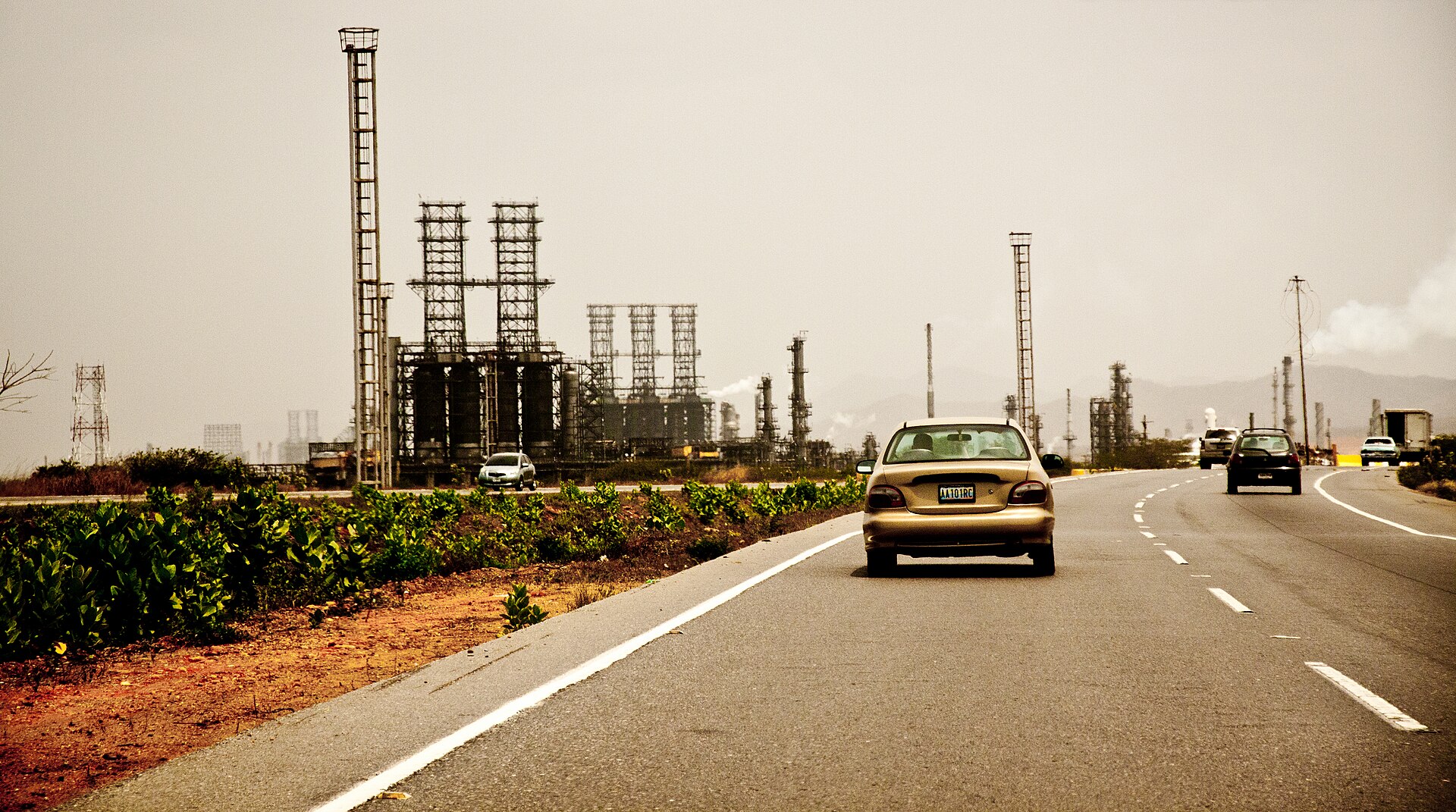
The asset is the Bare field. It sits in Venezuela’s heavy oil belt in the east of the country.
What the GeoPark Venezuela Deal Actually Buys
Bare is a brownfield, which means it has been produced before and is being revived. GeoPark puts the oil in place at about 15.7 billion barrels.
There are roughly 1,100 existing wells on it. That is infrastructure that does not have to be built from scratch.
Current output is about 11,000 barrels of oil a day gross. That is a small fraction of what the field once delivered.
The redevelopment plan targets a peak of 85,000 to 95,000 barrels a day gross. On GeoPark’s share that would mean a plateau of 55,000 to 62,000 barrels.
Those production ranges come from market summaries of the deal rather than from the press release itself. They should be read as targets, not commitments.
How It Was Paid For
This is the part most often reported wrongly. Almost no cash moved.
GeoPark first took a 5 percent interest in the holding company for the contract. It then acquired the remaining 95 percent.
The payment for that 95 percent was 42.1 million GeoPark shares. They were issued to a Grupo Gilinski entity.
The shares were priced at US$12.22 each. That is a 26 percent premium to GeoPark’s thirty-day volume-weighted average price of US$9.67.
At that price the stake is worth about US$160 million. The point is that Gilinski received equity in GeoPark rather than handing over money.
What Gilinski Said
Jaime Gilinski framed the signing in unusually broad terms. This agreement, he said, is not simply a commercial transaction.
He called it a declaration of shared faith in Venezuela‘s future, in its people and in the potential of its natural resources. That is political language for an oil contract.
On the commercial side he was more conventional. GeoPark, he said, has the technical experience to raise the recovery factor at Bare responsibly.
He added that it has the financial strength to assume the full capital investment required. That is the reason a Colombian group needed an operator at all.
The Sanctions Question Nobody Has Answered
This remains the open item, and it has been open since late August. There is no confirmed licence from the US Office of Foreign Assets Control on the public record.
OFAC administers American sanctions and issues the licences that permit otherwise prohibited dealings. Venezuelan oil has been under those restrictions for years.
Rio Times reported the absence of a licence on 29 August, and Friday’s coverage adds nothing on that point. It should not be assumed to have been resolved quietly.
The broader American opening to Venezuela this year makes a licence plausible. Plausible is not the same as documented.
How the GeoPark Venezuela Deal Fits the Week
The Gilinski group took operating control of GeoPark earlier in the week. That transaction and this contract are two steps of the same move.
GeoPark has said it expects Venezuela and Argentina’s Vaca Muerta shale to nearly triple its output. That is a large claim resting on two politically exposed countries.
The GeoPark Venezuela contract is the bigger half of that plan. Vaca Muerta is the safer half.
Venezuela’s oil sector has had an extraordinary few weeks. American companies have signed, the state grid is being rebuilt under a US-backed plan, and debt restructuring talks are running.
For investors the GeoPark Venezuela deal is the clearest test yet of whether these arrangements survive contact with sanctions law. The answer will come from Washington, not Caracas.
More: Venezuela news in English, every day from The Rio Times.
Frequently Asked Questions
What was signed?
A 25-year production participation contract between Grupo Gilinski, GeoPark and Venezuela’s state oil company PDVSA to redevelop the Bare heavy oil field, signed on 4 September 2026.
How big is the Bare field?
GeoPark puts the oil in place at about 15.7 billion barrels with roughly 1,100 existing wells. Current production is about 11,000 barrels a day gross.
How much did it cost?
Almost no cash changed hands. GeoPark issued 42.1 million shares at US$12.22 each to a Grupo Gilinski entity, a 26 percent premium to its thirty-day average price of US$9.67.
Is there a US sanctions licence?
None is on the public record. No confirmed licence from the Office of Foreign Assets Control has been reported, and Friday’s coverage did not address it.
What is the production target?
Market summaries of the deal put the redevelopment target at a peak of 85,000 to 95,000 barrels a day gross, implying 55,000 to 62,000 barrels net to GeoPark.
Sources: Reuters, GeoPark corporate press release, Infobae, Bitget markets brief, Rio Times.
This article was produced by The Rio Times’ automated newsroom system. How we use AI · Report an error · Editorial responsibility: Matthias Camenzind, Editor-in-Chief
In depth