Venezuela Power Grid: Washington Sets a One-Year Repair Goal
VENEZUELA · ENERGY
Key Facts
- —What happened US Energy Secretary Chris Wright said in Caracas that a GE Vernova deal can steady the grid within a year.
- —How big the gap is Venezuela has about 36,000 megawatts of installed capacity but only around 13,000 megawatts actually available.
- —The real story Repairing existing turbines is far cheaper and faster than building new plants, which is why the timeline sounds short.
- —The catch No official on either side has said who pays for the work, and suppliers say they still do not know.
- —Who it affects Households in Valencia and Maracay lose power five to seven hours a day, and factories lose it weekly.
- —What comes next Forecasters expect a strong El Nino from October, which would cut the hydropower Venezuela leans on most.
This story is part of our coverage of the Venezuela US tensions. Who runs Venezuela, the US sanctions and oil deals, the Maduro case and the odds are in our dossier.
The United States has put a date on fixing Venezuela’s electricity system. The engineers who would do the work still do not know how they get paid.
The United States has put a public deadline on repairing the Venezuela power grid. Energy Secretary Chris Wright said the job can be done in six to twelve months.
Wright spoke to reporters in Caracas late on Wednesday, September 3, before flying back to Washington. Reuters reported his remarks the same day.
His words were specific. The plan, he said, is to focus “in six to 12 months” on repairing what already exists.
He listed the goals in order. They were “getting existing assets on the ground back in working order,” then “stabilize the grid, expand the hours of service.”
That is a promise about repair, not about new construction. The difference matters, and it explains why the timeline sounds shorter than you might expect.
What Was Actually Signed, and When
Two separate agreements are easy to confuse. Keep them apart.
The first came on June 15, 2026. Acting president Delcy Rodriguez signed a cooperation agreement with GE Vernova and Corpoelec, the state power utility.
UPI reported the targets attached to it. They were 1,000 megawatts restored within 24 months, and more than 5,000 megawatts within four to five years.
GE Vernova had spent about six weeks auditing Corpoelec’s plants before that signature. The company is the power business spun out of General Electric in 2024.
The second agreement came on September 2, 2026, and it was firmer. Efecto Cocuyo reported that GE Vernova signed with both PDVSA, the state oil company, and Corpoelec.
Wright’s twelve-month remark followed a day later. He called the moment “a historic day in the transformation of Venezuela.”
How Bad the Venezuela Power Grid Actually Is
The headline numbers are stark. Reuters reported in May 2026 that Venezuela has roughly 36,000 megawatts of installed capacity.
Only about 13,000 megawatts of that is genuinely available. That is under 40 percent of what the country owns on paper.
Demand, meanwhile, has been climbing. Venezuela’s public works vice-presidency put peak demand at 15,579 megawatts, a nine-year high.
So supply sits below demand even before anything breaks. That gap is the whole story.
The country also depends on water to an unusual degree. Americas Quarterly reported in August that hydropower supplies about 90 percent of Venezuelan electricity.
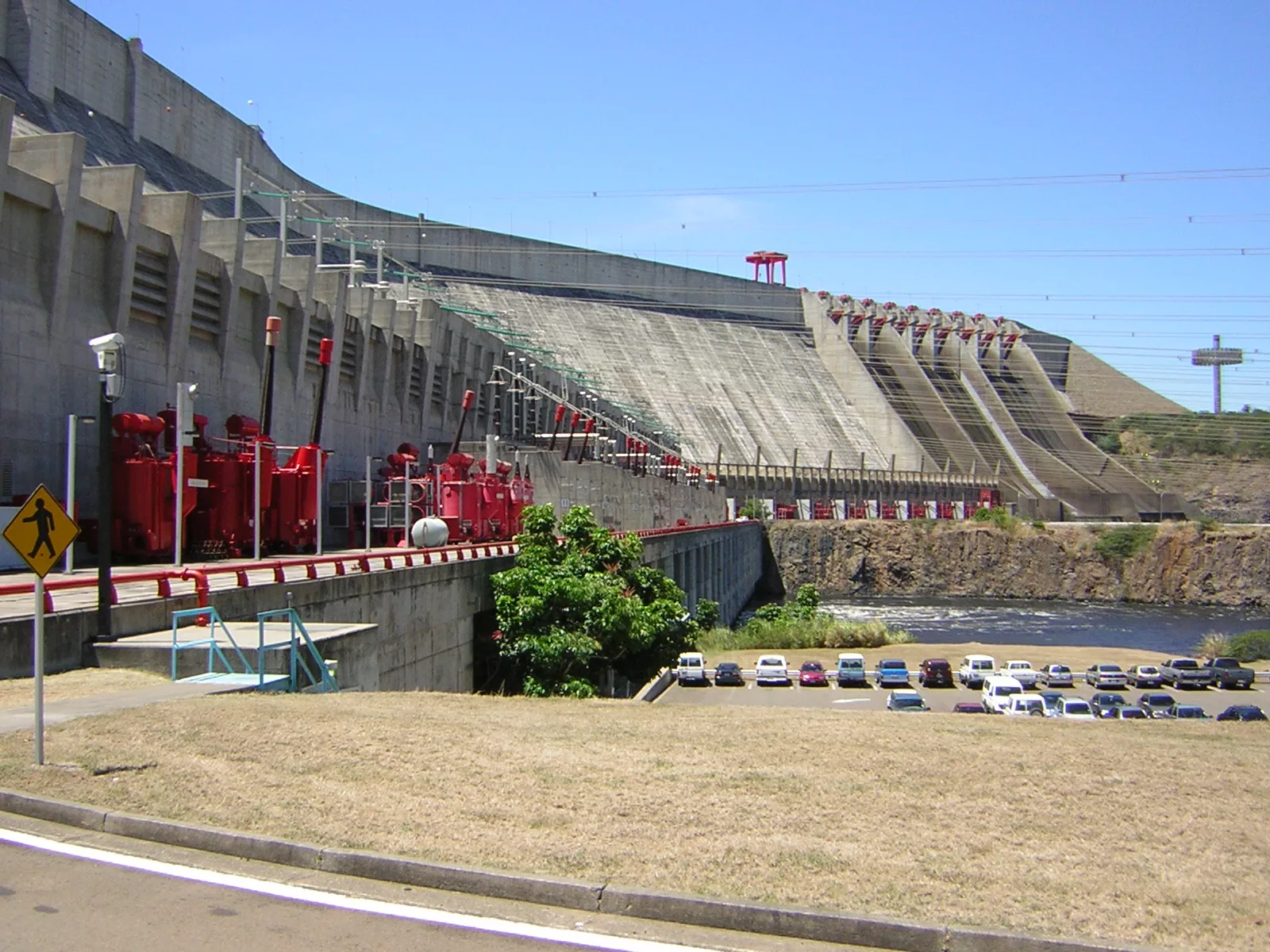
Wright said the Guri dam is running at roughly half its design capacity. Guri, formally the Simon Bolivar plant, is the single largest generator in the system.
What the Blackouts Look Like on the Ground
Averages hide the daily experience. In Valencia and Maracay, two industrial cities, households lose power for five to seven hours a day.
Businesses report a different measure of the same problem. Firms averaged 57 unplanned outages a week in the second quarter of 2026.
Across 2025 the average blackout ran four hours and thirteen minutes, according to the monitoring group Guacamaya. That is a long time for a freezer or a clinic.
There is no reliable national figure for how many hours a typical household gets. Regional snapshots are all anyone can honestly cite.
The Question Nobody Has Answered: Who Pays
This is the weak point in the whole announcement. No official has said who pays for the Venezuela power grid work.
Reuters reported in May that equipment makers left Caracas without an answer. One supplier executive said flatly that they still had no idea how they would be paid.
Some suppliers floated an unusual solution. They suggested being paid directly out of US Treasury accounts holding Venezuelan oil revenue.
That idea has not been confirmed as policy by anyone. It shows how far the financing conversation still is from settled.
Washington has been linked to a reconstruction plan of around US$100 billion for Venezuela. The electricity component of that has never been broken out publicly.
What Experts Said Before the Announcement
Miguel Lara Guarenas is the most quoted independent voice here. He is an electrical engineer and former head of OPSIS, the national grid operator.
Lara has estimated that a stabilisation plan would cost about US$15 billion over three years. He called the task “a very complex problem, a jigsaw puzzle.”
He also warned against treating this as a paperwork exercise. Recovery, he said, needs people who know how to bring megawatts back and keep them running.
Those remarks predate Wright’s statement. No named analyst has publicly challenged the six-to-twelve-month figure itself, and it would be wrong to suggest otherwise.
Two Things Working Against the Timeline
The first is the global market for turbines. Americas Quarterly reported that order backlogs for gas turbines now run as long as five years.
Repairing an installed machine avoids that queue. Replacing one does not, and some Venezuelan units are past repair.
The second is the weather. Forecasters put the chance of a strong El Nino between October and December 2026 at around 90 percent.
El Nino tends to cut rainfall in the Guri catchment. A dry final quarter would squeeze hydropower during the exact window Wright named.
Why This Matters Beyond Venezuela
The Venezuela power grid is the constraint on almost everything else. Oil production, water pumping, hospitals and food refrigeration all sit downstream of it.
For the wider region, the grid is also a test of the new US posture. Washington has moved from sanctions to project management in less than a year.
GE Vernova already has about 11 gigawatts of installed equipment in Venezuela. That existing footprint is the practical reason it was the company at the table.
If the twelve months pass without visible improvement, the credibility cost lands on Washington as much as on Caracas. That is the real deadline being set.
More: Venezuela news in English, every day from The Rio Times.
Frequently Asked Questions
What did the US energy secretary actually say about Venezuela’s grid?
Chris Wright said in Caracas on September 3, 2026 that the plan is to stabilise the grid and expand hours of service within six to twelve months, by repairing existing equipment.
Who is GE Vernova?
It is the power and energy business spun out of General Electric in 2024. It already has roughly 11 gigawatts of installed equipment in Venezuela, which is why it was chosen.
How much electricity can Venezuela actually produce?
Installed capacity is about 36,000 megawatts, but only around 13,000 megawatts is genuinely available. Peak demand has been measured at 15,579 megawatts.
Who is paying for the repairs?
That has not been made public by either government or by the companies. Suppliers told Reuters in May 2026 that they still did not know how they would be paid.
What could derail the twelve-month timeline?
Two things stand out. Global gas turbine backlogs run up to five years, and forecasters expect a strong El Nino from October that would cut hydropower output.
Sources: Reuters, Bloomberg, UPI, Infobae, El Nacional, Efecto Cocuyo, La Patilla, Americas Quarterly, Guacamaya, Rio Times.
This article was produced by The Rio Times’ automated newsroom system. How we use AI · Report an error · Editorial responsibility: Matthias Camenzind, Editor-in-Chief
Venezuela and the United States
- What Is Going On Between Venezuela and the United States?
- What Is Going On Between Venezuela and the United States?
- Venezuela Geopolitics Explained, US Now Runs Its Oil
- Venezuela Politics 2026, Who Holds Power After Maduro