A Free São Paulo Show, Amazônia Descobertas, Reveals the Amazon’s Tiniest Life
Culture
Key Facts
—The show. Amazônia: Descobertas runs at the USP Zoology Museum in São Paulo’s Ipiranga district.
—The cost. Entry is free, Tuesday to Sunday from ten in the morning to five in the evening.
—The run. It opened on 3 June 2026 and stays open until the end of May 2027.
—The twist. Instead of the vast rainforest, it spotlights the small creatures, from beetles to butterflies.
—The access. Displays are set low, with tactile and Braille features for children and visitors with disabilities.
A free São Paulo exhibition called Amazônia Descobertas tells the story of the world’s largest rainforest through its smallest inhabitants.
The show sits at the Museu de Zoologia, the zoology museum of the University of São Paulo. It opened in June and runs for almost a year, in the city’s Ipiranga district.
Its starting point is a simple flip. Rather than dwell on the Amazon’s sheer scale, it invites visitors to grasp that grandeur through its tiniest creatures.
What Amazônia Descobertas puts on show
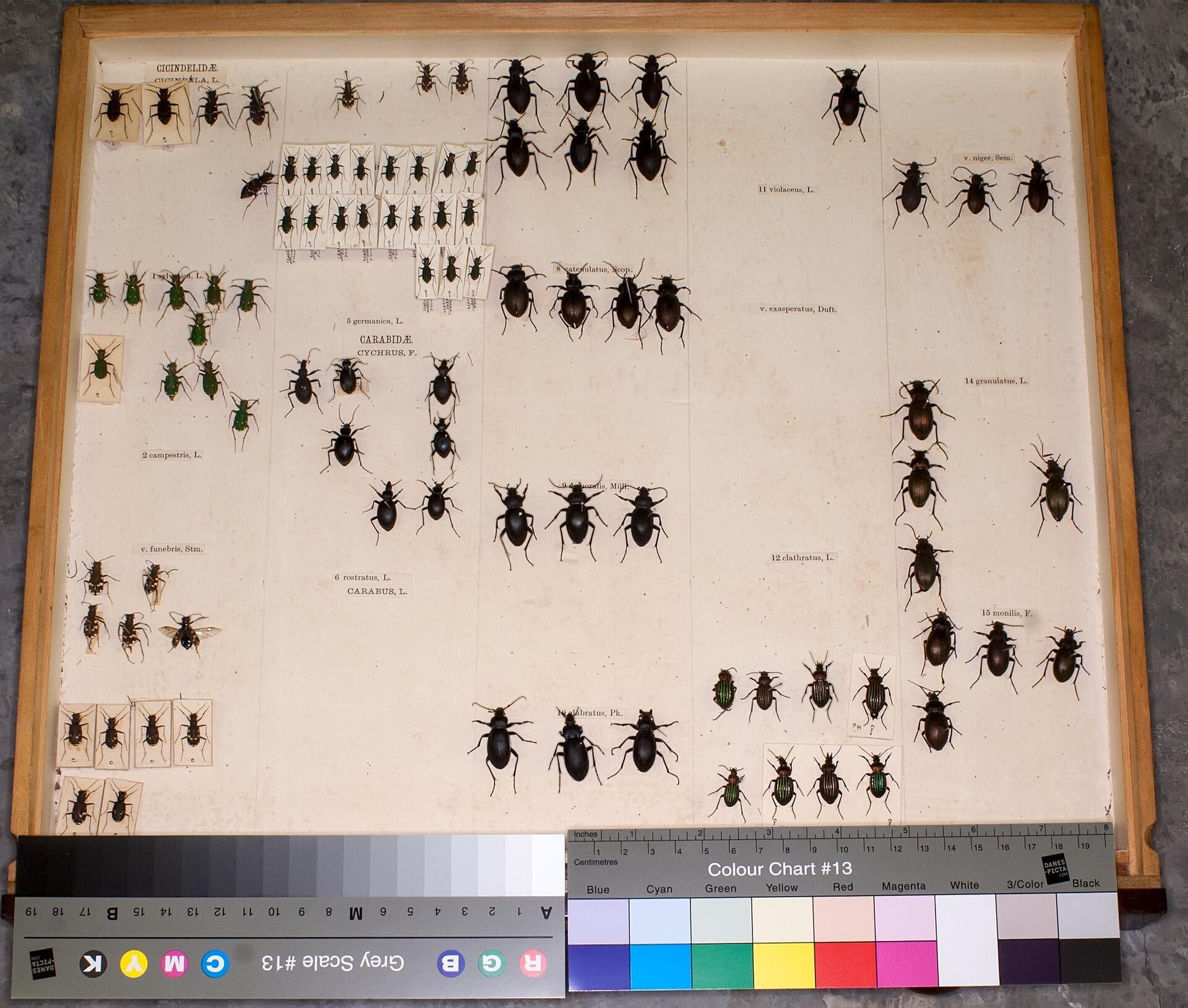
The protagonists are small but mighty. Beetles, insects, shrimp, butterflies, amphibians, mammals and birds take the lead, reframed as the real giants of the forest.
The numbers make the point. Colombia holds the world’s richest bird life with 1,917 species, followed by Peru (1,892) and Brazil (1,864); Brazil has approximately 1,869 confirmed bird species.
Even the smallest players carry weight. Insects barely three centimetres long are presented as Amazonian giants, shaping food chains and human health alike.
The idea has a topical spark. The museum’s director says the theme grew from the attention around COP30, the United Nations climate summit held in the Amazon state of Pará.
Why Amazônia Descobertas is worth a family trip
Accessibility is a real strength. Exhibits sit at a lower height for wheelchair users and small children, with tactile activities and Braille panels throughout.
One hands-on station stands out. Visitors can reach through a hole to touch a model and feel the texture of an animal’s skin without seeing which creature it is.
For a foreign resident, the appeal is practical. It is free, family-friendly and open six days a week, an easy outing during the winter school holidays.
The setting adds to the draw. The museum sits near the Ipiranga park and the grand Museu do Ipiranga, so a visit folds neatly into a wider day out.
There is a serious point underneath. The director frames the show as a museum’s answer to misinformation, a trusted space to understand a region often clouded by rumour.
The insects earn their billing. Among them are the flies and mosquitoes that pollinate, prey and parasite, a group with real medical and economic weight across the tropics.
The Amazon’s own scale still frames it all. The biome covers 6.7 million square kilometres, approximately 40% of Brazil’s total area, and holds the world’s largest river by volume.
The host museum is a heavyweight in its field. The USP zoology collection is among the largest in Latin America, with millions of preserved specimens behind the scenes.
That gives the show unusual authority. The creatures on display are drawn from a working scientific archive, not a themed attraction built for entertainment alone.
Timing helps as well. The long run means there is no rush to catch it, but the winter break makes it an easy, low-cost fixture for a cold July afternoon.
The interactivity keeps younger visitors engaged. The show invites the public to take part in the discoveries and leave their own impressions, rather than simply reading labels.
Taken together, it is a small show with a big idea. By shrinking the Amazon to the scale of a beetle, it makes one of the planet’s great ecosystems feel newly graspable.
When and where is Amazônia Descobertas?
It runs at the USP Zoology Museum on Avenida Nazaré in São Paulo’s Ipiranga district. The show opened on 3 June 2026 and continues until the end of May 2027, open Tuesday to Sunday from ten to five, with free entry.
What is the exhibition’s main idea?
It flips the usual Amazon story by focusing on small creatures rather than the vast landscape. Beetles, insects, birds and amphibians become the stars, cast as the true giants that keep the rainforest’s ecosystems working.
Is it suitable for children and visitors with disabilities?
It is well suited to both, having been designed with accessibility in mind, from displays set at a lower height to tactile stations and Braille panels. That makes it a strong option for families with young children and for visitors with disabilities.
More: Brazil news in English, every day from The Rio Times.
Frequently Asked Questions
When and where can I visit Amazônia: Descobertas?
Amazônia: Descobertas runs at the USP Zoology Museum in São Paulo's Ipiranga district from 3 June 2026 until the end of May 2027. It is open Tuesday to Sunday from ten in the morning to five in the evening.
How much does it cost to enter the exhibition?
Entry to Amazônia: Descobertas is completely free of charge.
What is the main focus of the Amazônia: Descobertas exhibition?
Rather than highlighting the Amazon's vast scale, the exhibition spotlights its smallest creatures, including beetles, insects, shrimp, butterflies, amphibians, mammals, and birds. These small inhabitants are reframed as the real giants of the forest, with displays also featuring tactile and Braille elements for children and visitors with disabilities.
Connected Coverage
São Paulo’s MASP Dedicates 2026 to Latin American Art
This article was produced by The Rio Times’ automated newsroom system. How we use AI · Report an error · Editorial responsibility: Matthias Camenzind, Editor-in-Chief
Living in or visiting São Paulo? See this month's events and our São Paulo city guide with rents, safety and upcoming concerts.