Uruguay Sees Net Venezuelan Outflow in 2025 as Cuban Arrivals Rise
Key Points
- Uruguay recorded a net Venezuelan outflow in 2025, a first since the exodus began.
- Cuba became a bigger driver of net inflows, as U.S.-bound routes looked riskier and less certain.
- The shift matters because small changes in flows quickly hit rents, schools, and labor markets.
For years, Uruguay was a quiet exception in the region’s migration churn. Venezuelans kept arriving in greater numbers than they left. In 2025, that pattern flipped.
Official migration data reported by local media show more Venezuelans departed Uruguay than entered, a symbolic break with a decade-long trend. The reversal happened inside a country built on constant cross-border movement.
Uruguay’s Interior Ministry counted 11,851,510 total border movements in 2025, split between 5,936,443 entries and 5,915,067 exits.
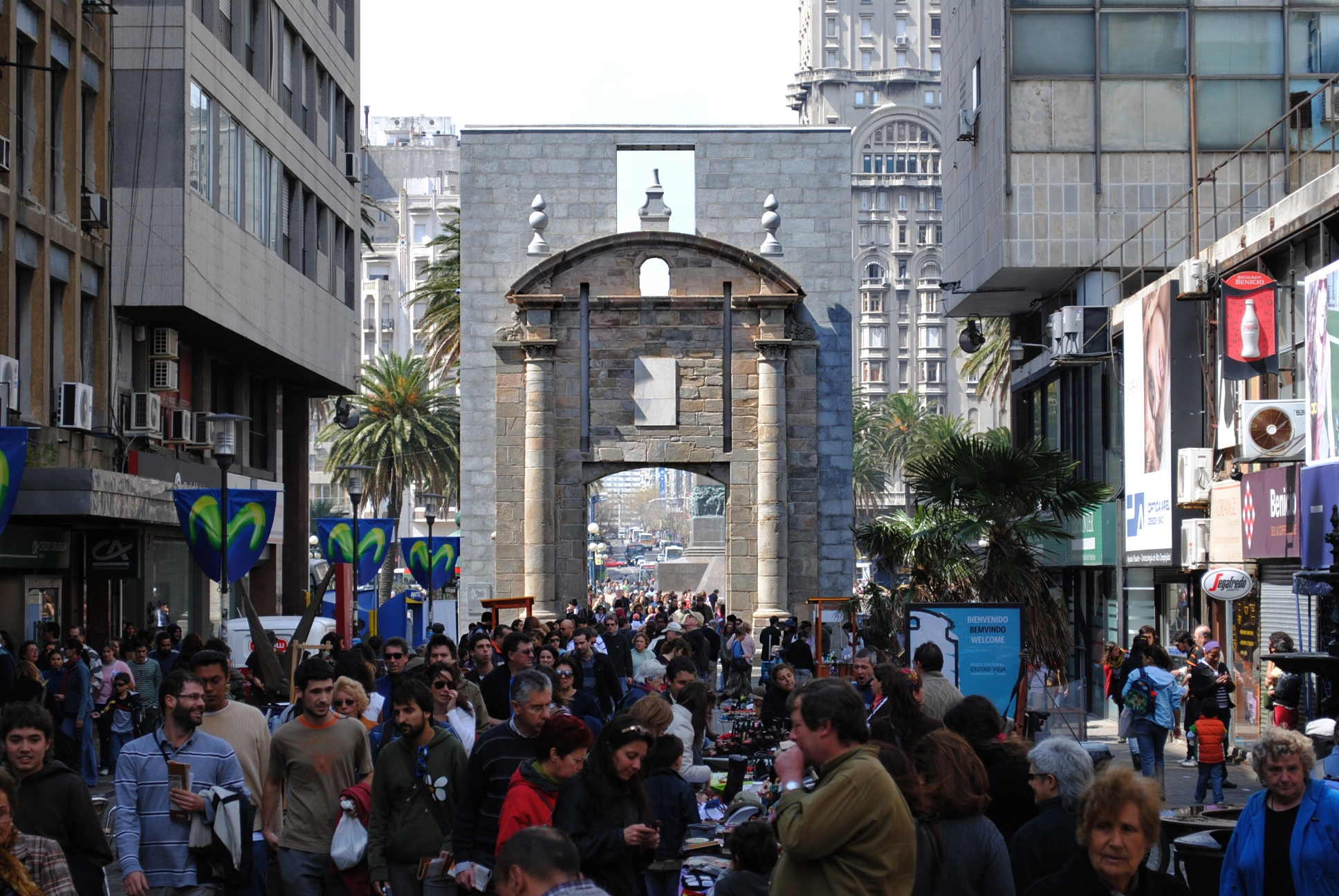
Entries were led by Uruguayans (2,584,868) and Argentines (2,289,613), followed by Brazilians (421,726), Americans (81,272), and Paraguayans (61,216). The busiest entry points were Paysandú, Colonia, Carrasco airport, and Fray Bentos.
Yet travel is not settlement. The 2023 census put Uruguay’s resident population at 3,444,263. The national statistics office reported 61,810 foreigners living in the country.
Venezuelans were the largest foreign group, ahead of Argentines and Cubans, with shares reported at 27%, 22%, and 20%.
Microdata paint the timeline behind today’s mood. One analysis counted 107,953 foreign-born residents in 2023, later estimated at 122,151.
It listed 16,179 Venezuelan-born residents and 11,862 Cuban-born, alongside 32,027 born in Argentina. Venezuelan arrivals peaked in 2018 (3,281) and 2019 (3,232), then fell sharply in 2020 (805).
About 14% had lived in another country before Uruguay, often elsewhere in Latin America. For Cubans, the biggest arrival year was 2022, with 3,552 people.
Why the Venezuelan pullback now. Part is emotional gravity and family separation. Part is hard math. Credential recognition can be slow, and many skilled newcomers end up in jobs far below their training.
Even modest relief back home can make return feel possible, even if politics remain unresolved. Meanwhile, Cuba’s rise reflects a different calculation. When northbound options look uncertain, more people choose stable rules, legal pathways, and safer bets.
Across Latin America and the Caribbean, about 6.9 million Venezuelan refugees and migrants were counted by late 2025. Uruguay’s numbers are small, but its turn can foreshadow where the region’s next routes will run.
Related coverage: Brazil’s Morning Call | Argentina’s Trade Surplus Looks Set To Shrink In December, E This is part of The Rio Times’ daily coverage of Venezuela affairs and Latin American financial news.
This article was produced by The Rio Times’ automated newsroom system. How we use AI · Report an error · Editorial responsibility: Matthias Camenzind, Editor-in-Chief
Read More from The Rio Times