The US Department of Commerce reports inflation fell to 2.1% in April 2025, down from 2.3% in March. Analysts forecasted 2.2%, but the Personal Consumption Expenditures (PCE) index dropped more than expected.
Media predictions of tariff-driven price surges prove inaccurate so far. Core PCE, excluding food and energy, rose 2.5%, below the expected 2.6%.
Monthly PCE increased 0.1%, with durable goods like cars up 0.5%. New tariffs—10% on most imports, 54% on Chinese goods—target trade imbalances but spark no immediate inflation jump.
Media hyped runaway inflation, yet retailers hold prices steady. Pre-tariff inventories shield consumers, validating the administration’s calm approach. The automotive sector sees price hikes from imported parts, signaling tariff effects.
Legal disputes cloud the outlook. The US Court of International Trade blocked tariffs, citing overreach. A federal judge restored them, pending further rulings. Businesses face uncertainty as courts deliberate.
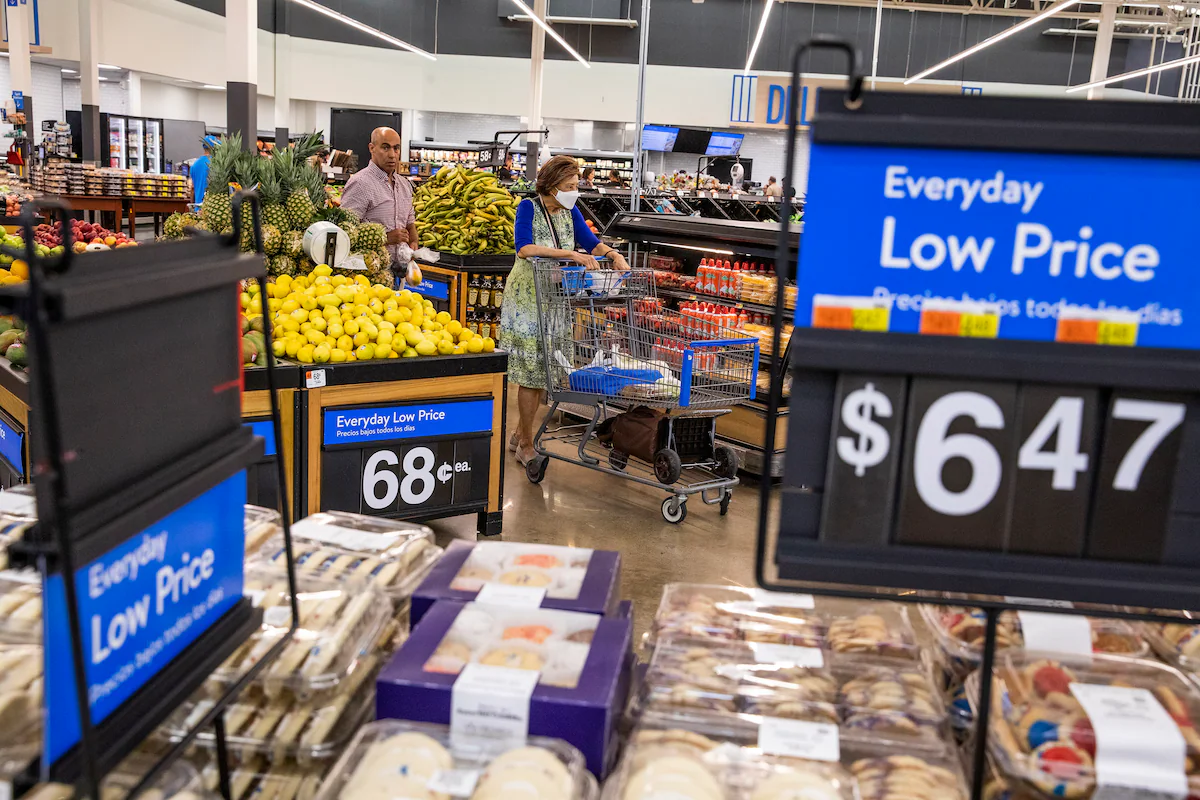
Imports dropped 20% in April, costing businesses $34 billion. Tariffs aim to protect US industries, but low inventories may raise prices later. Consumers see no major price hikes yet.
The Federal Reserve monitors the data. Stable inflation delays rate cuts, keeping borrowing costs high. The economy holds steady, but tariff impacts may grow. This shapes trade, jobs, and prices.
This article was produced by The Rio Times’ automated newsroom system. How we use AI · Report an error · Editorial responsibility: Matthias Camenzind, Editor-in-Chief
Read More from The Rio Times