Trump’s Return Slashes Migrant Border Crossings by 36% in January 2025
The U.S. Customs and Border Protection reports a 36% drop in migrant detentions at the U.S.-Mexico border, falling from 96,035 in December 2024 to 61,465 in January 2025.
This shift follows Donald Trump’s second inauguration on January 20, 2025, signaling a swift impact from his tough immigration stance. Businesses tracking border trends note the change, as it reshapes labor flows and trade dynamics.
Authorities detain fewer migrants now than any January since 2020, with encounters down 65.1% from 176,195 in January 2024. For fiscal year 2025’s first four months, Border Patrol logs 358,026 detentions, a 62.7% decline from last year.
This includes 208,346 solo adults, 126,138 family members, and 23,114 unaccompanied minors, mostly from Mexico (112,544), Guatemala (29,318), Honduras (28,410), and El Salvador (10,910).
Trump cancels the CBP One app, scraps asylum appointments, and boosts border security, driving the rapid decrease. Meanwhile, he expands detention, even using Guantánamo Bay, sparking cost and ethics debates.
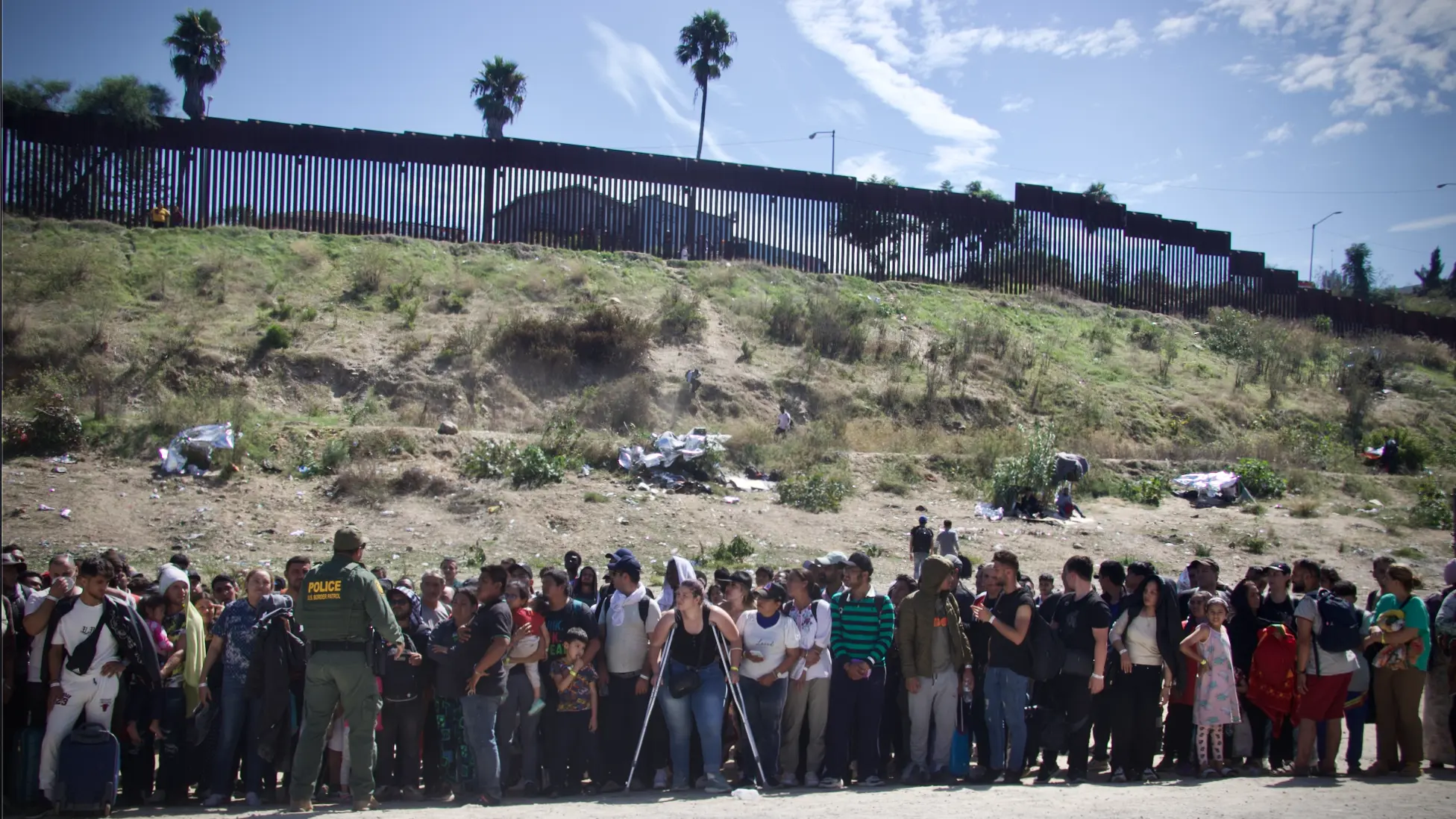
The International Detention Coalition warns of a growing crisis, as U.S. aid cuts and UN funding withdrawals strain resources for migrants stranded in Mexico.
Trump’s Immigration Policies Reshape Border Dynamics
Previously, Biden’s policies curbed crossings to a four-year low by late 2024 through Mexico’s help and tighter rules. Now, Trump’s actions strand thousands, overwhelm Mexico’s asylum system, and shift burdens to local shelters.
Businesses eye the fallout, as reduced migrant labor alters supply chains and economic patterns along the border. Critics highlight Guantánamo’s isolation and past abuses, questioning its use for low-risk detainees.
Confusion reigns as agencies like ICE and CBP struggle to align. Still, the numbers tell a clear story: Trump’s return delivers a sharp blow to irregular migration, reshaping the border narrative.
The decline offers companies predictability yet raises concerns about humanitarian costs and regional stability. With detentions at historic lows for January, the policy shift dominates headlines, affecting trade, labor, and international ties. Observers watch closely as fiscal 2025 unfolds, gauging the long-term impact of this drastic turn.
More: Mexico news in English, every day from The Rio Times.
This article was produced by The Rio Times’ automated newsroom system. How we use AI · Report an error · Editorial responsibility: Matthias Camenzind, Editor-in-Chief