Toyota Closes Its Corolla Plant in Brazil After 28 Years
Corporate
Key Facts
—The closure. Toyota shut its Indaiatuba plant in São Paulo state on June 30, after 28 years.
—The output. The factory built more than a million Corollas since it opened in 1998.
—The move. Corolla production shifts to a new plant in Sorocaba, due to open around November 2026.
—The investment. It is part of a R$11bn ($2.14bn) Toyota plan for Brazil running to 2030.
—The workforce. About 1,500 workers were offered transfers or a voluntary exit package.
—The milestone. Indaiatuba built Latin America’s first flex-hybrid cars.
The closing of the Toyota Corolla plant in Brazil ends a 28-year chapter of industrial history, and it marks a bet on where the carmaker thinks the country’s auto market is heading.
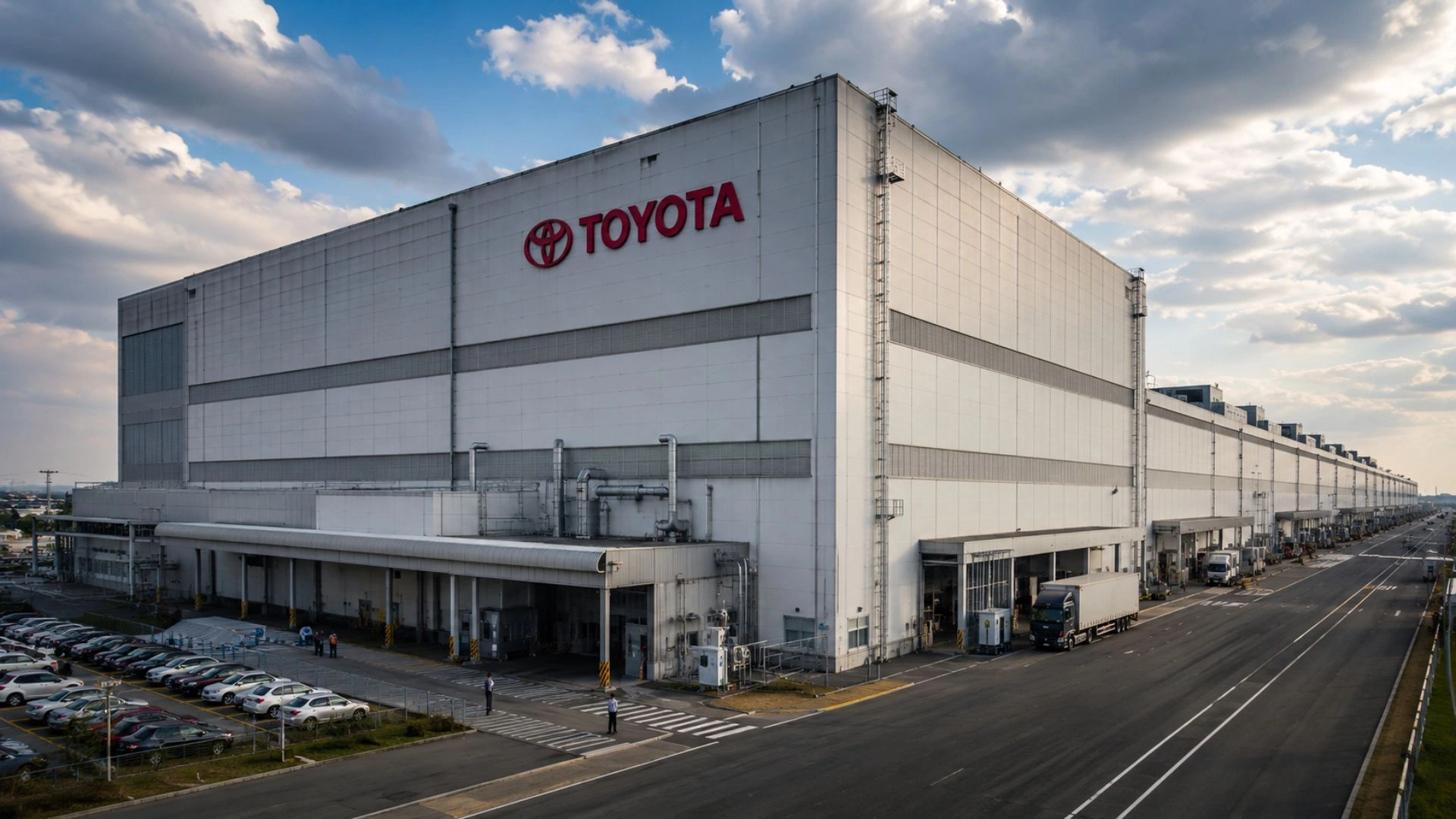
The factory in Indaiatuba, in the interior of São Paulo state, stopped production on June 30. It had built the Corolla sedan since 1998.
This is not Toyota leaving Brazil. It is the company consolidating its operations and pointing them toward electrified cars, and the shutdown is one step in that larger plan.
Why the Toyota Corolla plant is closing
The Indaiatuba site was Toyota’s second factory in Brazil, and it became the home of the Corolla for a generation of Brazilian buyers. Over 28 years it produced more than a million of the sedans, according to the company.
The plant was more than a volume line, too. It was where Toyota developed Latin America’s first flex-hybrid models, cars that pair an electric motor with an engine able to run on petrol or ethanol.
The reason for closing was largely practical. The site had run out of room to grow, and older equipment, including a paint shop that still used solvents, would have needed a long and costly overhaul.
Rather than pour money into an aging plant, Toyota chose to move the work to a modern one. The decision fits a wider pattern of pulling scattered operations into fewer, larger hubs.
Where the Corolla goes next
Production moves to Sorocaba, another city in the São Paulo interior, where Toyota is opening a new unit expected to start up around November. The plant already builds the Corolla Cross and Yaris Cross.
The switch comes with a big lift in capacity. Sorocaba’s annual output is set to climb from roughly one hundred and seventy thousand vehicles toward two hundred and fifty-five thousand once the new lines are running.
Toyota is also adding battery assembly at the site and building hybrid-system parts nearby. The aim is to raise the local content of its electrified cars and make Brazil a regional base for the technology.
All of this sits inside a Toyota investment plan for Brazil of around eleven billion reais through 2030, first announced in 2024. The plan is squarely focused on hybrids and other lower-emission vehicles.
The human cost of the move
Behind the strategy are the people who ran the line. The closure affected about fifteen hundred workers at Indaiatuba, and their fate was settled in a deal with the local metalworkers’ union back in 2024.
Workers were offered a choice, either a transfer to Sorocaba or a voluntary dismissal package. The buyout terms were generous by local standards, running to dozens of months of salary plus extra payments for length of service.
In practice, most did not follow the factory. Sorocaba is about an hour away, and union figures suggest only a small share of staff accepted the transfer, while the majority took the payout instead.
There was real disappointment on the floor too. Many workers had hoped a new pickup model would be built at Indaiatuba, and the decision to close instead landed as a blow after years of expectation.
What it signals about Brazil’s car market
The move is a small window onto a bigger shift. Toyota is betting that Brazil’s future lies in hybrids rather than pure petrol cars, and it is reshaping its factories to match.
That bet is distinctly local. Brazil’s flex-fuel tradition, built on sugarcane ethanol, gives the hybrid a particular appeal here that it lacks in markets wedded to petrol alone.
For an investor watching the region’s industry, the message is that global carmakers still see Brazil as a base worth modernizing, not abandoning, even as they cut their older sites.
The less rosy reading
The company’s framing is upbeat, but the closure still carries a cost. A city that spent nearly three decades tied to a single plant now loses it, and most of the jobs will not simply reappear an hour down the road.
Toyota has also not said what will become of the empty Indaiatuba site, leaving a question mark over a large industrial space and the suppliers that fed it.
And yet, weighed as a whole, the shift reads as investment rather than retreat. The Corolla lives on in Brazil, at a bigger and more modern plant, and the country keeps a carmaker willing to spend to stay, which is the more important signal for the years ahead.
More: Brazil news in English, every day from The Rio Times.
Frequently Asked Questions
Why did the Toyota Corolla plant close in Brazil?
The Indaiatuba site had no room to expand and older equipment that needed a costly overhaul. Toyota chose to move production to a modern plant rather than upgrade the aging one.
Where will the Corolla be built now?
Production moves to a new plant in Sorocaba, in São Paulo state, due to open around November 2026. The site will also add battery assembly for hybrid vehicles.
What happened to the workers?
About fifteen hundred workers were offered a transfer to Sorocaba or a voluntary exit package under a 2024 union deal. Most took the payout rather than relocate.
Is Toyota leaving Brazil?
No. The closure is part of a R$11bn ($2.14bn) investment plan through 2030 that consolidates and modernizes its Brazilian operations around hybrid vehicles.
This article was drafted with automated assistance and reviewed before publication. How we use AI · Report an error
Read More from The Rio Times