Tanzania’s Tanesco and CRDB Ease Power Connection Costs

Key Facts
- —What happened Tanesco and CRDB Bank launched a financing scheme on 2 October 2026 to reduce upfront electricity connection costs for Tanzanian households.
- —The numbers CRDB will cover the TZS27,000 (about US$10) rural connection fee, targeting 500,000 customers annually, while urban and peri-urban customers can borrow from CRDB and repay in instalments.
- —The gap A single-phase urban connection below 30 metres costs TZS320,960 (about US$123), far above the TZS27,000 (about US$10) rural fee, according to Tanesco’s published tariff schedule.
- —Why it matters World Bank programme documents put national electricity access at 46% in 2022, up from 14% in 2011, with about 79% in urban areas and 36% in rural areas.
- —What comes next The scheme tests whether domestic bank credit can convert a one-off connection barrier into affordable instalments for individual households.
Tanzania’s state utility Tanesco and CRDB Bank have launched a scheme to ease electricity connection costs, with the bank covering rural fees and financing urban instalments.
Tanzania’s state power utility Tanesco and CRDB Bank launched a financing scheme on 2 October 2026 to reduce the upfront cost of household electricity connections. The programme targets 500,000 customers annually and converts a one-off payment barrier into either a subsidy or a credit obligation.
How the Tanesco-CRDB scheme works
The scheme splits customers into two tracks. For eligible rural and peri-urban households, CRDB Bank will cover the TZS27,000 (about US$10) connection fee directly, removing the upfront cost entirely.
Urban customers follow a different path. They will access CRDB financing and repay their connection costs in instalments, spreading a much larger one-off expense over time.
The difference in treatment reflects a stark pricing gap in Tanesco’s published tariff schedule. A single-phase connection below 30 metres costs TZS27,000 (about US$10) in rural areas but TZS320,960 (about US$123) in urban areas.
Longer-distance and three-phase connections cost substantially more. The scheme is therefore less a generation project than a last-mile finance intervention aimed at the point where households actually sign up.
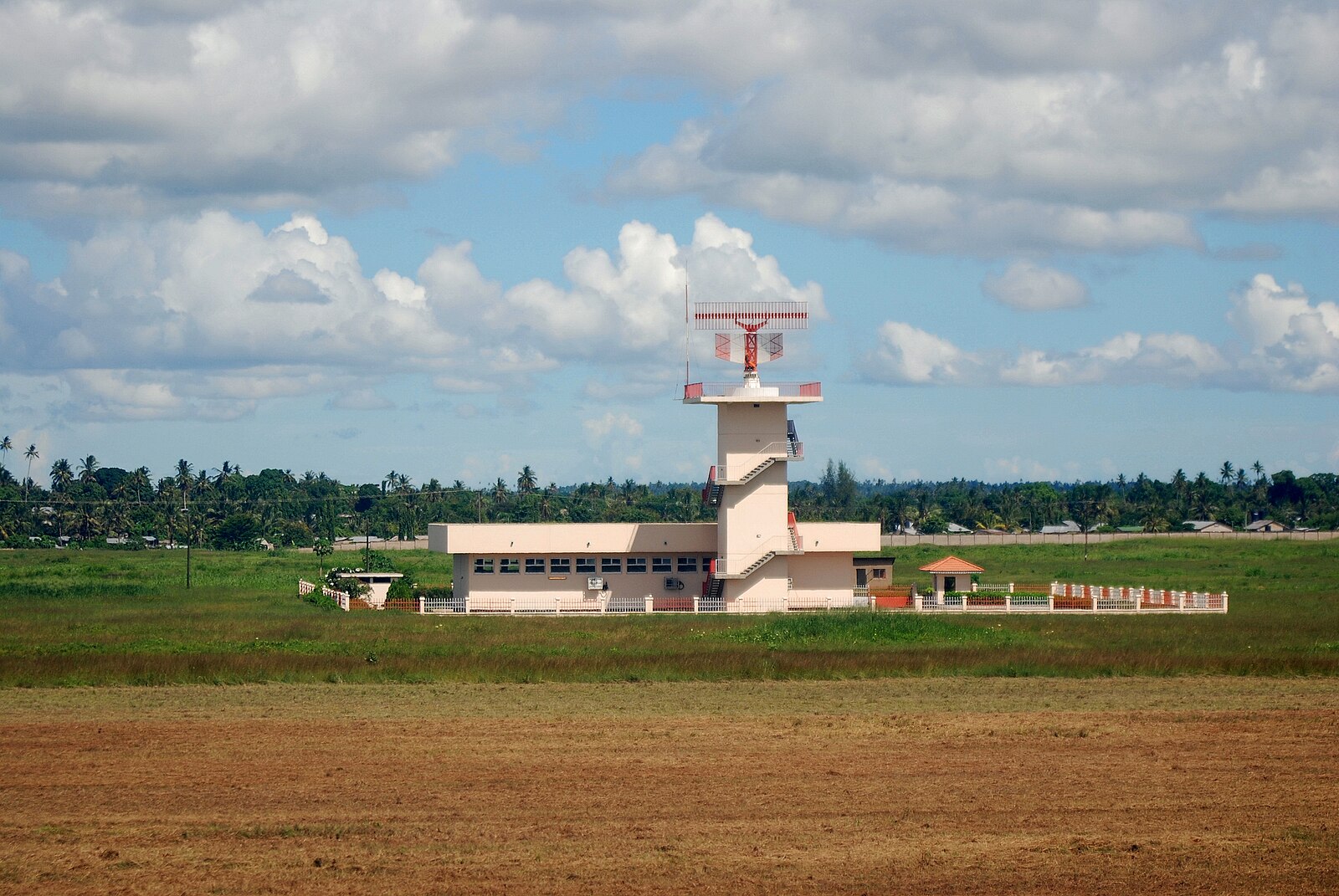
The affordability gap behind electricity connection costs
National electricity access in Tanzania stood at 46% in 2022, according to World Bank programme documents. That leaves nearly half the population without a grid connection.
A World Bank programme assessment recorded a rise from 14% access in 2011 to 46% in 2022. The urban-rural divide remains persistent, with about 79% urban access against about 36% rural access in 2022.
The connection fee is only part of the story. Households also face wiring costs, appliance purchases and ongoing consumption charges, but the upfront fee is often the first hard barrier.
By removing or financing that fee, the scheme targets the moment many rural and peri-urban families decide whether to connect at all.
Who gains and who carries the risk
Rural and peri-urban customers gain the most immediately. A TZS27,000 (about US$10) fee covered by CRDB means a household can connect without saving for months or borrowing informally.
CRDB Bank gains a new lending book and customer relationships. The bank is effectively underwriting access, betting that connected households become reliable borrowers for other products.
Tanesco gains new paying customers and higher network utilisation. The utility spreads its fixed infrastructure costs across more connections, improving its revenue base.
The risk sits with repayment discipline. Urban instalment customers must keep up with credit obligations, and the scheme’s success depends on collection rates that the research does not yet document.
Tanzania’s wider electrification push
The launch fits a broader national effort to expand access.
Commitments came from the World Bank, African Development Bank, Islamic Development Bank and the China-based Asian Infrastructure Investment Bank.
The Tanesco-CRDB model shows how that macro-finance agenda ultimately depends on domestic banks, utilities and affordable consumer credit reaching individual households. It is a test of whether local institutions can deliver what international pledges promise.
The great-power contest and the local read-through
Africa’s power deficit has become a focal point for competing financiers.
That contest is part of a wider scramble for influence documented in Africa: The New Scramble. Electricity access is both a development goal and a geopolitical lever.
For expats and investors in Tanzania, the scheme signals where the government is prioritising. Reliable household electricity underpins everything from property values to small-business viability in peri-urban areas.
The immediate test is execution. Whether CRDB can sustain the subsidy for rural customers and manage urban repayment risk will determine if the model spreads beyond Tanzania.
What to watch next
The scheme’s first year will reveal uptake rates against the 500,000-customer annual target. Early data on rural connections and urban repayment performance will matter most.
Watch whether other Tanzanian banks or regional utilities copy the model. If it works, it could reshape how East African countries finance last-mile connections.
Tanzania’s domestic experiment may become a benchmark for that broader agenda.
Frequently asked questions
How much does a rural electricity connection cost in Tanzania?
A single-phase connection below 30 metres costs TZS27,000 (about US$10) in rural areas, according to Tanesco’s published tariff schedule.
Who pays the rural connection fee under the new scheme?
CRDB Bank covers the TZS27,000 (about US$10) fee for eligible rural and peri-urban customers, targeting 500,000 customers annually.
How much does an urban connection cost in Tanzania?
A single-phase urban connection below 30 metres costs TZS320,960 (about US$123), which urban customers can repay in instalments through CRDB financing.
Connected Coverage
Sources
This article was produced by The Rio Times’ automated newsroom system. How we use AI · Report an error · Editorial responsibility: Matthias Camenzind, Editor-in-Chief
LatAm Markets: Live Signals → — real-time movers, turnover leaders and FX across Latin America.