Sudan Says It Is Ready to Buy Kenyan Tea Again
Key Facts
- —What happened Sudan’s ambassador says the country is ready to buy Kenyan tea again.
- —How big a jump Kenya sold Sudan about US$70 million of tea yearly before the ban.
- —The catch The March 2025 import ban remains in force, with no decree lifting it.
- —Who it touches Kenyan smallholder farmers and exporters lose income while Sudan misses steady supplies.
- —What comes next A formal notice revoking the ban, or more shipments through Mombasa, signals a thaw.
Sudan’s ambassador in Nairobi says his country is ready to buy Kenyan tea again. The March 2025 ban is still in place, and no Kenyan goods have gone through.
How the Sudan tea market ban began
Sudan’s Ministry of Trade announced a suspension of all imports from Kenya on 11 March 2025. The decision came days after Nairobi hosted representatives of the Rapid Support Forces (RSF), the paramilitary group fighting Sudan’s national army in a civil war that erupted in April 2023.
The RSF delegates signed a charter for a parallel government on Kenyan soil, a move Khartoum treated as a hostile political act. Sudan responded by closing its ports, border crossings and airports to every category of Kenyan goods.
Tea was the most visible casualty. Before the ban, Sudan imported roughly 35 million kilogrammes of Kenyan tea each year, worth approximately US$70 million annually, making it one of Kenya’s top five tea export destinations.
What the ban cost both sides
Kenyan tea shipments were stranded in warehouses and transit immediately after the ban. Industry groups warned of mounting losses for exporters and smallholder farmers who depend on the Sudan market for a significant share of their income.
Total Kenyan exports to Sudan reached US$48.2 million in 2023. Tea made up US$29.6 million of that, ahead of processed tobacco at US$3.66 million and seed oils at US$1.84 million.
Sudan paid a price too. The war has left it short of food, medicine and everyday goods, and almost all of it arrives by ship.
Cutting off Kenyan tea took a steady supply out of Sudanese shops. The ban cost Sudan money, and it was meant to.
The partial reprieve
Sudan later let 207 containers of Kenyan tea clear customs. Those containers were already sitting at Mombasa when the ban landed in March 2025, and never sailed on to Port Sudan.
Officials called that a temporary administrative step, not a change of policy. Former Kenyan vice-president Kalonzo Musyoka valued the stranded tea at more than US$24 million, in a statement on 6 August 2026.
Sudan’s embassy in Nairobi says the March 2025 ban has not been revoked. No Kenyan products, tea included, have been imported since it took effect.
Sudan’s ambassador to Kenya, Kamal Jabara Gubara, has said the country is ready to reopen the trade. No decree lifting the ban has been published.
Musyoka has publicly urged Sudan to restore trade ties. Khartoum still treats the question as one of sovereignty and non-interference in its own affairs.
Why tea is a political commodity
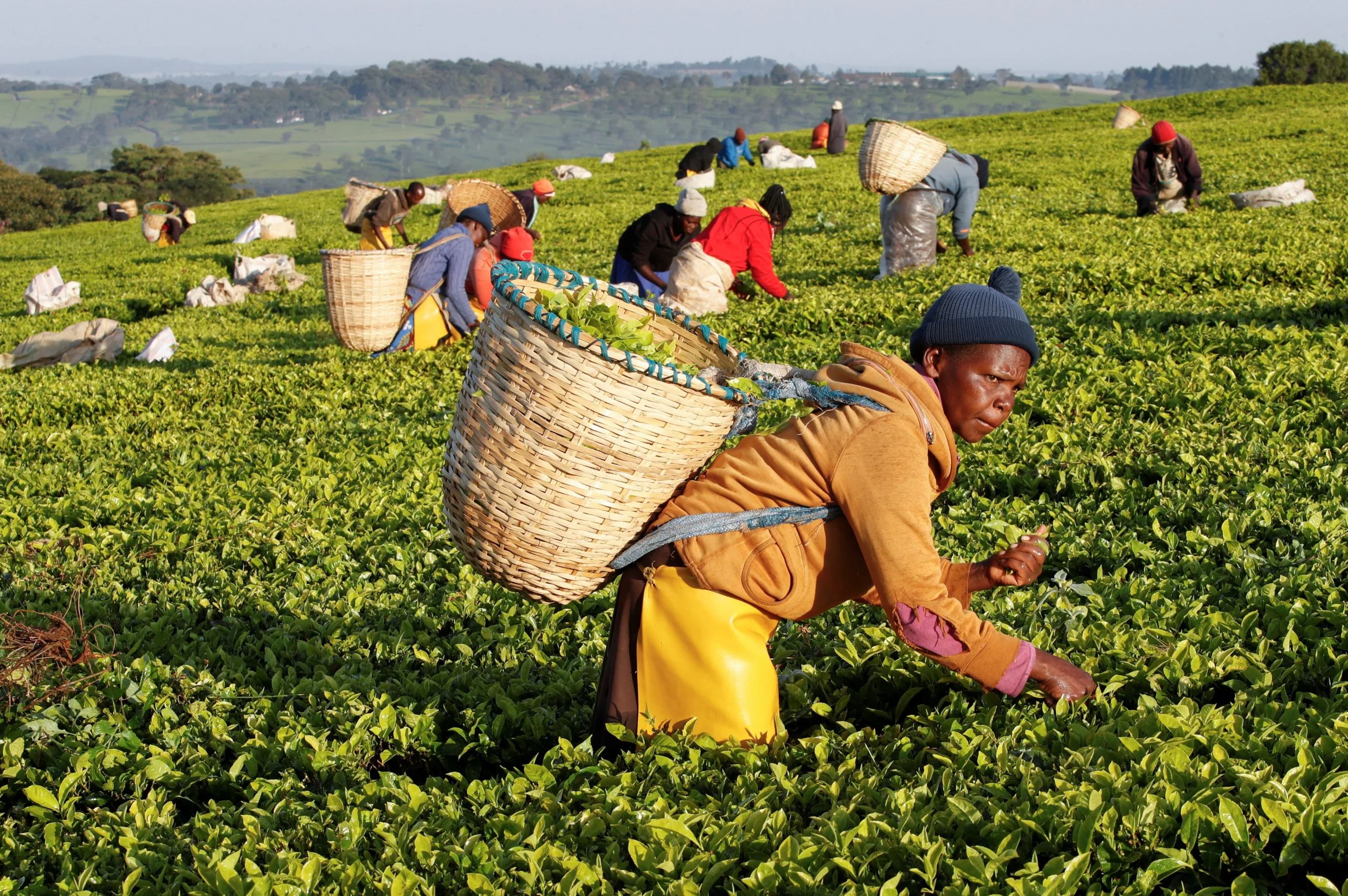
Tea is not just another export for Kenya. It earns hard currency and feeds hundreds of thousands of small farming families.
So trouble in the Sudan tea market quickly becomes a political problem in Nairobi.
For Khartoum, the ban was payback for Kenya hosting RSF figures. Sudan’s government sees the RSF as a threat to its survival.
It used trade to punish what it read as Kenyan support for a rival government.
A real reopening would mean one side had softened. It would be a political signal, not simply a business decision.
The regional power contest behind the dispute
Kenya’s contact with RSF figures sits inside a bigger contest over who shapes Sudan after the war. Critics in the region say Nairobi helped one side, and Sudan calls that interference.
Outside powers are tangled up in the war. Reporting has linked the United Arab Emirates to RSF funding, while Russia and China matter to Sudan’s wider economy and security.
Sudan belongs to two big trade blocs. They are COMESA, the Common Market for Eastern and Southern Africa, and GAFTA, the Greater Arab Free Trade Area.
Economists say more trade, not less, is what its recovery needs. The ban pushes the other way. The wider contest for influence across the Horn of Africa is tracked in Africa: The New Scramble.
What to watch next in the Sudan tea market
The signal to watch is a formal notice from Sudan’s trade ministry revoking or changing the March 2025 ban. Until one appears, talk of reopening stays a diplomatic gesture.
Kenyan exporters will also watch whether more shipments follow the 207 containers through Mombasa. That would point to a quiet thaw rather than a formal announcement.
The diplomacy matters more than the paperwork. A change in Kenya’s stance on the RSF, or regional talks that answer Sudan’s sovereignty worries, would move the trade faster than any commercial negotiation.
Connected Coverage
The wider contest for influence across the Horn of Africa, including the Sudan war and its foreign backers, is tracked in Africa: The New Scramble.
Sources
Frequently Asked Questions
Has Sudan actually reopened its tea market to Kenya?
No. Sudan’s embassy in Nairobi has stated the March 2025 import ban has not been revoked and no Kenyan products have been imported since it took effect.
Why did Sudan ban Kenyan imports in the first place?
Sudan suspended all imports from Kenya on 11 March 2025 after Nairobi hosted Rapid Support Forces representatives who signed a charter for a parallel government.
How much was the Kenya-Sudan tea trade worth before the ban?
Sudan imported roughly 35 million kilogrammes of Kenyan tea worth approximately US$70 million a year, making it one of Kenya’s top five tea export destinations.
This article was produced by The Rio Times’ automated newsroom system. How we use AI · Report an error · Editorial responsibility: Matthias Camenzind, Editor-in-Chief
LatAm Markets: Live Signals → — real-time movers, turnover leaders and FX across Latin America.