Steel Wrap: Gerdau Rises as Tariffs Shield Brazil
Key Facts
- Gerdau gained 1.25% to US$4.85 in New York trading, the strongest move among the region’s steel proxies.
- Ternium slipped 0.31% to US$55.36 as Mexican demand growth partly offsets US tariff friction.
- CSN’s ADR closed flat at US$1.10, reflecting continued pressure from cheap Chinese flat steel.
- The SLX steel ETF was nearly unchanged at US$104.80, down just 0.03% on the session.
- Brazil’s 25% steel tariff above quota remains in force through June 2027 across 19 product categories.
- Imported steel still captured 22.5% of Brazil’s apparent steel market in the first half of 2026.
Today’s Focus
Latin American steel shares finished the week with a mixed board on Friday, September 25, 2026, as Brazil’s tariff shield and Mexican industrial demand competed with the relentless weight of cheap Chinese supply. Gerdau rose 1.25% to US$4.85, leading the region’s names, while Ternium slipped 0.31% to US$55.36 and CSN’s US-listed shares were flat at US$1.10.
The broad SLX steel-producers exchange-traded fund closed at US$104.80, a decline of just 0.03%, confirming that global steel equities remain stuck in a holding pattern. Brazil’s 25% tariff above quota on 19 product categories through June 2027 has not stopped imported steel from taking 22.5% of the apparent market in this year’s first half.
Construction strength in Brazil supports Gerdau’s long-steel franchise, while CSN and Usiminas face a tougher flat-steel market tied to automakers and appliance makers. Mexico applies tariffs up to 50% on 1,463 tariff lines from countries without a free-trade deal, a regime in place since January 1, 2026, that helps Ternium’s domestic pricing.
Yet Ternium still contends with United States Section 232 tariffs because many of its Mexican customers export into the US market. Management expects Mexican steel consumption to grow 4% in 2026 after a 10% decline in 2025, on healthy auto demand and improving heating and cooling equipment orders.
What matters today. Tariffs provide a floor for Latin American steel, but Chinese import share and US trade policy set the ceiling.
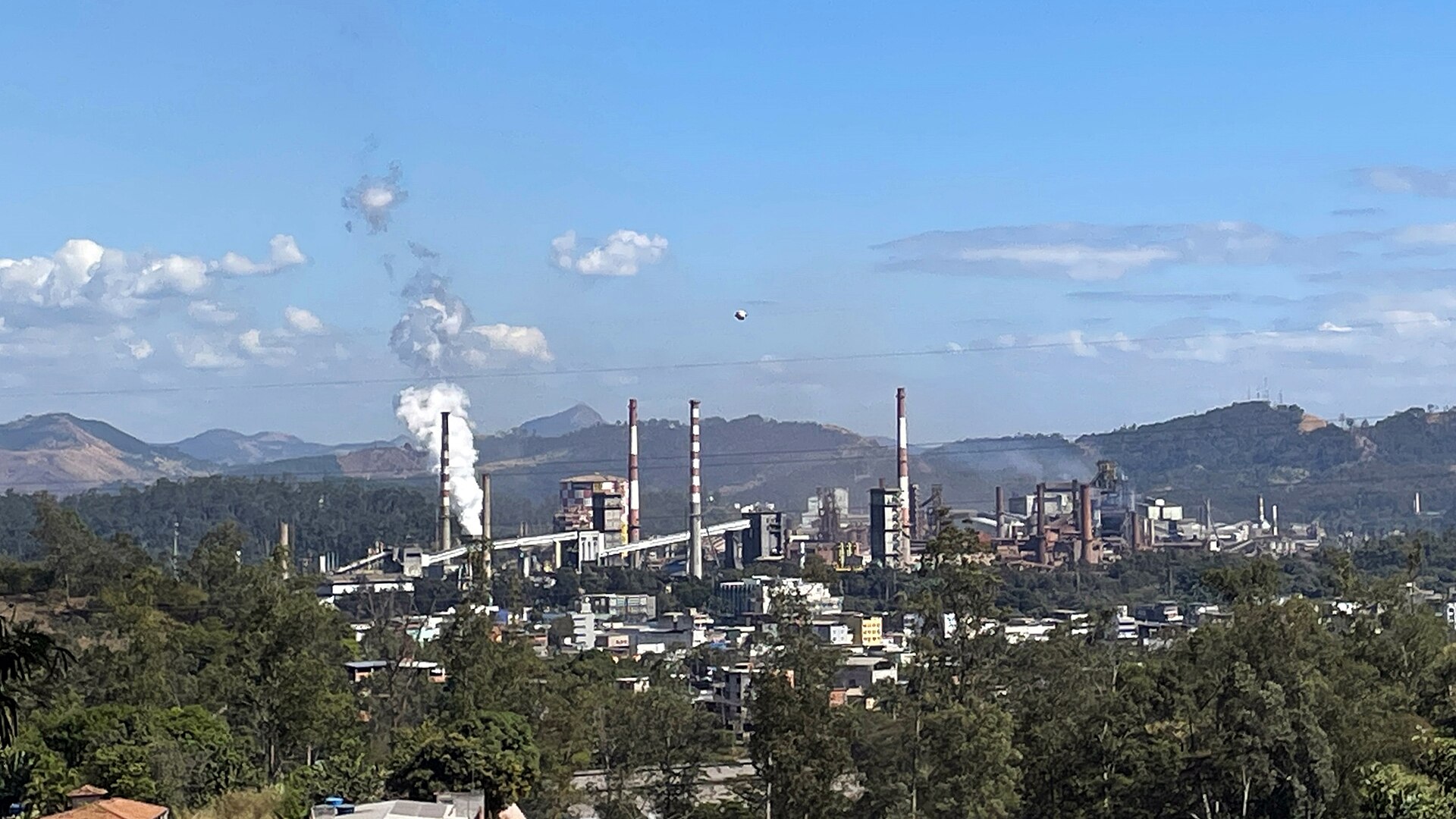
01 The session in one read
Latin American steel shares ended Friday, September 25, 2026 with a split personality: Brazil’s construction-linked Gerdau advanced 1.25% to US$4.85, while Mexico’s Ternium slipped 0.31% to US$55.36. CSN’s American depositary receipt closed unchanged at US$1.10, a sign of how little conviction flat-steel investors have right now.
The SLX, a global basket of steel producers, barely budged at US$104.80, down 0.03%. The region’s stocks are not trading on global steel momentum; they are trading on local tariff math and end-market demand that differ sharply between construction and automotive supply chains.
The region’s steel equities sit between real protectionist support and a hard fact. Brazilian buyers still source 22.5% of apparent demand from imports.
Gerdau has the cleaner domestic story, because long steel is less exposed to Chinese flat products. The variable to watch is quota enforcement in Brasília.
02 The board
Gerdau was the session’s standout, rising 1.25% to US$4.85 in New York. That move stands out because it happened on a day when the broad SLX steel-producers ETF fell 0.03% to US$104.80, meaning money was rotating within the sector rather than chasing it.
Ternium’s 0.31% dip to US$55.36 left it as the laggard among the region’s actively traded names, though the move was modest. CSN’s flat close at US$1.10 reflects a stock that has been de-rated by the persistent pressure of Chinese flat-steel imports into Brazil.
| Asset | Level | Change |
|---|---|---|
| Steel (SLX ETF) | US$104.80 | -0.03% |
| Gerdau | US$4.85 | +1.25% |
| CSN (ADR) | US$1.10 | +0.00% |
| Ternium | US$55.36 | -0.31% |
Source: RT close, 2026-09-25. Where a commodity has no spot feed, an exchange-traded tracker or leading producer is shown as a labelled proxy.
Live Market IntelligenceThe live market board
Rio Times · Live Market Intelligence
Latin America — Cross-Market Board
| Instrument | Last | Change | YoY | Prev. | High | Low | Volume |
|---|---|---|---|---|---|---|---|
| IBOV | 183,476.86 | -0.27% | +21.85% | 183,965.91 | 168,310 | 167,142 | — |
| IPSA | 11,255.90 | -0.39% | — | 11,299.82 | 11,210 | 10,984 | 1,513,213,483 |
| IPC MEX | 64,651.92 | +0.60% | +12.17% | 64,264.16 | 66,121 | 65,405 | 108,886,187 |
| MERVAL | 2,893,751 | -1.57% | +30.51% | 3,022,485 | 3,042,365 | 2,991,150 | — |
| COLCAP | 2,584.72 | -0.95% | — | 9.04 | 9.05 | 9.02 | 4,133 |
| BVL PERÚ | 59,934.37 | +1.27% | — | — | — | — | — |
| USD/BRL | 5.16 | +0.01% | -5.13% | 5.16 | 5.18 | 5.14 | — |
| EUR/BRL | 5.95 | +1.01% | -5.83% | 5.89 | 5.98 | 5.94 | — |
| USD/MXN | 17.06 | -0.24% | -8.58% | 17.10 | 17.08 | 17.01 | — |
| USD/CLP | 913.98 | +0.04% | -5.67% | 913.65 | 915.11 | 906.68 | — |
| USD/COP | 3,140 | +0.03% | -22.04% | 3,139 | 3,141 | 3,105 | — |
| USD/PEN | 3.36 | -0.66% | -4.82% | 3.38 | 3.38 | 3.35 | — |
| USD/ARS | 1,493 | +0.10% | +12.96% | 1,491 | 1,494 | 1,480 | — |
| USD/UYU | 40.27 | +1.24% | +1.80% | 39.77 | 40.27 | 40.23 | — |
| USD/PYG | 5,939 | +1.68% | -19.54% | 5,841 | 5,939 | 5,925 | — |
| USD/BOB | 11.64 | -0.76% | +72.04% | 11.73 | 11.72 | 11.64 | — |
| USD/DOP | 58.34 | +1.25% | -3.44% | 57.62 | 58.34 | 58.04 | — |
| USD/CRC | 445.92 | +0.89% | -9.71% | 441.97 | 448.50 | 445.92 | — |
Live Company IntelligenceGerdau S.A — the full investor dossier
Valuation & profitability
Price & risk
$16.1152-wk high
$26.44
Revenue trend · 6y
Ownership
Dividend
03 What moved it
Brazil’s 25% tariff on steel imports above quota, covering 19 product categories, remains the central policy fact for Gerdau, CSN and Usiminas. That protection runs through June 2027 and is reinforced by five-year anti-dumping duties on some Chinese flat-steel goods and wire rod.
Yet the shield is porous: imported steel took 22.5% of Brazil’s apparent market in the first half of 2026. Cheap Chinese material remains the main reason domestic mills struggle to lift prices, even with tariffs in place.
Construction demand is the counterweight for Gerdau, whose long-steel products feed Brazilian building sites rather than automotive assembly lines. CSN and Usiminas are more tied to flat steel used by carmakers, appliance manufacturers and machinery producers, where imported competition is fiercest.
04 The Latin American read
Mexico’s tariff regime is even broader: duties of up to 50% on 1,463 tariff lines from countries without a free-trade agreement, including steel, have been in force since January 1, 2026. Ternium benefits directly because Mexican buyers cannot easily switch to non-FTA Asian supply.
Ternium’s own outlook links domestic strength to automotive demand and factory construction tied to nearshoring, the trend of manufacturers moving production closer to the United States. Management has told investors it expects Mexican steel consumption to grow 4% in 2026 after a 10% drop in 2025, with auto demand healthy and heating, ventilation and air-conditioning orders improving.
The complication for Ternium is north of the border: United States Section 232 tariffs on certain steel imports still affect its Mexican customers who export finished industrial goods into America. That keeps a ceiling on how aggressively Ternium can push volumes even when domestic prices are firm.
05 The names to watch
Gerdau is the cleanest structural story: long-steel exposure to Brazilian construction gives it distance from the worst Chinese flat-steel competition. Its 1.25% gain to US$4.85 on a flat sector day suggests investors are rewarding that positioning.
CSN and Usiminas remain flat-steel proxies, more sensitive to automotive, appliance and industrial demand. CSN’s unchanged close at US$1.10 reflects a market that sees no near-term catalyst to reverse import pressure.
Ternium is the regional bellwether for nearshoring, balancing Mexican tariff protection and US Section 232 friction. Its 0.31% slip to US$55.36 was minor, but the stock’s direction will track whether Mexican steel consumption really recovers 4% this year as promised.
06 The outlook
The next test for Brazilian names is whether imported steel’s share of apparent demand begins to drop from 22.5%, which would signal the tariff regime is finally biting. If that figure stays elevated, price increases at Gerdau, CSN and Usiminas will remain difficult despite construction strength.
For Mexico, watch Ternium’s quarterly commentary on whether automotive and HVAC demand keeps accelerating toward the 4% consumption growth target. Any tightening of US Section 232 enforcement would be the main external risk to that recovery.
07 What to watch
- Brazil import share: Whether imported steel’s 22.5% share of apparent demand falls would confirm the tariff regime is working.
- Mexico consumption: Ternium’s 4% growth target for 2026 depends on auto and nearshoring demand holding current momentum.
- US Section 232: Any change to American steel tariffs would immediately affect Mexican steel customers exporting north.
- Chinese pricing: Sustained cheap Chinese flat steel remains the main brake on CSN and Usiminas margin recovery.
Frequently Asked Questions
Why did Gerdau rise while CSN was flat?
Gerdau sells long steel into Brazilian construction, which is resilient, while CSN’s flat steel faces direct competition from cheap Chinese imports.
Does Brazil’s steel tariff actually work?
Partially. The 25% tariff above quota runs through June 2027, yet imported steel still captured 22.5% of apparent demand in the first half of 2026.
What is Ternium’s exposure to US trade policy?
Ternium’s Mexican customers export industrial goods to the US, so American Section 232 tariffs on certain steel imports act as a ceiling on demand.
Is Latin American steel a growth story?
Selectively. Mexican consumption is forecast to grow 4% in 2026 after a 10% fall in 2025, while Brazil’s growth is concentrated in construction and infrastructure.
This article was produced by The Rio Times’ automated newsroom system. How we use AI · Report an error
LatAm Markets: Live Signals → — real-time movers, turnover leaders and FX across Latin America.
Read More from The Rio Times