Nigeria Motor Insurance May Shift to Third-Party Cover, an Insurer Says
NIGERIA · FINANCE
Key Facts
- —The country Nigeria has about 220 million people and one of Africa’s largest but thinnest insurance markets.
- —What was said An insurance executive expects more drivers to choose third-party cover over comprehensive policies.
- —The status This is a stated expectation, not a measured change in the market.
- —The money The minimum third-party premium is 15,000 naira a year, about US$11.
- —The catch Comprehensive cover starts at 5 percent of a vehicle’s value, a different order of cost.
Nigeria motor insurance has not visibly shifted. This is one insurer’s prediction, and the gap between the two policies is the point.
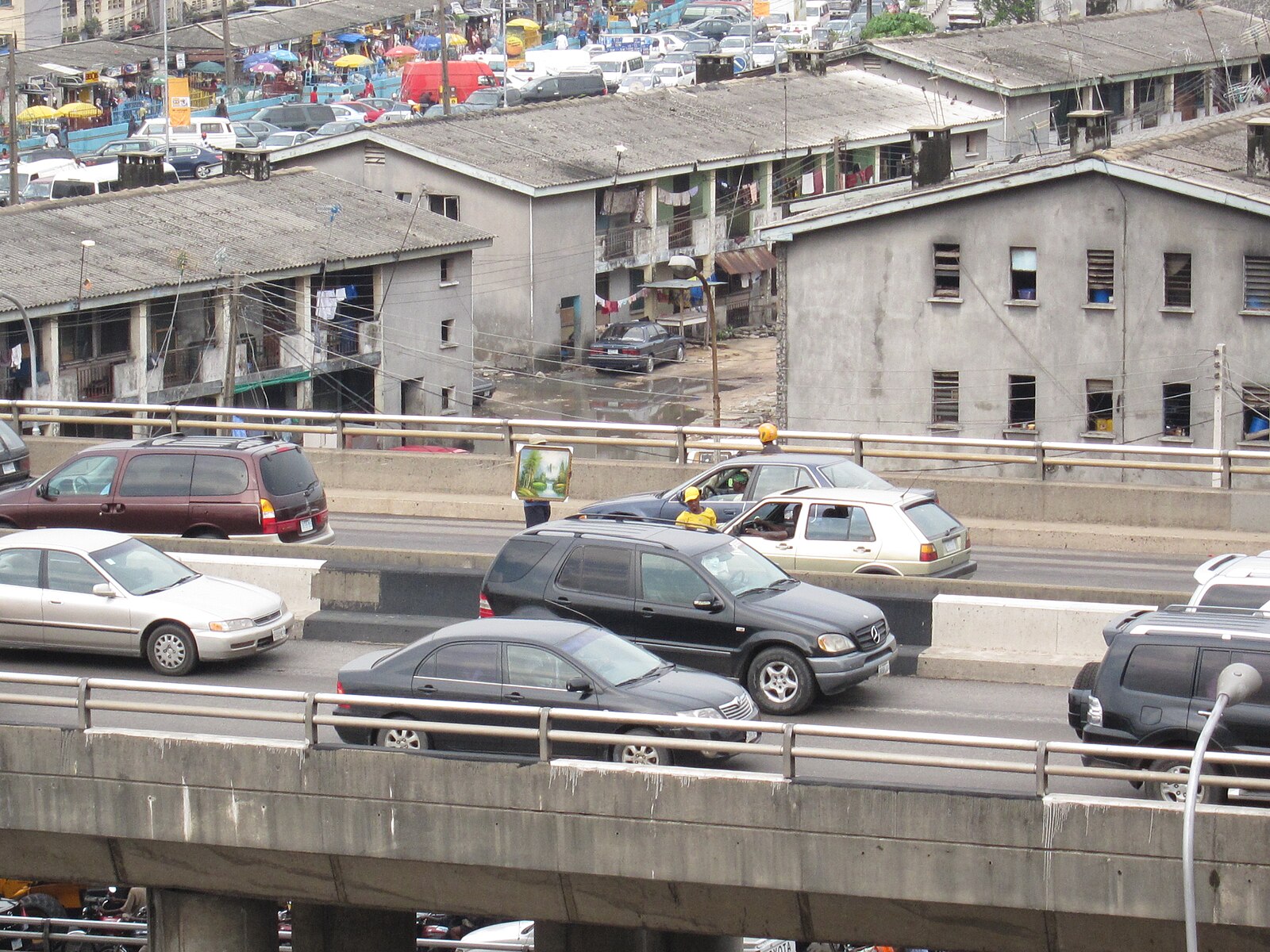
An executive at a Nigerian insurer expects rising fuel and running costs to push drivers toward cheaper cover. Nigeria motor insurance already sits at prices that look small in dollar terms.
What was actually said
Katherine Itua is executive director for finance and investments at Consolidated Hallmark Insurance. She made the comment in September 2026.
As fuel and vehicle running costs rise, she said, more customers are likely to choose third-party cover. It is more affordable than comprehensive.
That is a forecast about customer behaviour. No data showing an actual shift has been published.
It is worth stating clearly because the distinction is easy to lose. An expectation is not a trend.
What Nigeria motor insurance costs
Third-party cover pays for damage to other people. The regulator sets a minimum premium of 15,000 naira a year, about US$11.
That minimum has applied since 1 January 2023, when it rose from 5,000 naira, about US$4. The increase was 200 percent.
Comprehensive cover also pays for the owner’s own vehicle. The regulator sets a minimum of 5 percent of the sum insured.
On a car insured for 3 million naira, about US$2,260, that is roughly 150,000 naira, about US$113. The gap between the two is the whole argument.
The costs pressing on insurers
Insurers face the same fuel bills as their customers. Offices, field operations, claims work and sales networks all run on fuel and generators.
Consolidated Hallmark budgeted petrol at about 1,500 naira a litre for 2026, roughly US$1.13. It budgeted diesel at about 2,000 naira, roughly US$1.51.
Those are planning assumptions rather than pump prices. They indicate what the company expects to pay.
Higher running costs squeeze margins on low-value policies hardest. Third-party business is the lowest-value line there is.
That cuts against the prediction rather than supporting it. A shift to cheaper policies would thin insurers’ margins further.
What the rules now require
Third-party motor cover is compulsory in Nigeria. The obligation comes from motor vehicle legislation rather than from a regulator’s statement.
The minimum third-party property damage limit for a private car is 3 million naira, about US$2,260. That figure rose with the 2023 premium change.
A larger reform has since arrived. The Nigerian Insurance Industry Reform Act was signed on 6 August 2025 and took effect the same day.
It sets a 60-day deadline for settling admitted claims, with interest penalties for late payment. It also creates a compensation fund for road accident victims.
Why enforcement is the real variable
The regulatory minimum and the market price are not the same thing. Some insurers and comparison sites still advertise cover from 5,000 naira, about US$4.
That gap tells you how patchy enforcement is. A minimum price that is widely undercut is a target rather than a rule.
The reform act ties valid cover to a national insurance database. In principle that makes undercutting harder to hide.
In practice, the change will show in claims data rather than in announcements. That will take a year or more.
Until then, the published minimum and the advertised price will keep diverging. Buyers should read the cover, not the headline rate.
What this means for drivers
For a driver on a tight budget, third-party cover is the legal minimum and the cheap option. It pays nothing toward your own car.
At about US$11 a year it is inexpensive by any international measure. At about US$113, so is comprehensive cover.
The real constraint is income rather than the premium. That is why the executive’s prediction is plausible even without data behind it.
Anyone comparing quotes should check the property damage limit. Below 3 million naira, about US$2,260, the policy does not meet the minimum.
What is not yet known
No figures show an actual move from comprehensive to third-party cover. Only one executive’s expectation has been reported.
Policy volume data by class has not been published for 2026. Without it the claim cannot be tested.
The current pump price of petrol was not stated alongside the comment. Only the company’s budget assumption is on record.
How the regulator will enforce the reform act’s provisions is also unclear. No enforcement actions have been announced.
FAQ
Is Nigeria motor insurance shifting to third-party cover?
One insurance executive expects it to. No published data shows an actual shift in policy purchases.
How much is third-party motor cover in Nigeria?
The regulatory minimum is 15,000 naira a year, about US$11. Some insurers still advertise cover from 5,000 naira, about US$4.
What does comprehensive cover cost?
The regulator sets a minimum of 5 percent of the sum insured. On a car insured for 3 million naira, that is about 150,000 naira, roughly US$113.
What changed in the 2025 reform act?
It set a 60-day deadline for settling admitted claims, with interest penalties for late payment. It also created a road accident victims fund and tied valid cover to a national database.
Sources: Nairametrics on the executive’s remarks and on the 2023 premium change; SHQ Legal on the 2025 reform act; Proshare on the premium rates.
This article was produced by The Rio Times’ automated newsroom system. How we use AI · Report an error
LatAm Markets: Live Signals → — real-time movers, turnover leaders and FX across Latin America.
Read More from The Rio Times