Quickmart Kenya Grows on Supplier Credit Rather Than Bank Debt
KENYA · RETAIL
Key Facts
- —The country Kenya’s formal retail sector has seen several large chains fail under debt in the past decade.
- —The model Quickmart funds new stores mainly from internally generated cash, with suppliers carrying stock.
- —The scale It runs 72 stores across 16 counties, 35 of them open around the clock.
- —The money Revenue was 50.4 billion shillings in 2025, about US$389 million.
- —The catch The proposed listing has no regulatory approval and no published offer price.
Quickmart Kenya opens ten to fifteen stores a year without borrowing much. Its suppliers carry the stock.
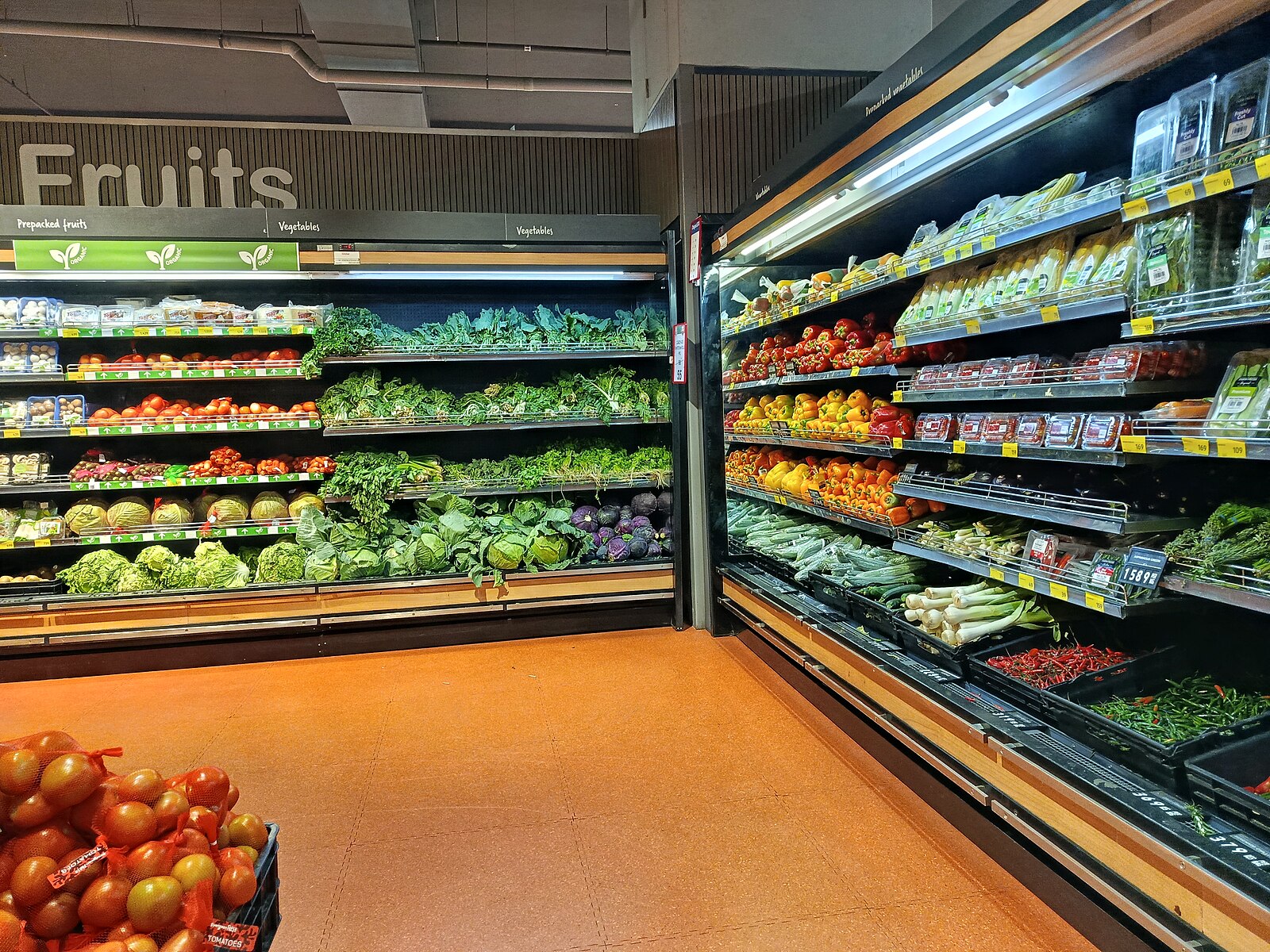
Quickmart Kenya has set out how it pays for growth, ahead of a proposed Nairobi listing. The answer is internal cash and supplier credit rather than bank debt.
How Quickmart Kenya pays for new stores
The chain opens between ten and fifteen stores a year. It says that expansion is funded primarily through internally generated cash.
The second source is its suppliers. They finance stock and working capital in place of bank borrowing.
That is a specific and narrow claim. It is about how inventory is carried, not about growth being free.
More than 700 suppliers deal with the chain. Direct delivery and trade terms keep the capital requirement down.
It is a common model in grocery retail worldwide. What varies is how long the retailer takes to pay.
Why the model matters in Kenya
Kenyan retail has a history of failure. Nakumatt and Tuskys both went under after expanding on debt and delaying supplier payments.
In both cases suppliers were the unsecured creditors who lost most. That memory shapes how the sector reads any growth story.
So a chain that says suppliers fund its stock is making a claim that cuts two ways. It is efficient, and it concentrates risk on the same people.
The company says it pays on time. That assertion is central to the model and has not been independently verified.
Anyone weighing the business should want evidence on it. Payment terms are the difference between efficiency and a squeeze.
The numbers behind it
Revenue in 2025 was 50.4 billion shillings, about US$389 million. Adjusted profit after tax was 1.7 billion shillings, about US$13 million.
The statutory figure is lower. Reported net profit was 1.51 billion shillings, about US$11.7 million.
First-half revenue in 2026 reached 27.3 billion shillings, about US$211 million. That is ahead of the same period last year.
The chain employs more than 8,000 people. It handles roughly 5 million customer transactions a month.
Its stated target is more than 100 stores. That is a further 30 or so at the current pace.
What the listing would actually do
The seller is not Quickmart itself. It is Sokoni Retail Kenya, the sole shareholder, which is controlled by the Mauritius-based Adenia Partners.
Sokoni proposes to sell 2 billion existing shares, half of the 4 billion issued. No new capital would be raised for the business.
An over-allotment of up to 15 percent could reduce Sokoni’s remaining holding to about 42.5 percent. The listed entity would be Quick Mart PLC.
This is a private equity exit rather than a fundraising. That distinction changes what the proceeds are for.
Nothing is approved yet
Neither the Capital Markets Authority nor the Nairobi Securities Exchange has approved the offer. No offer price has been published.
The company has said the offer is expected to open around the end of September 2026. That timing has not been confirmed by the regulator.
Reported valuation talk has ranged from 25.5 billion to 34 billion shillings, about US$197 million to US$263 million. Those are estimates, not a price.
Until a prospectus is approved, none of this is investable. It is an intention to float.
We reported the same caution on 24 September. Nothing has changed since on the approval.
What it would mean for Kenyan investors
The Nairobi exchange has had few large new listings in a decade. A retailer of this size would be a notable addition.
Quickmart has indicated a dividend payout target of about 80 percent of earnings. It has suggested a first dividend in the first half of 2027.
For ordinary savers, the appeal is a business they use rather than one they read about. That is rare on the exchange.
The risk is the same as the model. A chain that leans on supplier credit is exposed if those terms tighten.
What is not yet known
The offer price is unknown. So is the final size, after any over-allotment.
No regulatory approval has been granted. The timetable depends on it.
The company’s payment terms with suppliers have not been published. That detail is the model’s load-bearing wall.
Whether Adenia intends to sell further down after listing is also unstated. Its remaining stake would be substantial.
FAQ
How does Quickmart Kenya fund its growth?
Mainly from internally generated cash, with suppliers financing stock and working capital rather than banks. It opens ten to fifteen stores a year.
Who is selling shares in the proposed listing?
Sokoni Retail Kenya, the sole shareholder, controlled by Adenia Partners. It proposes to sell 2 billion existing shares, half the company.
Has the listing been approved?
No. Neither the Capital Markets Authority nor the Nairobi Securities Exchange has approved it, and no offer price has been published.
How big is Quickmart?
It runs 72 stores across 16 counties, 35 of them open around the clock, and employs more than 8,000 people. Revenue was about US$389 million in 2025.
Sources: Business Daily on the growth model; Eastleigh Voice and The Star on the proposed listing; Capital FM on the financial figures.
This article was produced by The Rio Times’ automated newsroom system. How we use AI · Report an error
LatAm Markets: Live Signals → — real-time movers, turnover leaders and FX across Latin America.
Read More from The Rio Times