State Ownership Versus Market Forces: What’s Next for Cemig, Copasa, and RD Saúde?
In 2024, Brazil’s relationship with public companies lays bare the hard choices between state debt, market efficiency, and control.
Official data and reports show how Cemig, Copasa, and RD Saúde each sit at the heart of these tough decisions—putting both their futures and broader economic trends on display.
Cemig: State Electric Utility Caught in the Crosshairs of Debt and Politics
Cemig, one of Brazil’s largest power firms, faces a unique situation. The government of the state of Minas Gerais owes R$165 billion ($29 billion) to the federal government.
To reduce this debt, Minas Gerais may transfer its shares in Cemig to federal control. This is not a sale in the market, but more of a debt swap. The state owns just over half of Cemig, which itself is worth about R$33.4 billion ($5.86 billion).
This big step would involve federal and state lawmakers, analysts, and market regulators. Few in Brazil have ever seen public companies change hands like this.
It is still an open question whether the federal government, which has not directly managed power utilities in this way, can run the business as well or better than the state.
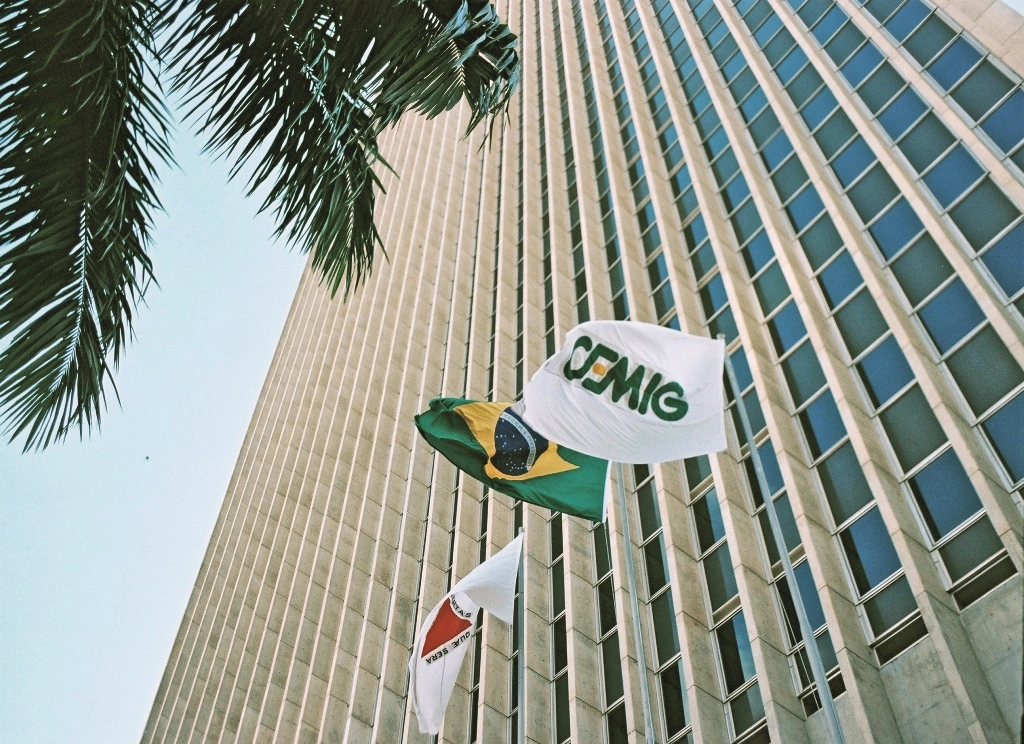
Many experts warn that if Cemig becomes a federal entity, its efficiency could slip. Most utility privatizations in Brazil so far have led to better performance, and some see this move as a step backwards.
Meanwhile, Cemig is investing R$39.2 billion ($6.88 billion) over five years to modernize Brazil’s energy infrastructure. But its owners and leaders cannot plan with confidence, knowing political forces may soon decide the company’s future far above their heads.
Copasa: Municipal Power Struggles Cloud the Path Ahead
Copasa, the main water and sanitation provider for Minas Gerais, confronts even murkier waters. The state government owns just above 50% of Copasa, with the rest spread across many small investors, both Brazilian and foreign.
As with Cemig, the state is considering using its shares in Copasa to reduce its massive debt. Copasa’s finances show both strengths and strains.
In the second quarter of 2024, Copasa reported R$289.4 million ($51 million) in net profit, a drop of 11% from the year before. Its operational income (EBITDA) was R$682.1 million ($120 million), with costs and expenses excluding depreciation hitting R$1.04 billion ($183 million).
These numbers tell a story of strong cash generation, but also rising costs and shrinking margins. Yet Copasa’s story is not just about numbers. According to Brazil’s Constitution, each city controls water services—not the state or the federal government.
Copasa’s 642 contracts with municipalities underpin its business, and if the company is transferred to the federal government, every city would need to approve the deal. This could mean endless debates, legal action, or cities leaving Copasa to set up their own utilities.
With a R$9.8 billion ($1.72 billion) modernization plan running through 2028 and a steady 50% dividend payout, Copasa tries to run as a modern business.
But its very structure may soon be upended by politics—an outcome that could leave customers, investors, and local leaders juggling new risks and headaches.
RD Saúde: Retail Giant Balances Discipline Against Margin Pressures
RD Saúde, parent to two of Brazil’s biggest pharmacy chains, faces a world apart from the hazy government negotiations at Cemig and Copasa.
RD Saúde runs over 2,300 stores in 24 states. In 2024, it posted a net profit of R$348.4 million ($61 million) in the second quarter, keeping steady year-over-year.
Its adjusted operational profit hit R$824.4 million ($145 million), showing resilience amid rising costs, increased competition, and tax changes. Unlike the utilities, RD Saúde fights for every customer in Brazil’s cutthroat pharmacy market.
Its shares dropped 32% over the year, reflecting fears about online competition and slimmer margins. Analysts point to RD Saúde’s strict cost controls and operational discipline as the reason it still leads in market share.
The next chapter in this story could be written by pharmaceutical patents. When the patent for blockbuster diabetes drug Ozempic expires in 2025, generic versions will reach the market, potentially boosting pharmacy sales.
RD Saúde is preparing its network and digital marketplace—now with more than 80,000 products—to seize the opportunities. Behind the official results, RD Saúde’s approach stands out: it relies on steady management and staying agile, rather than seeking savior deals or political solutions.
Live Company IntelligenceRaia Drogasil S.A — the full investor dossier
Valuation & profitability
Price & risk
$16.1052-wk high
$27.13
Revenue trend · 6y
Ownership
Dividend
This article was produced by The Rio Times’ automated newsroom system. How we use AI · Report an error · Editorial responsibility: Matthias Camenzind, Editor-in-Chief
LatAm Markets: Live Signals → — real-time movers, turnover leaders and FX across Latin America.