Brazil · Politics
Key Facts
—Summit date Presidents Lee Jae-myung and Luiz Inácio Lula da Silva meet in Brasília on July 27, 2026.
—Core agenda Critical minerals, rare earths, energy transition, and supply chain cooperation top the talks.
—Strategic framework The visit follows a February 2026 upgrade to a strategic partnership and a 2026-2029 action plan.
—Defense inspection Lee inspected an Embraer C-390 transport aircraft; South Korea has a reported 883 billion won (~US$692 million) procurement.
—Business roundtable A Korea-Brazil business roundtable is scheduled in São Paulo after the Brasília summit.
South Korea Brazil visit diplomacy kicked off in Brasília as President Lee Jae-myung arrived for a state visit squarely focused on locking in access to Latin America’s vast reserves of critical minerals and rare earths.
South Korea Brazil visit: A Strategic Partnership Put to Work
President Lee’s arrival on July 27, 2026, marks the first state visit since the two nations elevated their relationship. They upgraded ties to a strategic partnership in February 2026 during a summit in Seoul.
That earlier meeting produced a 2026-2029 action plan. It covers the economy, critical minerals, the energy transition, health, science and technology, trade, and investment.
The Brasília summit aims to turn that broad framework into concrete economic outcomes. A joint press announcement and the signing of a memorandum of understanding are expected.
For foreign investors watching Latin America, the visit signals that Brazil’s role in non-Chinese critical mineral supply chains is accelerating. South Korea’s chip and battery giants need secure, diversified sources of rare earths and lithium.
The Critical Minerals Imperative
Seoul’s push is driven by an urgent industrial need. South Korean conglomerates are major players in electric vehicle batteries and advanced electronics, both heavily dependent on processed critical minerals.
Brazil holds some of the world’s largest reserves of niobium, graphite, and rare earth elements. It is also a growing producer of lithium, a cornerstone of the energy transition.
The South Korea Brazil visit is expected to produce agreements that streamline investment and joint exploration. Korean news agency Yonhap reports the trip is explicitly designed to secure supply chains.
No specific new US-dollar investment figures from the summit have been confirmed yet. However, the strategic partnership action plan already sets a framework for cooperation in mining and processing.
Defense Diplomacy and the Embraer Inspection
Upon arrival in Brasília, President Lee inspected an Embraer C-390 Millennium transport aircraft. The move highlights a parallel track in the bilateral relationship: defense procurement.
South Korea’s Air Force is acquiring three C-390 aircraft in a deal reported by Korean outlets to be worth 883 billion won (~US$692 million). The C-390 is a medium-lift military transport plane built by Brazilian aerospace group Embraer.
Brazilian media have claimed the inspection coincides with the delivery of South Korea’s first KC-390. This detail remains unconfirmed by official sources and should be treated as a Brazilian press report.
The defense link adds a layer of high-tech industrial cooperation. It demonstrates that the relationship extends beyond raw materials into advanced manufacturing and technology sharing.
Beyond Brasília: The São Paulo Business Roundtable
After the political summit in the capital, the focus shifts to Brazil’s economic heartland. A Korea-Brazil business roundtable is scheduled in São Paulo.
São Paulo is the headquarters for much of Brazil’s mining, agribusiness, and industrial capacity. The roundtable will connect Korean buyers and investors directly with Brazilian suppliers and project developers.
The format mirrors Korea’s economic diplomacy playbook. It moves from government-to-government agreements to commercial deal-making, a pattern familiar to expat investors tracking emerging market trade flows.
While the final list of agreements signed on July 27 is not yet public, the São Paulo event is where specific joint ventures and offtake agreements are most likely to be teased or announced.
A Wider Latin American Swing
The South Korea Brazil visit is the centerpiece of a larger regional tour. President Lee’s itinerary also includes stops in Chile, Argentina, and the United States, as well as Germany.
Chile and Argentina are both key players in the global lithium triangle. The back-to-back visits highlight that securing South American mineral resources is a top-tier national priority for Seoul.
In February, the two leaders also agreed to revive trade talks between South Korea and Mercosur, the South American trade bloc. A deal would give Korean manufacturers tariff-free access to a market of over 260 million people.
For expats and international observers, the sequence of summits confirms that the competition for Latin America’s critical minerals is no longer a future scenario. It is the driving force behind a rapid realignment of trade diplomacy.
Frequently Asked Questions
Why is South Korea’s president visiting Brazil in 2026?
President Lee Jae-myung is visiting to secure access to critical minerals and rare earths for South Korea’s tech and battery industries, and to turn a newly signed strategic partnership into concrete trade and investment deals.
What critical minerals does Brazil have that South Korea needs?
Brazil has large reserves of niobium, graphite, rare earth elements, and a growing lithium output. These are essential for electric vehicle batteries, semiconductors, and advanced electronics made by Korean firms.
Did South Korea buy military aircraft from Brazil?
Yes. South Korea is procuring three Embraer C-390 Millennium transport aircraft in a deal reported to be worth 883 billion won (~US$692 million).
President Lee inspected the aircraft upon arrival in Brasília.
Connected Coverage
Rumo Malha Sul Rail Concession Hearing Set for Curitiba
China-Mercosur Trade Deal Fast-Tracked Amid US Tariff Pressure
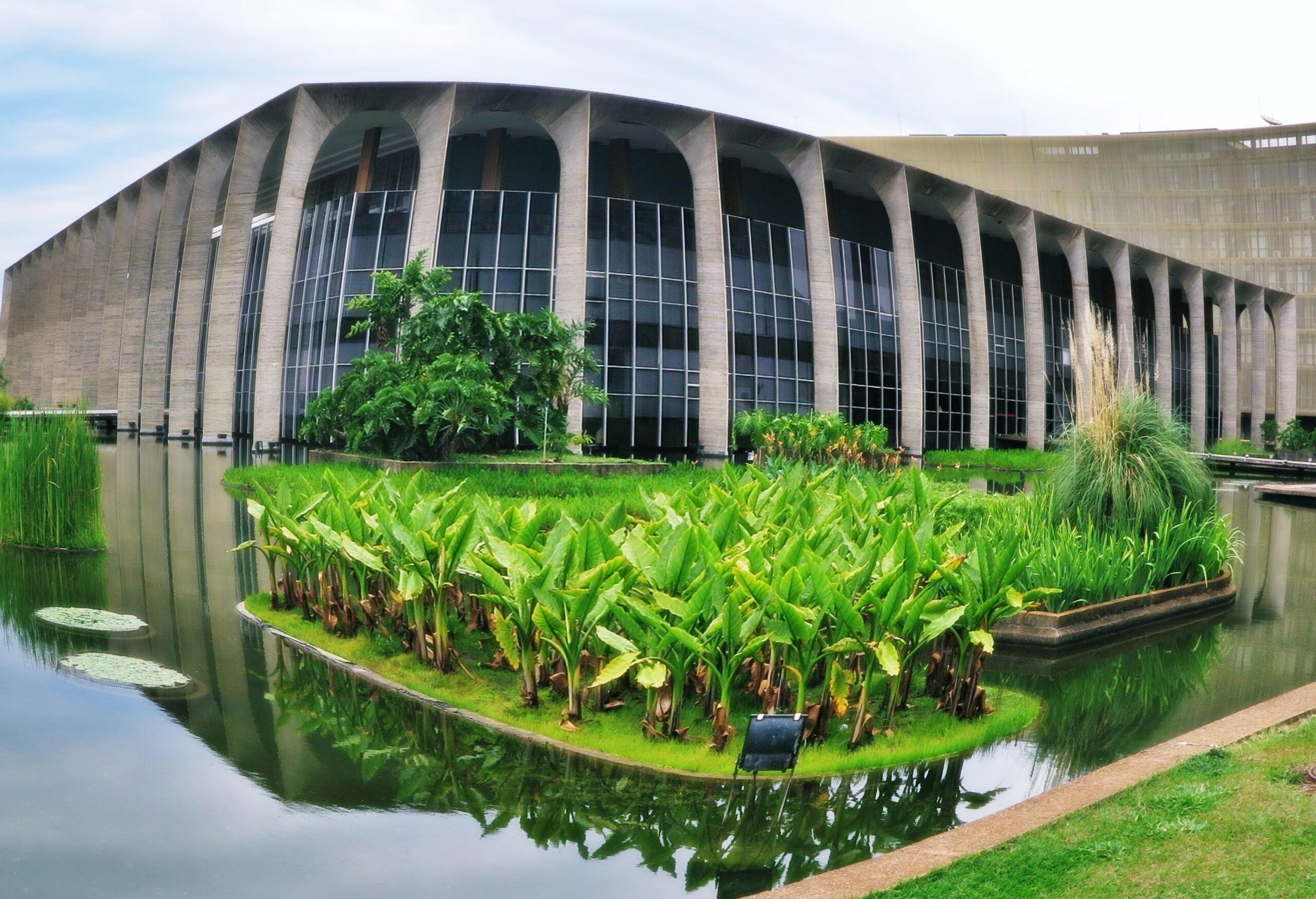
Sources: Itamaraty Palace, Brazil's foreign ministry.
This article was drafted with automated assistance and reviewed before publication. How we use AI · Report an error · Editorial responsibility: Matthias Camenzind, Editor-in-Chief
Brazil runoff, Sunday, October 25: Brazil runoff: date, poll closing times and when results start. Latest: Brazil runoff polls, Flávio 51%, Lula 49%.