South Africa Left the Grey List and Its Bank Regulator Has Not Fined Anyone Since
SOUTH AFRICA · FINANCE
Key Facts
- —The silence The Prudential Authority has published no administrative sanction in 2026. Its last entry is dated 20 June 2025.
- —The grey list The country left the international watchdog’s grey list on 24 October 2025, after 32 months.
- —The big fine Capitec was fined about US$3.49 million on 20 December 2024, the largest recent penalty.
- —The other case Ninety One Fund Managers was fined about US$186,000 in May 2025 by the conduct regulator.
- —Where it moved Three small advisers were sanctioned on 9 September 2026 for sums between US$6,200 and US$27,900.
- —The catch No rand figure published this year comes close to the bank fines of 2024 and 2025.
The regulator that fined Capitec about US$3.49 million in 2024 has published nothing this year. Enforcement has not stopped, but it has moved to the smallest firms in the market.
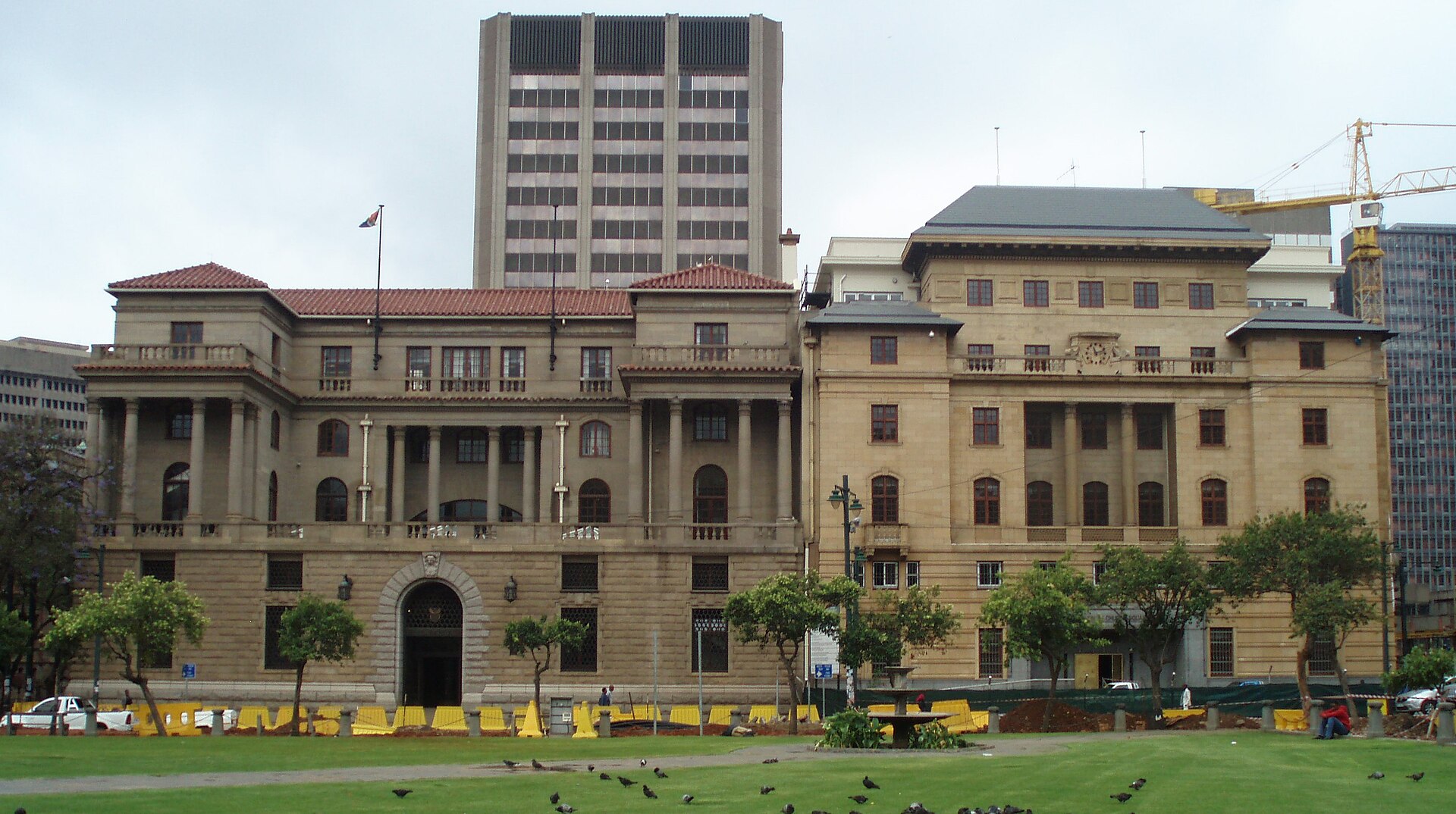
South Africa left the international money-laundering watchdog’s grey list on 24 October 2025. Since then the banking regulator has published no penalty against any bank at all.
The Prudential Authority maintains a public register of administrative sanctions. The most recent entry on it is dated 20 June 2025 and names Bank of Taiwan, Citibank and HBZ Bank.
There is no 2026 entry. That is the whole of the record for the first eight and a half months of the year.
This is not the same as saying nothing has happened. Enforcement has continued elsewhere in the system, but it has moved down the size scale sharply.
What the Register Actually Shows
The largest recent case remains Capitec. The Prudential Authority fined the bank 56.25 million rand, about US$3.49 million, on 20 December 2024.
Of that, 10.5 million rand or some US$651,000 was conditionally suspended for 36 months. The suspension ran from 30 July 2024.
The findings covered customer due diligence and late reporting of cash and suspicious transactions. They also covered failures to act on transaction-monitoring alerts within 48 hours.
A further finding concerned the bank’s own risk management and compliance programme. All of it fell under the anti-money-laundering statute.
They arose from inspections carried out in May 2021 and March 2022, covering the years from 2017 to 2022. Capitec said in January 2025 that it was cooperating with the authority.
The other case commonly cited alongside it is different in kind. It came from the conduct authority, which supervises market conduct rather than banks.
That body fined Ninety One Fund Managers 3 million rand, about US$186,000, on 8 May 2025.
Of that, 500,000 rand or about US$31,000 was suspended for three years on condition of full remediation. The entity sanctioned was the local fund management subsidiary, not the listed group.

A Quotation Worth Getting Right
One line from that case circulates widely and is usually attributed to the wrong party. It is the statement that there were no findings of money laundering, client misconduct or financial harm.
The conduct authority did not say that. The words come from Ninety One’s own responding statement.
The company added that no loss or prejudice was caused to any client at any time. That is its characterisation, not a regulatory finding.
The regulator’s own release contains no such finding either way. The distinction matters, because a company’s exculpatory characterisation of its own case is not a regulator’s conclusion.
Where Enforcement Went Instead
The conduct authority acted on 9 September 2026 against three financial services providers. Mmela Financial Services was fined 450,000 rand, about US$27,900, with half suspended for three years.
Mbuli Finance was fined 220,000 rand, some US$13,600, and Sithembile Holdings 100,000 rand or about US$6,200. All three concerned compliance failures under the same anti-money-laundering statute.
Separately, the Reserve Bank’s financial surveillance arm fined Southeast Exchange Company 600,000 rand on 9 July 2026, roughly US$37,200. None of it was suspended, and the firm is a foreign exchange dealer rather than a bank.
Those four actions are the sum of published anti-money-laundering enforcement in 2026. The largest of them is about a hundredth of the Capitec penalty.
Why the Grey List Exit Matters Here
The country was added to the grey list in February 2023 with 22 identified deficiencies. It came off on 24 October 2025, after an on-site assessment in July of that year.
Grey listing is not a sanction. It is a signal to banks elsewhere that transactions involving the country warrant extra scrutiny, which raises costs across the financial system.
Anyone still describing the country as grey listed is working from information nearly a year out of date. That includes a good deal of published guidance for foreign businesses.
The uncomfortable question is what the enforcement record looks like on the other side of the exit. On the published evidence, bank-level penalties stopped at the same time the pressure did.
What This Does Not Prove
An empty register is not proof of an empty pipeline. Investigations take years.
The Capitec case shows the gap plainly. Inspections in 2021 and 2022 produced a penalty at the end of 2024.
Sanctions are also published when they are concluded, not when they are begun. A case opened in 2025 might not surface until 2027 or later.
There is a second possibility, which is that the banks have improved. The remediation programmes that followed the 2023 listing were substantial and were part of what satisfied the assessors.
Both explanations are consistent with the record. One claim is not.
It has circulated this year that a major bank was fined tens of millions of rand in 2026. Nothing in the published record supports it.
No such sanction appears on any regulator’s register. No listed bank has filed a stock exchange announcement disclosing one, which it would be required to do.
What to Watch
The next published sanction from the Prudential Authority will be the first test. Its size, and whether it lands on a large bank or a small one, will say more than any statement of intent.
The conduct authority’s tempo is the other indicator. Three actions in a single day in September suggests a working pipeline at the small end of the market.
For foreign businesses the practical effect of the grey list exit is already visible. Correspondent banking checks are lighter and the country premium on due diligence has narrowed.
Whether that lasts depends on the next mutual evaluation rather than on the last one. The record between now and then is what will be read.
More: Africa news in English, every day from The Rio Times.
Frequently Asked Questions
Is South Africa still on the FATF grey list?
No. The country was listed in February 2023 and removed on 24 October 2025 after addressing 22 identified deficiencies.
Has the Prudential Authority fined any bank in 2026?
No. Its published register of administrative sanctions contains no 2026 entry, and the most recent one is dated 20 June 2025.
What was Capitec fined?
56.25 million rand, about US$3.49 million, on 20 December 2024. Of that, 10.5 million rand or some US$651,000 was conditionally suspended.
What happened in the Ninety One case?
The conduct authority fined the local fund management subsidiary 3 million rand, about US$186,000, in May 2025. Some US$31,000 of it was suspended.
Who has been sanctioned in 2026?
Three small financial services providers on 9 September, and a foreign exchange dealer in July. The largest was about US$37,200.
Sources: South African Reserve Bank Prudential Authority administrative sanctions register, SARB media releases, Financial Sector Conduct Authority, National Treasury, Financial Intelligence Centre, Capitec.
This article was produced by The Rio Times’ automated newsroom system. How we use AI · Report an error
LatAm Markets: Live Signals → — real-time movers, turnover leaders and FX across Latin America.
Read More from The Rio Times