A Hundred-Year Concession Over 17 Venezuelan Oil Fields
VENEZUELA · ANALYSIS
Key Facts
- —The structure One hundred-year concessions over 17 oil fields, announced 28 to 29 August 2026.
- —The vehicle North American Blue Energy Partners, owned by the Venezuelan businessman Alejandro Betancourt.
- —The stake The United States Department of Defense holds 35% of the company.
- —The supply term Venezuela supplies 20% of the venture’s output to the United States at cost.
- —The projections 1.5 million barrels a day and around US$209 billion to the Venezuelan treasury over 25 years.
- —What is missing No contract text has been published, and the transparency portal has not been updated since March 2026.
A hundred-year concession is longer than any Venezuela granted in the oil century that made it. The terms are known from briefings, not from a document.
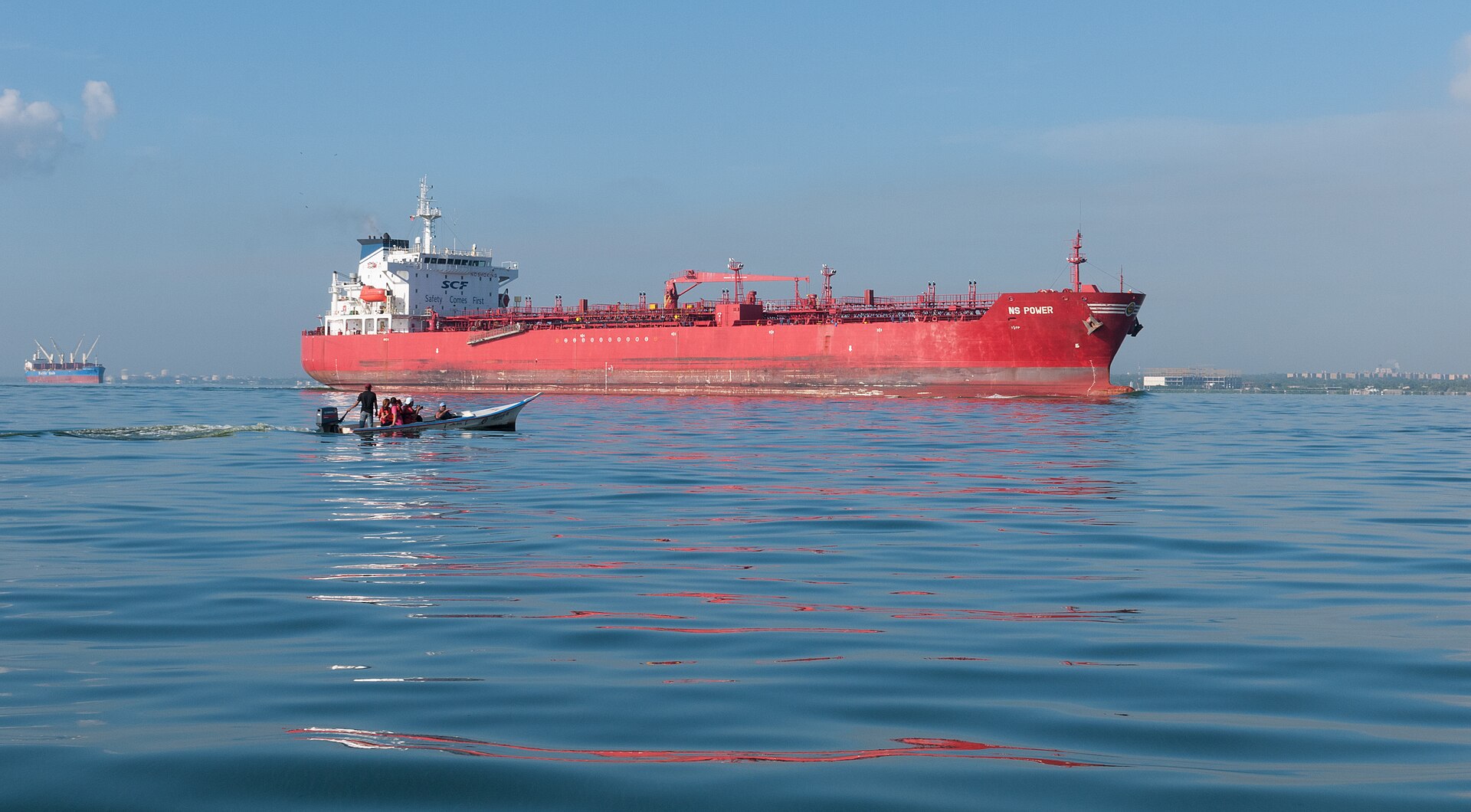
The oil arrangement between the United States and Venezuela announced in late August covers 17 fields under hundred-year concessions, held through a private company in which the United States Department of Defense owns 35%, with terms disclosed through briefings rather than a published contract.
What the Arrangement Is
President Trump announced the agreement on 28 and 29 August 2026. The structure was filled in by the White House in the days that followed: hundred-year concessions over 17 oil fields, a term without precedent in Venezuelan history. The longest previously granted ran 50 years, awarded in 1907.
The vehicle is North American Blue Energy Partners, a joint United States and Venezuelan private company owned by the Venezuelan businessman Alejandro Betancourt, who has previously been the subject of money-laundering investigations and scrutiny over Chávez-era electricity contracts.
The United States Department of Defense holds a 35% stake in the company. Venezuela is to supply 20% of the venture’s output to the United States at cost.
The Numbers Being Projected
The stated targets are production of 1.5 million barrels a day and around US$209 billion to the Venezuelan treasury over 25 years, with roughly US$100 billion of private investment, a figure attributed to Secretary of State Marco Rubio.
Venezuela currently produces about 1.2 million barrels a day in total, so 1.5 million from these fields alone would require a transformation of the industry rather than an improvement in it.
What the Twenty Percent at Cost Means
The economist Francisco Rodríguez has put the supply term in concrete figures. Speaking on the programme Claves Democráticas on 9 September, he said Venezuela is giving the United States 20% of production from 17 fields and selling those barrels at cost.
He costed that at roughly US$40 a barrel against a market price near US$70, which implies a transfer of about US$30 on every barrel supplied under the term.
In his earlier set of questions to acting President Delcy Rodríguez, published on 30 August, he was more cautious, describing the 20% as reported by international media and asking whether it applies to incremental or to current output and whether royalties are waived.
Francisco Rodríguez holds a Harvard doctorate and formerly headed Venezuela’s congressional budget office. He is now at the University of Denver and the Center for Economic and Policy Research, and he is a longstanding critic of the government rather than a neutral observer.
The Constitutional Question
Rodríguez invokes Article 150 of the Venezuelan constitution, which requires National Assembly approval for contracts of national public interest. Whether that approval has been given or sought is not established.
No contract text has been published. Venezuela’s government transparency portal has not been updated since March 2026, which means the terms are known only from what the White House has described.
That is the central weakness in any assessment of the deal. Everything above is a briefing, and a briefing is not an instrument.
The Political Argument
A line of analysis holds that the arrangement strengthens the position of Delcy Rodríguez and reduces the likelihood of political change, by giving Washington an economic stake in the current authorities remaining in place.
That argument has appeared in Foreign Policy, on NPR and in Bloomberg commentary. It is an interpretation held by named analysts rather than a consensus finding, and The Rio Times presents it as such.
Rodríguez’s own framing is blunter. He has said no Venezuelan government would have entered this deal unless the country had been subject to an invasion and its authorities held at gunpoint.
Who Holds Power
Delcy Rodríguez has exercised executive power since 5 January 2026, designated on 3 January and sworn in two days later, following United States strikes on 3 January and the capture of Nicolás Maduro.
Her title is contested. She is described variously as interim president, acting president and presidenta encargada, and both she and Maduro maintain that Maduro remains the legal officeholder. The Rio Times uses acting president with that caveat attached.
More: Venezuela news in English, every day from The Rio Times.
Frequently Asked Questions
What does the deal cover?
Hundred-year concessions over 17 Venezuelan oil fields, announced 28 to 29 August 2026.
Who holds the concessions?
North American Blue Energy Partners, owned by Alejandro Betancourt, with a 35% stake held by the US Department of Defense.
What is the supply term?
Venezuela supplies 20% of the venture’s output to the United States at cost.
What does that cost?
Francisco Rodríguez estimates around US$40 a barrel against a market price near US$70, a transfer of about US$30 a barrel.
Has the contract been published?
No. The terms are known from White House briefings, and Venezuela’s transparency portal has not been updated since March 2026.
Who is acting president?
Delcy Rodríguez, since 5 January 2026. The title is contested and both she and Maduro maintain he remains the legal officeholder.
Sources: Truthout, NBC News, Efecto Cocuyo, La Nación Web, Foreign Policy.
This article was drafted with automated assistance and reviewed before publication. How we use AI · Report an error
Read More from The Rio Times