Slim Blasts Moody’s Mexico Downgrade as T-MEC Review Tests Exporter Liquidity

Mexico · Economy
Key Facts
—Downgrade. Moody’s cut Mexico’s sovereign rating to Baa3, the lowest investment-grade rung, on May 20, 2026.
—Slim’s rebuke. Billionaire Carlos Slim called the downgrade “irrational” on May 26, arguing agencies overlook real investment flows.
—T-MEC review. The 2026 joint review of the trade pact is underway, with some outlets reporting a focus on exporter liquidity.
—Fiscal pressure. Moody’s cited persistent fiscal weakness and slowing tax-revenue growth as drivers behind the one-notch cut.
—Outlook stable. The agency moved Mexico’s outlook from negative to stable, signalling no further downgrade is imminent.
Carlos Slim has branded Moody’s decision to cut Mexico’s sovereign rating to the precipice of junk “irrational,” just as the 2026 T-MEC joint review sharpens its focus on the liquidity pressures facing Mexican exporters.
Moody’s pulls Mexico to the edge of investment grade
On May 20, 2026, Moody’s Ratings lowered Mexico’s long-term sovereign credit rating by one notch, from Baa2 to Baa3, leaving the country at the very last rung of investment grade. The agency simultaneously shifted the outlook to stable from negative, a signal that it does not expect to push Mexico into speculative territory in the near term.
The downgrade was driven by what Moody’s described as entrenched fiscal weakness, sluggish tax-revenue growth, and a growth trajectory that consistently underperforms the country’s potential. For international bondholders, a Baa3 rating means Mexico’s sovereign debt remains eligible for inclusion in major investment-grade indices, but the margin for error has effectively vanished.
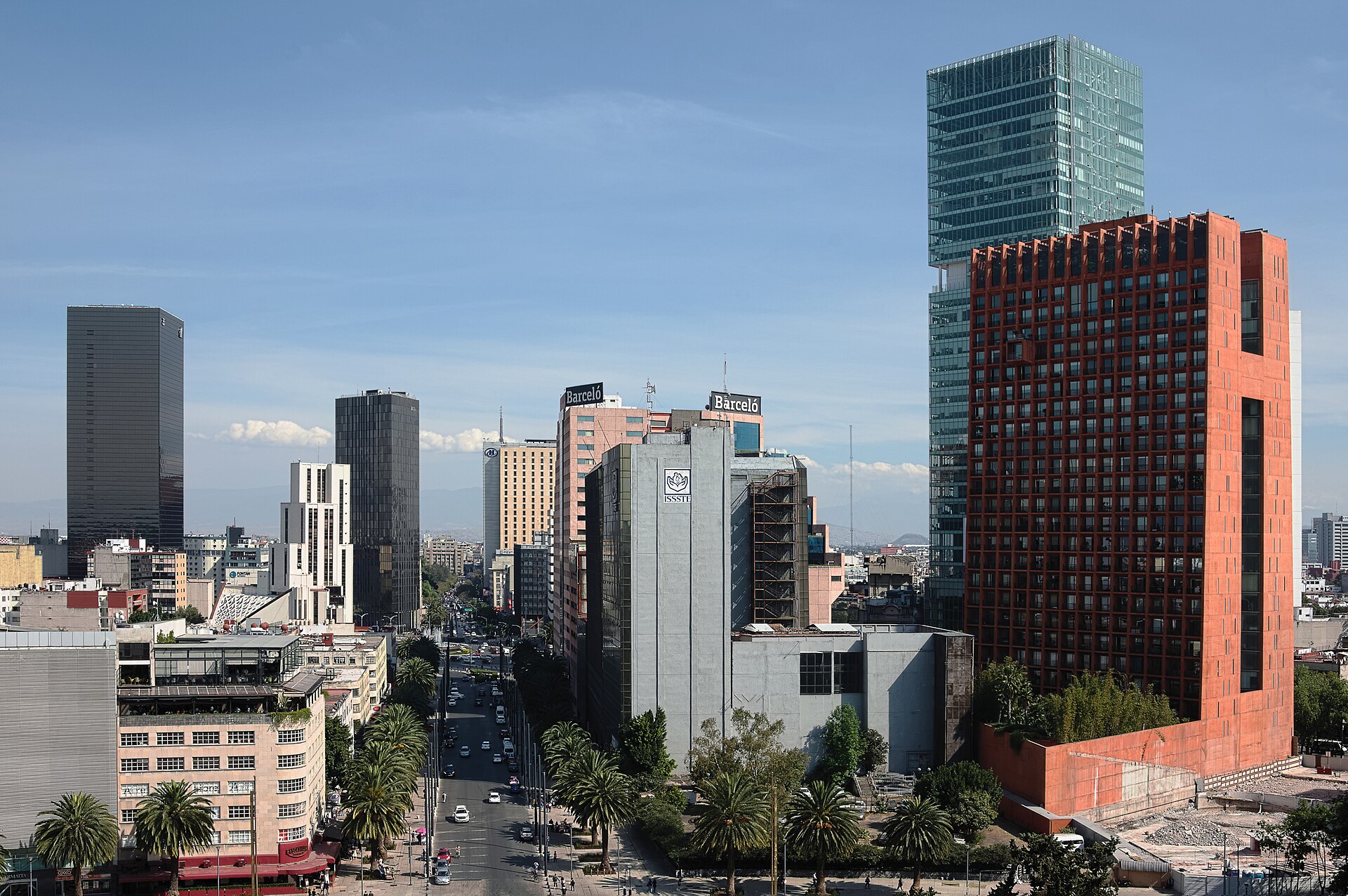
Slim calls the Mexico downgrade irrational and short-sighted
Speaking publicly on May 26, Carlos Slim, Mexico’s wealthiest individual and the controlling shareholder of América Móvil and Grupo Carso, dismissed the rating action as “irracional.” He argued that ratings agencies consistently fail to weigh the real economy, pointing to the volume of capital currently being deployed in Mexican infrastructure, telecommunications, and manufacturing.
Slim acknowledged that the downgrade has consequences for financing perceptions but insisted it did not worry him personally. His intervention matters because it reflects a broader frustration inside Mexico’s business elite: the view that global gatekeepers of credit are undervaluing the structural transformation underway, particularly the nearshoring wave that has funnelled billions of dollars into northern industrial corridors.
The T-MEC review and the exporter liquidity question
The 2026 joint review of the T-MEC trade pact, mandated by the agreement’s sunset clause, is now formally underway. While official communiqués from the three governments have been sparse, several outlets have reported that the review is turning its attention to exporter liquidity — the ability of Mexican manufacturers and agricultural producers to access working capital and trade finance in a tightening global credit environment.
This focus, if confirmed, would represent a significant shift in the review’s traditional emphasis on rules of origin, labour provisions, and dispute-resolution mechanisms. For the thousands of small and medium-sized exporters that form the backbone of Mexico’s integration with United States and Canadian supply chains, liquidity constraints can quickly translate into lost contracts and idle assembly lines.
What the downgrade means for investors and expats
For foreign investors holding Mexican government bonds, the immediate impact is a repricing of risk that pushes yields marginally higher, though the stable outlook has prevented a rout. Corporate borrowers with strong balance sheets, including Slim’s own América Móvil, are likely to retain access to international capital markets at reasonable spreads, but smaller firms without an investment-grade cushion may find dollar-denominated credit more expensive.
Expats and professionals living in Mexico face a more nuanced picture. A sovereign rating one notch above junk does not directly alter day-to-day life, but it can feed into a weaker peso over time, eroding the purchasing power of foreign-currency income and making imported goods pricier.
The Latin America read-through: a region watching Mexico’s next move
Mexico’s downgrade reverberates across Latin America because the country has long been the region’s most reliable large investment-grade sovereign, a benchmark against which Brazil, Colombia, and Chile are measured. A further slip into speculative grade — though not Moody’s base case — would reshape the universe of funds mandated to hold Latin American debt and could trigger a broader repricing of regional risk.
The T-MEC review adds another layer of complexity. If the three North American economies use the review to strengthen trade-finance mechanisms and ease liquidity bottlenecks, Mexico could emerge with a more resilient export sector, partially offsetting the negative signal from Moody’s.
What to watch in the months ahead
The next milestone is the Mexican government’s mid-year fiscal update, which will reveal whether tax revenues are recovering sufficiently to ease the pressure that Moody’s identified. Investors should also monitor any joint statement from the T-MEC review parties, particularly language around trade finance and exporter support programmes.
Slim’s public criticism of Moody’s is unlikely to shift the rating in the short term, but it signals that Mexico’s private sector intends to push back forcefully against what it sees as an overly pessimistic assessment. For a country that has bet its economic future on integration with North America, the convergence of a downgrade and a trade-pact review makes the second half of 2026 one of the most consequential periods in recent memory.
More: Latin America news in English, every day from The Rio Times.
Frequently Asked Questions
Why did Moody’s downgrade Mexico’s credit rating in May 2026?
Moody’s cited persistent fiscal weakness, slowing tax-revenue growth, and an economic expansion that consistently trails the country’s potential. The agency cut the rating one notch to Baa3, the lowest investment-grade level, while moving the outlook to stable.
What did Carlos Slim say about the Mexico downgrade?
On May 26, 2026, Slim called the downgrade “irrational,” arguing that ratings agencies do not adequately consider real investment flows and the use of capital in Mexico. He acknowledged the move affects financing perceptions but said it did not worry him personally.
How does the T-MEC review affect Mexican exporters?
The 2026 joint review of the trade pact is examining, among other issues, the liquidity pressures facing Mexican exporters, according to several reports. Tighter global credit conditions could make it harder for small and medium-sized exporters to finance operations, a concern that may feature in the review’s recommendations.
Connected Coverage
This article was produced by The Rio Times’ automated newsroom system. How we use AI · Report an error · Editorial responsibility: Matthias Camenzind, Editor-in-Chief
In depth