Sheinbaum’s $9.8B Hospital Plan to Add 9,139 Beds by 2030
Mexico · Politics
Key Facts
—Total investment. MX$181 billion (approx. US$9.8 billion) committed through 2030.
—Bed target. 9,139 new beds across 152 hospital projects by September 2030.
—Project breakdown. 50 new hospitals, 47 expansions, and 55 replacements or major improvements.
—Progress to date. 30 projects completed by July 2026, adding 1,474 beds.
—Year-end goal. 2,637 beds operational by end-2026, about 29% of the six-year target.
President Claudia Sheinbaum’s Sheinbaum hospitals plan, officially the National Hospital Infrastructure Plan 2024-2030, commits roughly MX$181 billion (US$9.8 billion) to add 9,139 new public hospital beds through 152 projects by September 2030.
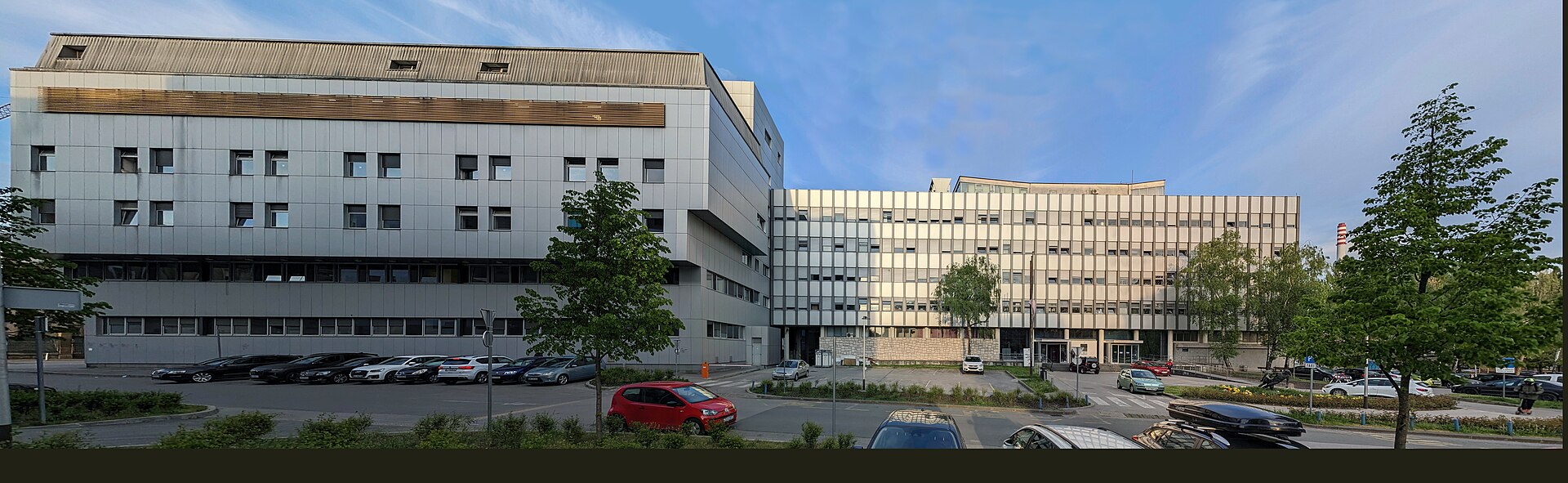
What the Sheinbaum Hospitals Plan Promises
The initiative aims to lift Mexico’s public hospital capacity from 96,966 beds to 106,105 beds within six years. The pipeline includes 50 brand-new hospitals adding 6,364 beds, 47 expansions contributing 1,001 beds, and 55 replacements or major improvements for another 1,774 beds.
The plan spans facilities managed by Mexico’s main public health institutions, including the Mexican Social Security Institute (IMSS), the IMSS-Bienestar program for uninsured populations, and the State Workers’ Social Security Institute (ISSSTE). For foreign residents and investors, these three agencies form the backbone of a public health system that serves the vast majority of Mexican households, meaning any capacity increase directly affects the quality and availability of care across the country.
The IMSS covers formally employed private-sector workers and their families, while ISSSTE serves government employees. IMSS-Bienestar, which was significantly expanded under the previous administration, is now the primary provider for people without traditional social security coverage, often in rural or marginalized areas where private clinics are scarce.
Progress and Timeline Through Mid-2026
By July 2026, the government reported 30 completed projects delivering 1,474 new beds across the three agencies. Another 33 projects remain under construction and are expected to open before the end of this year, adding a further 1,163 beds.
If those timelines hold, roughly 2,637 beds would be operational by December 2026. Officials describe that figure as approximately 29% of the overall six-year target, a pace that would need to accelerate markedly to meet the September 2030 deadline.
For context, completing the remaining 71% of the bed target in the final four years means delivering an average of about 1,625 new beds annually, compared to the roughly 2,637 beds achieved in the first two years. This acceleration assumes that the most complex projects – entirely new hospitals – can move from planning to inauguration faster than what has been observed so far.
Financing Questions Around the Sheinbaum Hospitals Push
Public reporting confirms the headline federal commitment of MX$181 billion, but a detailed funding schedule or budget split by agency has not been disclosed. A related statement noted that IMSS-Bienestar alone has an infrastructure package of MX$46.8 billion (US$2.5 billion) for 87 projects serving uninsured populations.
The available results do not detail whether the financing relies on annual federal budget allocations, bond issuances, or public-private partnerships. Without a line-by-line breakdown, international observers cannot yet assess how spending is phased across the remaining four years.
This opacity matters for investors and rating agencies monitoring Mexico’s fiscal trajectory. Large multi-year infrastructure pledges can pressure sovereign credit metrics if they depend heavily on debt, or they can signal sustained public investment if funded through predictable budget lines.
For expats and business owners who pay into the IMSS system through payroll taxes, the lack of a clear funding map also raises questions about whether future contribution rates might need to adjust to support the ambitious buildout.
Feasibility and Delivery Risks
The current pace is material but front-loaded. With only 30 projects finished by mid-2026, the administration must still complete a large number of new builds, expansions, and replacements before the September 2030 deadline.
The bed target depends on more than construction. Projects must be finished, staffed, equipped, and opened on schedule.
The available data does not provide enough detail to verify whether staffing plans, procurement processes, or annual budgets are sufficient beyond the overall MX$181 billion pledge.
Mexico has a mixed record on mega-infrastructure delivery. The previous administration completed a major new airport for Mexico City but cancelled another mid-construction, illustrating how political will and technical execution can diverge.
For the Sheinbaum hospitals plan, the main test will be whether the government can transition from renovating existing facilities – which accounts for many of the early completions – to building entirely new hospitals on time.
What It Means for Expats, Tourists, and Investors
For the roughly 1.6 million US expats living in Mexico and the millions of tourists who visit annually, public hospital capacity is a practical concern even if they carry private insurance. In a medical emergency, proximity to a functioning public emergency room can be life-saving, particularly in mid-sized cities and coastal communities where private clinics may be limited.
Investors in Mexico’s growing medical tourism and senior-living sectors should watch the plan closely. New or upgraded IMSS and ISSSTE hospitals can ease pressure on private facilities by absorbing more routine care, but they can also compete for specialized staff such as nurses and anesthesiologists, potentially driving up labor costs for private operators.
Additionally, improved public infrastructure in underserved regions can raise property values and make previously remote areas more attractive for residential development. Real estate developers with projects in states like Oaxaca, Chiapas, or Guerrero – where IMSS-Bienestar is the dominant provider – may see a long-term demand boost if hospital access improves.
What Happens Next
The immediate milestone is the end of 2026, when the government expects to have 2,637 beds operational. Hitting that target would require all 33 projects currently under construction to open on schedule, a process that depends on timely equipment installation and staffing hires during the second half of the year.
Looking further ahead, the 2027 federal budget – typically presented to Congress in September 2026 – will offer the first clear signal of whether the Sheinbaum hospitals plan is being funded at the level required to meet the 2030 goal. Analysts will be watching for a detailed line-item breakdown that matches the MX$181 billion headline figure.
For now, the plan represents one of Latin America’s most ambitious public health infrastructure pushes. Its success or failure will shape not only healthcare access for millions of Mexicans but also the broader investment narrative around Mexico’s ability to execute large-scale social infrastructure under the Sheinbaum administration.
More: Latin America news in English, every day from The Rio Times.
Frequently Asked Questions
How many new hospital beds does the Sheinbaum plan promise?
The plan targets 9,139 new beds by September 2030, raising total public hospital capacity from 96,966 to 106,105 beds. These beds are distributed across 152 projects managed by IMSS, IMSS-Bienestar, and ISSSTE, the three main public health agencies in Mexico.
What is the total budget for the Sheinbaum hospitals plan?
The federal government has committed approximately MX$181 billion, which converts to roughly US$9.8 billion at current exchange rates. A detailed year-by-year funding schedule or agency-level breakdown has not yet been made public, though the IMSS-Bienestar program separately reports a MX$46.8 billion (US$2.5 billion) package for 87 of its own projects.
How many projects have been completed so far?
As of July 2026, 30 projects are finished, adding 1,474 beds. Another 33 are under construction and expected to open by the end of 2026, which would bring the total to 2,637 operational beds, or about 29% of the six-year target.
Connected Coverage
Sources: President Claudia Sheinbaum.
This article was produced by The Rio Times’ automated newsroom system. How we use AI · Report an error
Read More from The Rio Times