Sharara Field Shutdown Cuts Libya Output After Armed Group Closes Valve
Libya · ENERGY
Key Facts
- —What happened An armed group closed valve No. 7 on the pipeline from the Sharara field to Zawiya port on 21 September 2026.
- —How much is lost Production at Sharara fell by about 200,000 barrels a day, from roughly 300,000 to about 100,000, Reuters reported.
- —The catch The National Oil Corporation says it may declare force majeure, a legal step suspending delivery obligations, if the closure lasts.
- —Who is involved The corporation did not name the group and said appeals to the Petroleum Facilities Guard in the south-west brought no result.
- —The background Guards protesting over pay shut the Hamada-Zawiya pipeline on 15 September 2026, halting the Hamada and Al-Tahara fields and Station NC5.
A Sharara field shutdown has cut output at Libya’s largest field by about 200,000 barrels a day. The National Oil Corporation said an armed group closed a pipeline valve on Monday 21 September 2026.
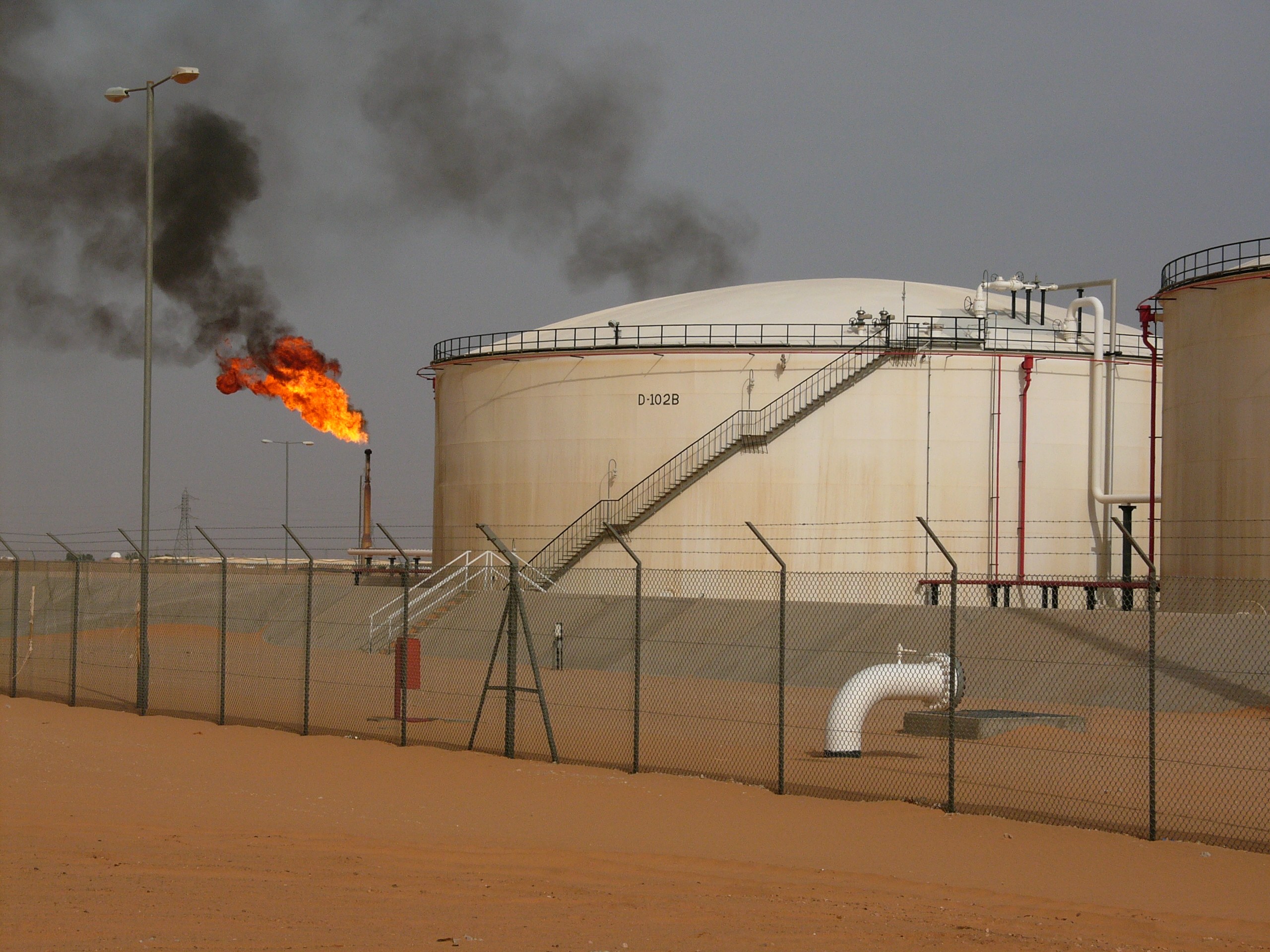
The Sharara field shutdown began when an armed group closed valve No. 7 on the pipeline running to Zawiya port, Libya’s National Oil Corporation said. The state company, which runs the country’s petroleum industry, warned it may declare force majeure.
What the Sharara field shutdown means for Libya
Sharara, in the south-western desert, is the largest field in Libya. It was pumping about 300,000 barrels a day before the valve was closed.
That is roughly a fifth of national output. The National Oil Corporation put Libyan production above 1.4 million barrels a day in June 2026, a 13-year high.
The corporation said the closure built up pressure inside the line and sharply reduced output. It warned that the Zawiya refinery could stop and that state revenue could fall.
Production at the field has dropped by around 200,000 barrels a day, Reuters reported. Italian daily Il Sole 24 Ore put the remaining flow at 100,000 to 105,000 barrels a day.
The field is run by Akakus Oil Operations, a venture between the corporation and four European partners. They are Repsol of Spain, TotalEnergies of France, OMV of Austria and Equinor of Norway.
A pattern of armed pressure on pipelines
This is not an isolated act. On 15 September 2026 members of the Petroleum Facilities Guard shut a valve on the Hamada-Zawiya line.
That force is the state unit paid to protect Libya’s energy sites. Its closure halted the Hamada and Al-Tahara fields and Station NC5, the Libya Herald reported.
The guards were protesting over pay and conditions. Two days before that, on 13 September 2026, they had blocked the entrance to the Zawiya refinery.
On 16 September 2026 the same guards threatened to close seven fields, including Sharara and El Feel, within a week. The corporation did not identify who shut valve No. 7.
Who gains and who loses from the closure
The clearest loser is the Libyan state, which depends on petroleum for most of its budget. Il Sole 24 Ore put that share at about 90 percent.
Workers and contractors tied to Sharara and Zawiya face idle weeks. The Zawiya refinery, which can process about 120,000 barrels a day, supplies fuel to western Libya.
Whoever holds the valve gains leverage. In a country split between rival governments, a closed valve can force talks over wages or appointments.
Why the shutdown matters beyond Libya
Libya holds Africa’s largest proven petroleum reserves and belongs to the Organization of the Petroleum Exporting Countries. Its light, low-sulphur grades feed refineries around the Mediterranean.
Libya is exempt from the group’s output quotas, so its supply moves with events on the ground. Traders therefore follow these closures closely.
The country remains divided between an administration in Tripoli and a rival one in the east. Both camps have long treated pipelines and ports as bargaining chips.
For readers following the contest over African energy, this fits the pattern covered in Africa: The New Scramble. Control of resources is rarely only a local story.
What to watch next
The first question is whether the corporation declares force majeure. That notice would suspend its contractual obligations on Sharara cargoes.
Engineers have so far been unable to reach valves No. 6 and No. 7, Xinhua reported. Until they can, the line cannot be brought back.
The second question is whether the guards act on their threat to seven fields. That one-week deadline falls this week.
Frequently Asked Questions
What happened at Libya’s Sharara field on 21 September 2026?
An armed group closed valve No. 7 on the pipeline from the Sharara field to Zawiya port, the National Oil Corporation said.
How much production has the Sharara field shutdown cost?
Output fell by about 200,000 barrels a day, from roughly 300,000 to about 100,000, Reuters reported.
Has the National Oil Corporation declared force majeure?
Not yet. The corporation said late on 21 September 2026 that it may declare force majeure if the closure continues.
Connected Coverage
Sources
- Anadolu Agency — NOC statement
- Reuters
- Libya Herald — Sharara closure
- Libya Herald — Hamada-Zawiya closure
- Libya Herald — guards’ ultimatum
- Xinhua
- Euronews
- Il Sole 24 Ore
This article was produced by The Rio Times’ automated newsroom system. How we use AI · Report an error
LatAm Markets: Live Signals → — real-time movers, turnover leaders and FX across Latin America.
Read More from The Rio Times