Senegal Lifts Peanut Export Tax as Shipments Rebound After 2024 Slump
Senegal · TRADE
Key Facts
—Export tax removed: Senegal lifted its 4 percent export tax on peanuts for the 2025/26 marketing season, in a decision the Ministry of Industry and Trade announced on 13 January 2026 to revive shipments after a sharp decline.
—Export target: Authorities are targeting 300,000 to 450,000 tonnes of peanut shipments for the international market in the current season.
—USDA forecast: The United States Department of Agriculture projects 260,000 tonnes of peanut exports in marketing year 2025/26, up 4 percent from the previous year.
—2024 collapse: Peanut shipments fell to 121,798 tonnes in 2024, down from a 2021 peak of 336,000 tonnes, with export revenues dropping from CFA 154.7 billion (about US$272 million) to CFA 65.3 billion (about US$115 million), converted at about 568 CFA francs per US dollar in mid-August 2026.
—China dominates: China took more than 90 percent of Senegal’s peanut exports in the USDA data, with Morocco a distant second, though a French government note recorded India taking 96.5 percent in 2024.
—Hydrocarbon boom: Senegal’s gross domestic product growth reached an estimated 6.7 percent in 2025, driven mainly by oil and gas production from the Sangomar field, where output averaged around 100,000 barrels a day, or 36.1 million barrels in 2025.
Senegal peanut exports are rebounding in the 2025/26 marketing season after the government removed a 4 percent export tax, targeting up to 450,000 tonnes of shipments following a collapse in revenues to CFA 65.3 billion (about US$115 million) in 2024.
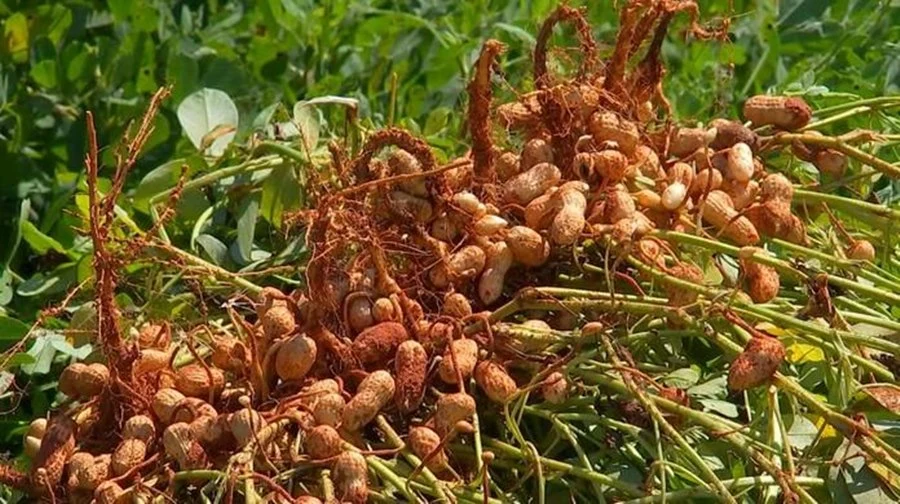
Why Senegal scrapped the peanut export tax
The Senegalese government lifted its 4 percent levy on peanut exports for the 2025/26 season in a direct response to the sector’s worst performance in years. Peanut shipments had collapsed to 121,798 tonnes in 2024, down from a 2021 peak of 336,000 tonnes, according to United States Department of Agriculture (USDA) data.
Export revenues cratered alongside volumes, falling from CFA 154.7 billion (about US$272 million) to CFA 65.3 billion (about US$115 million) over the same period. The tax removal signals a policy pivot toward maximising export volumes, even if that may constrain domestic supply for processors such as the state-backed Sonacos.
Authorities set an ambitious target of 300,000 to 450,000 tonnes for the international market. The USDA’s Foreign Agricultural Service offered a more conservative projection of 260,000 tonnes in marketing year 2025/26, a 4 percent increase from the previous year.
The data conflict over Senegal peanut exports
A significant discrepancy exists between two official sources on Senegal’s 2024 peanut trade. The USDA recorded shipments of 121,798 tonnes, while a French Treasury note reported 481,000 tonnes of peanut exports in the same year.
The destination splits also diverge sharply. The USDA data shows China taking more than 90 percent of exports, with Morocco a distant second, while the French government document recorded India absorbing 96.5 percent of shipments.
The most likely explanation is that the sources are measuring different product categories, marketing years, or customs classifications. The documents provided do not resolve the conflict, and both figures should be treated with caution until a reconciled series emerges.
China’s grip on Senegal’s groundnut trade
China has become the dominant buyer in the USDA’s peanut export outlook for Senegal, absorbing more than 90 percent of shipments. This concentration makes the sector highly sensitive to Chinese demand shifts and pricing decisions.
The pattern reflects a broader pull of West African cash crops into Asian supply chains rather than regional African industrialisation. Senegal’s peanut farmers are increasingly tied to a single export destination, a vulnerability the government appears willing to accept in exchange for volume recovery.
Peanuts accounted for 7.9 percent of Senegal’s agricultural and agro-food export value, according to the French Treasury. The sector remains politically sensitive because agriculture still represents about 17.4 percent of gross domestic product (GDP) and 22 percent of jobs.
Hydrocarbons reshape Senegal’s export economy
The peanut rebound is unfolding against a much larger structural shift in Senegal’s economy. GDP growth reached an estimated 6.7 percent in 2025, according to both the Senegalese government and the World Bank, driven primarily by the start-up of oil and gas production.
The European Bank for Reconstruction and Development (EBRD) said the economy could grow 8.4 percent in 2025, boosted by the Sangomar oil field, where output averaged around 100,000 barrels a day, or 36.1 million barrels in 2025. The World Bank noted that poverty fell to 36.2 percent in 2025.
Agriculture, while still important for employment, is becoming less central to Senegal’s economic story. The hydrocarbon boom is raising the country’s external earnings and political use, reducing reliance on a narrow agricultural export base.
Who gains and who loses from the tax cut
Exporters and large-scale farmers stand to benefit most from the removal of the 4 percent tax, which lowers the cost of moving peanuts onto international markets. The policy shift suggests Dakar is prioritising foreign exchange earnings over domestic processing margins.
Domestic processors such as Sonacos may face tighter supply and higher local prices if too much of the crop flows abroad. The French Treasury noted that Senegal’s agricultural and agro-food trade balance remains structurally in deficit at minus 0.509 billion euro.
The peanut story sits inside a broader struggle over who captures export rents in a country where agriculture is still politically important but hydrocarbons are becoming economically dominant. Rural livelihoods remain tied to groundnut prices even as the national growth narrative shifts toward oil and gas.
What to watch next in Senegal’s groundnut season
The key variable for the remainder of the 2025/26 season is whether actual shipments track closer to the USDA’s 260,000-tonne forecast or the government’s upper target of 450,000 tonnes. Rainfall patterns, Chinese buying behaviour, and domestic pricing will all influence the outcome.
Senegal’s repositioning between Chinese commodity demand, French trade ties, and the wider global scramble for African food and minerals makes the peanut trade a revealing indicator. The oil boom strengthens Dakar’s bargaining position with external partners, as explored in our pillar Africa: The New Scramble.
The data conflict between the USDA and French Treasury figures also needs resolution before any definitive claim about a six-year high can be made. For now, the safest characterisation is a sharp rebound from a very low 2024 base, with policy actively supporting higher volumes.
Frequently Asked Questions
Why did Senegal remove the peanut export tax?
Senegal lifted the 4 percent export tax for the 2025/26 season to revive shipments after peanut export revenues collapsed from CFA 154.7 billion (about US$272 million) to CFA 65.3 billion (about US$115 million) between 2021 and 2024.
How many tonnes of peanuts does Senegal expect to export in 2025/26?
The government is targeting 300,000 to 450,000 tonnes, while the USDA projects a more conservative 260,000 tonnes, a 4 percent increase from the previous marketing year.
Which country buys most of Senegal’s peanut exports?
According to USDA data, China takes more than 90 percent of Senegal’s peanut exports, though a French Treasury note recorded India as the dominant buyer with 96.5 percent in 2024.
Connected Coverage
Senegal’s peanut trade rebound fits within the broader contest for African resources, commodities and political alignment covered in our pillar Africa: The New Scramble.
Sources
This article was produced by The Rio Times’ automated newsroom system. How we use AI · Report an error
LatAm Markets: Live Signals → — real-time movers, turnover leaders and FX across Latin America.
Read More from The Rio Times