São Paulo Is Now Latin America’s Data Center Capital
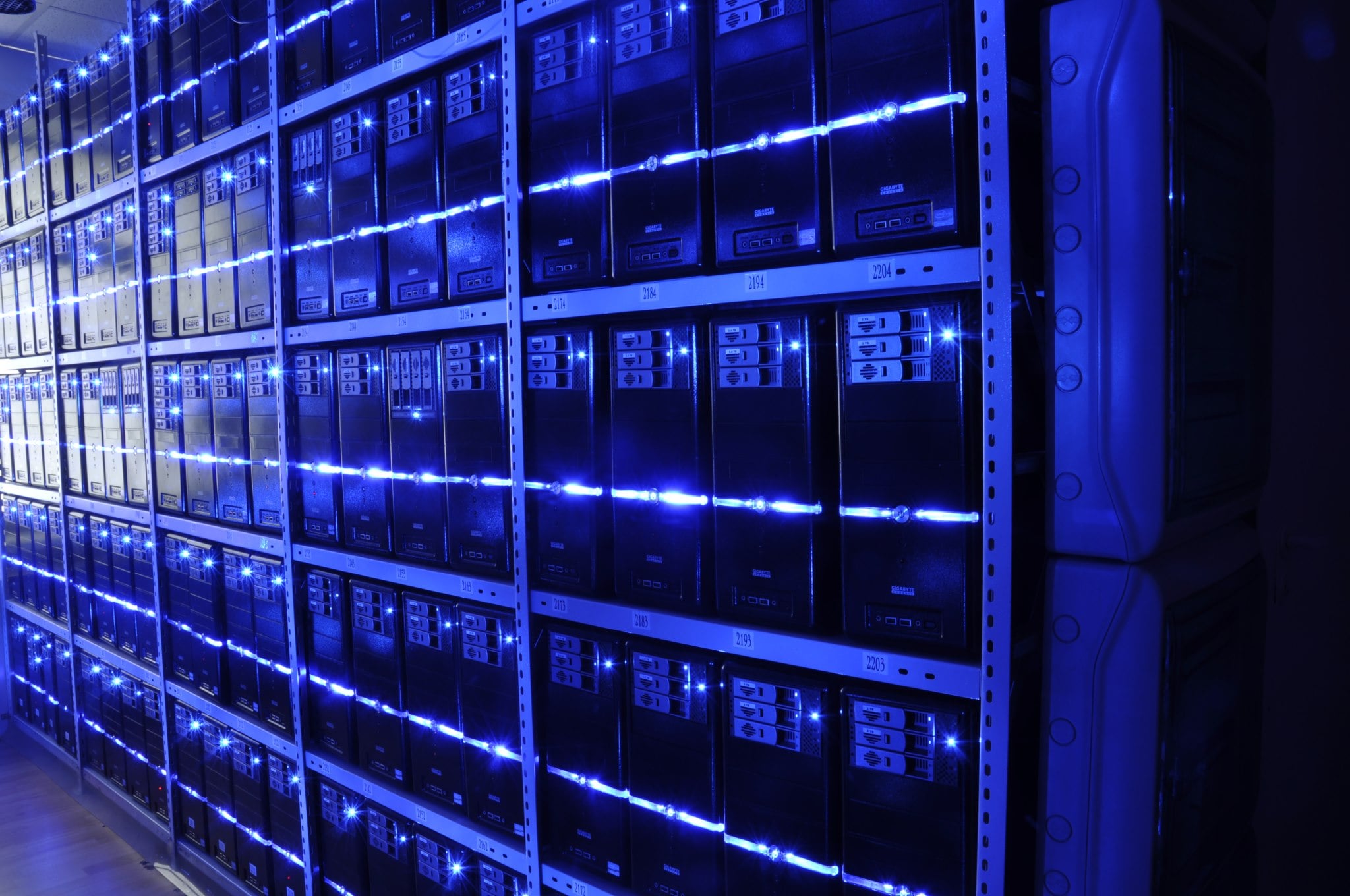
São Paulo · Technology
—The hub. São Paulo has become Latin America’s leading data-center cluster, with dozens of facilities concentrated around the metropolitan area.
—The dominance. Brazil draws an estimated forty-one percent of all data-center investment in the region, and São Paulo is its centre of gravity.
—The growth. Regional rentable capacity nearly tripled between 2019 and 2025, and much of the planned new space is already leased.
—The draw. About three-quarters of Brazil’s electricity comes from clean sources, a powerful selling point for energy-hungry computing.
—The players. Global operators from Equinix to Scala and a wave of newer entrants are all building in and around the city.
—The stake. The boom is turning São Paulo into critical plumbing for the region’s artificial-intelligence and cloud economy.
The São Paulo data center cluster has quietly become the backbone of Latin America’s digital economy, the place where the region’s cloud and artificial-intelligence demand physically lives.
The capital of the cloud
São Paulo has consolidated its position as Latin America’s primary data-center hub, with dozens of facilities clustered in and around the metropolitan area. The density now rivals that of established global centres.
Brazil as a whole captures an estimated forty-one percent of the region’s data-center investment, and São Paulo is where most of that lands. The city’s financial and technology sectors generate the demand that keeps the servers full.
For a foreign reader, the simplest way to picture it is as physical infrastructure for the internet. Every cloud service, banking app and streaming platform in the region needs a building like these to run.
What is driving the São Paulo data center boom
The growth numbers are striking. Across Latin America, rentable data-center capacity nearly tripled between 2019 and 2025, and a large share of capacity still under construction has already been pre-leased.
Low vacancy alongside heavy pre-leasing tells a clear story. Demand is running ahead of supply, the opposite of the glut that worries investors in some other property classes.
Energy is the decisive advantage. About three-quarters of Brazil’s electricity comes from clean sources, mostly hydropower, which matters enormously to operators chasing both lower costs and green credentials.
Policy has reinforced the pull. Brazil has rolled out special tax regimes and a national programme aimed squarely at attracting data-center projects, smoothing the path for foreign operators.
Who is building, and what comes next
The roster of operators reads like a global directory. Equinix runs several sites in the city, while regional champions and international groups alike are expanding capacity to meet demand from cloud giants.
The next wave is about artificial intelligence. Training and running AI models requires vast, power-dense facilities, and operators are racing to build the kind of campuses that can handle that load.
The investment conversation is moving to the city itself. A regional digital-infrastructure finance forum is due to convene senior investors and operators in São Paulo at the end of July to map the next phase.
That gathering underlines a shift in how the city is seen. São Paulo is increasingly discussed in the same breath as the world’s major interconnection hubs rather than as a peripheral market.
The constraints to watch
The boom is not frictionless. Power-grid capacity, water for cooling and local zoning can all become bottlenecks, and rapid build-out tends to expose those limits quickly.
There is a structural critique as well. Brazil hosts the servers and the storage, but much of the high-value software, hardware and chip design still comes from abroad, leaving questions about how much value stays at home.
Even so, the trajectory is unmistakable. For now, the digital economy of an entire region increasingly runs through one Brazilian city, and the capital keeps arriving.
Connectivity reinforces the lead. Brazil’s coastline hosts several submarine-cable landings linking the region to the United States, Europe and Africa, and São Paulo sits at the heart of that interconnection map.
Local demand is the other engine. With tens of millions of banked citizens, a sophisticated fintech sector and rapid cloud adoption, the city generates enormous transaction volumes that need to be processed close to home.
Data-protection rules add to the pull. Requirements to keep certain information inside the country push companies to host locally, turning regulation into a steady source of demand for domestic capacity.
More: Brazil news in English, every day from The Rio Times.
Frequently Asked Questions
Why is São Paulo a data center hub?
São Paulo combines strong connectivity, a large financial and technology sector, and access to mostly clean electricity. Brazil draws an estimated forty-one percent of the region’s data-center investment, and the city is its centre of gravity.
How fast is the market growing?
Across Latin America, rentable data-center capacity nearly tripled between 2019 and 2025, with much of the planned new space already leased and vacancy low. Demand is currently running ahead of supply.
What are the main risks?
Power-grid capacity, water for cooling and local zoning can all become bottlenecks as construction accelerates. Critics also note that much of the high-value hardware, chips and software still comes from abroad, limiting how much value stays in the country.
Connected Coverage
Brazil Technology Scene: The 2026 Investment and Innovation Roadmap
Latin America Economy 2026: Growth, Tariffs and Opportunities
This article was produced by The Rio Times’ automated newsroom system. How we use AI · Report an error · Editorial responsibility: Matthias Camenzind, Editor-in-Chief
Living in or visiting São Paulo? See this month's events and our São Paulo city guide with rents, safety and upcoming concerts.