David Lamelas Saw the Post-Truth Age Coming Decades Ago
Culture
Key Facts
—The show. An exhibition of David Lamelas and Hildegarde Duane runs at Santiago’s Museum of Memory and Human Rights until September 27.
—The theme. Five video works parody how television turns politicians into celebrities and back again.
—A first. It is the pair’s debut exhibition in Chile, and entry is free.
—The pedigree. Their work sits in the MoMA, Tate Modern, the Pompidou, the Reina Sofía and the Guggenheim.
—The timing. It opened just as surveys showed social media overtaking traditional outlets as the main news source.
—Wider moment. Lamelas also has his largest New York solo show running at the Dia Art Foundation.
Long before anyone spoke of fake news or post-truth, the Argentine artist David Lamelas was already picking apart how a screen builds a leader, and a new show in Santiago makes his old warning feel startlingly current.
The exhibition opened in late June at the Museum of Memory and Human Rights, a Santiago institution devoted to the abuses of the Pinochet years. It runs until September 27, and entry is free.
Its title translates loosely as for some falls there is no gravity. It brings together the work of Lamelas and his long-time collaborator, the American artist Hildegarde Duane.
Why David Lamelas still matters
For a foreign reader, the short version is that Lamelas is a heavyweight. One Argentine paper has called him the Duchamp of Latin America, a nod to his role as a pioneer of conceptual art.
His work belongs to the collections of the MoMA in New York, London’s Tate Modern, the Pompidou in Paris and Madrid’s Reina Sofía. He has shown at the São Paulo and Venice biennials and at Documenta in Germany.
The Rio Times reviewed the museum’s own account of the show, which gathers five audiovisual pieces made between the 1970s and 1990s. In them, the two artists play out a cast of fallen dictators, news anchors and celebrities.
The oldest work casts Lamelas as an exiled Latin American colonel, interviewed by a reporter played by Duane. A later piece is a satire built around the flight of Ferdinand and Imelda Marcos from the Philippines.
Duane’s own contribution is central, not decorative. Her work uses humour and irony to interrogate the stereotypes pinned on women, and her pieces sit in the same major collections as her collaborator’s.
A warning that aged fast
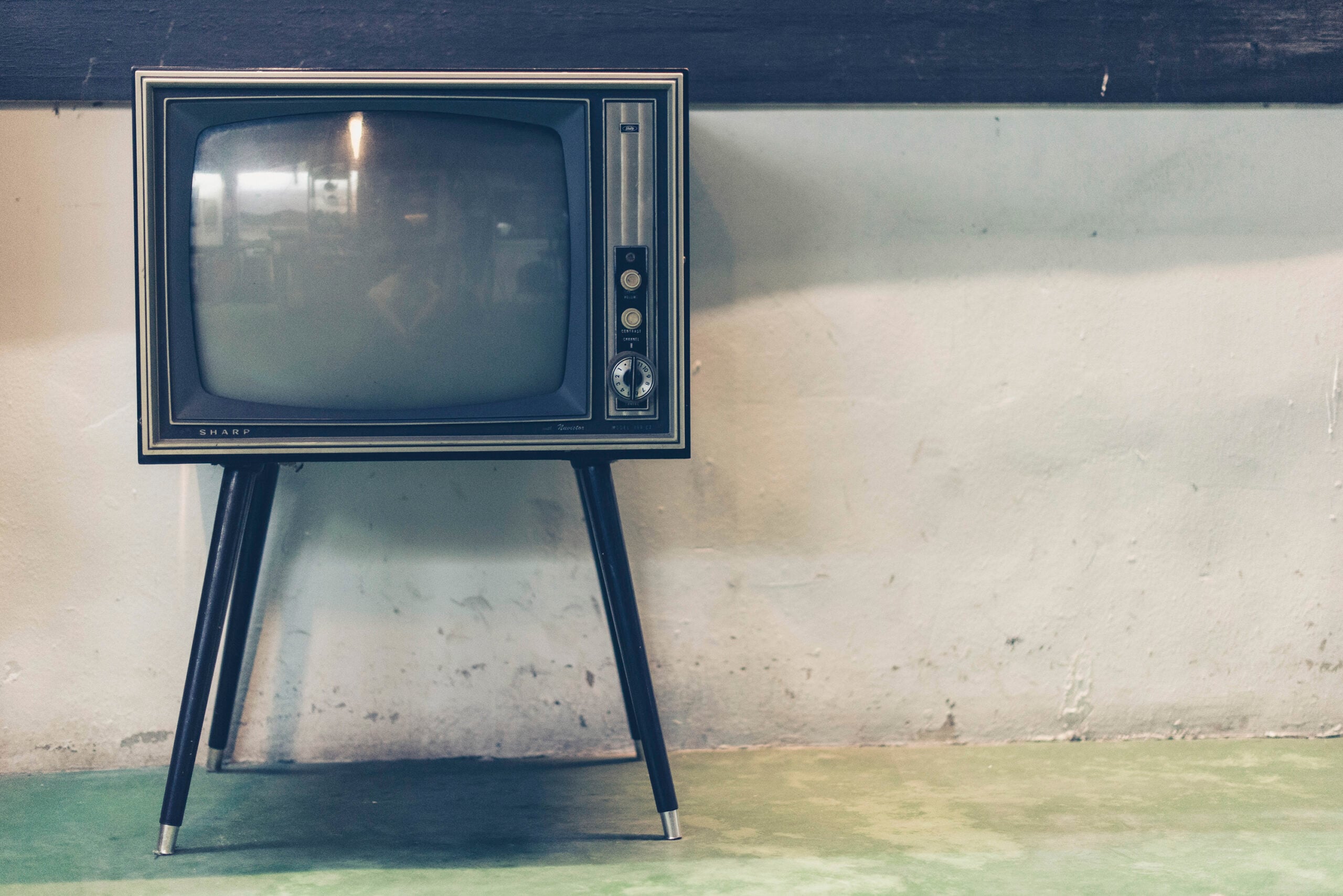
The point of the show is not nostalgia. Through fake television programmes, the pair lay bare the machinery by which the screen produces and legitimises public figures.
The curator, Paula Solimano, frames it as a study of complicity between media, public figures and their audiences. Turning politics into personal story, she argues, lets accountability dissolve into biography.
The timing sharpens the argument. The show opened in the same month that surveys reported social media had overtaken traditional outlets as most people’s main source of news.
Work made half a century ago, in other words, now reads as a study of the present. The museum, which recently won a Spanish human-rights prize, presents the pieces as a bridge between past and current debates.
The choice of venue is deliberate. Placing a study of manufactured power inside a museum built to remember dictatorship gives the satire a weight it would not carry in a conventional gallery.
A moment in the spotlight
Santiago catches Lamelas at a high point. His largest solo show in New York, a survey of six decades of work, is running at the Dia Art Foundation for 10 months.
That show revives a piece from 1968 that once gave gallery visitors real-time access to news of the Vietnam War. The question it asked, about how information is built, has only grown louder.
For a visitor to Santiago, the free show offers a rare chance to see that thinking in person, in a museum where the stakes of image and power are anything but abstract.
More: Chile news in English, every day from The Rio Times.
Frequently Asked Questions
Who is David Lamelas?
He is an Argentine artist, born in 1944, regarded as a pioneer of conceptual art in Latin America and beyond. His work spans film, sculpture, performance and photography, and sits in major museums including the MoMA, Tate Modern and the Reina Sofía.
What is the Santiago show about?
It gathers five video works by Lamelas and Hildegarde Duane that use parody and satire to examine how television and the media construct power. Through fictional programmes, the artists show how screens turn politicians into celebrities and dilute accountability.
Where and when can I see it?
It runs at the Museum of Memory and Human Rights in Santiago until September 27, 2026, Tuesday to Sunday, with free entry. The museum sits beside the Quinta Normal metro station.
Connected Coverage
Julio Le Parc’s Tate Show Opens Weeks After the Artist’s Death
This article was produced by The Rio Times’ automated newsroom system. How we use AI · Report an error
Read More from The Rio Times