Rwanda Fodder Scheme Is Small Money Against a Big Dry-Season Milk Gap
RWANDA · AGRICULTURE
Key Facts
- —The country Rwanda is a densely populated East African state where most milk comes from smallholder herds.
- —What happened The government earmarked about 100 million francs, roughly US$68,000, for youth-led hydroponic fodder enterprises.
- —The gap Rwanda produces about 3 million litres of milk a day and wants 6.8 million by 2029.
- —The trigger A prolonged dry spell has left milk shops in Kigali short of supply.
- —The catch The earmark is small. It is a pilot for young businesses, not a national feed programme.
The Rwanda fodder scheme is a youth-enterprise earmark, not a national feed programme. The gap it addresses is much larger.
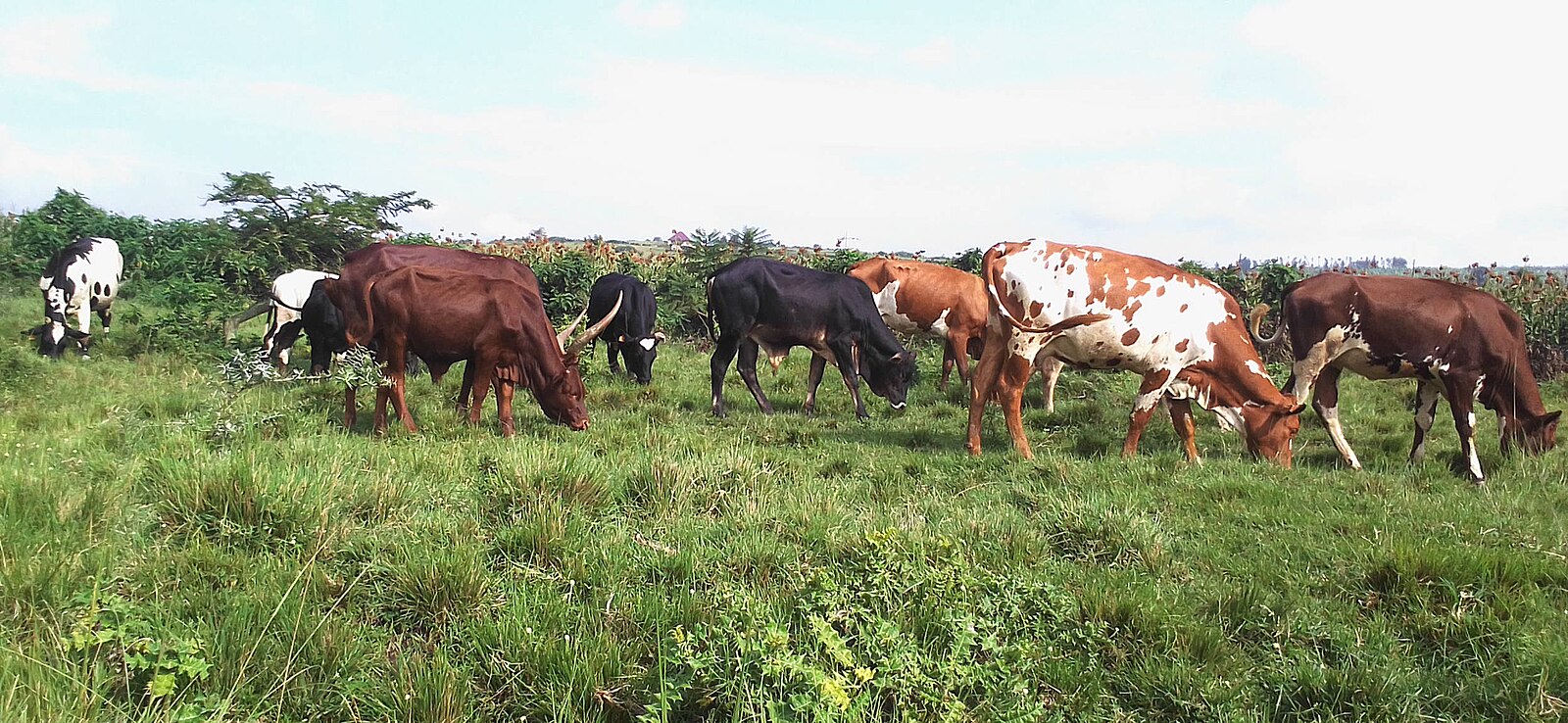
Rwanda has earmarked about 100 million francs, roughly US$68,000, for young entrepreneurs producing hydroponic livestock fodder. The Rwanda fodder scheme lands during a drought that has emptied milk shelves in Kigali.
What the Rwanda fodder scheme actually is
The government has earmarked about 100 million francs, roughly US$68,000. The money is for youth-led enterprises producing hydroponic fodder.
Hydroponic fodder is grown without soil, usually as sprouted grain on trays. It takes about a week and needs far less land and water than pasture.
The New Times reported the earmark on 25 September 2026. It is a support measure for a specific group of businesses.
That is a narrower thing than the headline figure suggests. Rwf100 million buys a pilot, not a feed system.
The gap the scheme is aimed at
Rwanda produces about 3 million litres of milk a day. The agriculture ministry’s own annual report puts output at just over 1.15 million tonnes a year.
The target is 6.8 million litres a day by 2029. That is roughly a doubling in three years.
Set the earmark against that target and the scale is clear. About US$68,000 does not move a national production figure.
What it can do is test whether hydroponic units work commercially. If they do, larger money can follow.
That is a reasonable use for a small sum. It is not what the headline number implies.
Why the dry season empties the shelves
Milk supply in Rwanda falls when feed and water run short. The effect reaches Kigali shops within weeks.
A prolonged drought left milk shops in the capital close to empty this month. Retailers rationed what arrived.
One Nyagatare farmer, Gahiga Gashumba, saw deliveries to the processor Inyange Industries fall from about 100 litres a day to under 20.
That is the shape of the problem at farm level. Nyagatare, in the east, is Rwanda’s main dairy district.
When that district dries out, the national figure moves. Processors then ration what reaches the capital.
Who else is putting money in
The earmark is not the only money in this space. It is the smallest piece of it.
Dairy farmers in Nyagatare secured a matching grant of 516 million francs, about US$350,000, in June 2026. That is five times the new earmark.
In September 2026 the International Fund for Agricultural Development and Bank of Kigali announced US$21 million for farmer organisations. IFAD put in US$12 million and the bank US$9 million.
The United Nations Development Programme has separately funded hydroponic fodder at cooperatives in Gicumbi and Bugesera. So the technique is already being tested.
The wider push behind it
The Rwanda Agriculture and Animal Resources Development Board has said it plans to expand land under improved fodder. Reported figures put the aim at 87,000 hectares.
The ministry’s own annual report gives about 47,000 hectares under improved forage nationwide. The two numbers do not sit easily together.
Poland’s development bank has financed milk cooling systems for the Rwandan dairy sector. The equipment comes from a Polish supplier under that financing.
Cooling matters as much as feed. Milk that cannot be chilled does not reach a processor in usable condition.
Feed, water and cold chain are one problem, not three. A scheme that addresses only the first will not close the gap.
What this means for buyers and investors
For Kigali households, nothing changes this month. The drought effect works through before any fodder scheme does.
For anyone investing in Rwandan agriculture, the signal is about direction rather than scale. The state is putting public money behind feed technology.
For young entrepreneurs, the earmark is a real opportunity at a small scale. A hydroponic unit is cheap to start by the standards of livestock farming.
The test is whether any of it survives the next dry season. That is the only measure that counts.
What is not yet known
How the earmark will be allocated has not been published. Nor has the number of enterprises it is meant to reach.
The fodder land expansion figures come from secondary reporting. The ministry has not published a reconciled baseline.
No date has been set for a progress report on the 2029 milk target. Output is currently less than half of it.
Whether the dry spell continues is the largest unknown. The scheme does nothing about water.
FAQ
How much is the Rwanda fodder scheme worth?
About 100 million Rwandan francs, roughly US$68,000. It is earmarked for youth-led enterprises producing hydroponic fodder.
How much milk does Rwanda produce?
About 3 million litres a day, according to the agriculture ministry’s own figures. The target is 6.8 million litres a day by 2029.
Why does milk run short in the dry season?
Feed and water become scarce, so cows produce less. One Nyagatare farmer’s deliveries fell from about 100 litres a day to under 20.
What is hydroponic fodder?
Animal feed grown without soil, usually as sprouted grain on trays. It takes about a week and uses far less land and water than pasture.
Sources: The New Times on the earmark, 25 September 2026; Eastleigh Voice on the Kigali shortage; Rwandan agriculture ministry annual report; UNDP Rwanda.
This article was produced by The Rio Times’ automated newsroom system. How we use AI · Report an error
Read More from The Rio Times