Retailers in Brazil Expand Hiring as Business Optimism Rises 1.6%
Brazil’s retail sector recorded a 1.6% seasonally adjusted rise in business confidence in May 2025, marking the second consecutive monthly increase, according to the National Confederation of Commerce, Goods, Services, and Tourism (CNC).
The Commerce Business Confidence Index (Icec) reached 104.0 points, staying above the 100-point threshold that separates pessimism from optimism.
Despite this progress, the index remains 5.8% lower than May 2024 levels, reflecting persistent challenges like elevated borrowing costs and uneven consumer demand.
Retailers reported improved sentiment across all index components. Assessments of current economic conditions rose 1.4%, driven by better perceptions of the broader economy (4.1%), individual business performance (0.4%), and sector-wide prospects (0.8%).
Future expectations surged 2.3%, with retailers anticipating stronger economic activity (2.2%), sector growth (2.3%), and company performance (2.4%). Investment intentions climbed 0.9%, led by hiring plans (1.8%) and inventory expansions (0.5%).
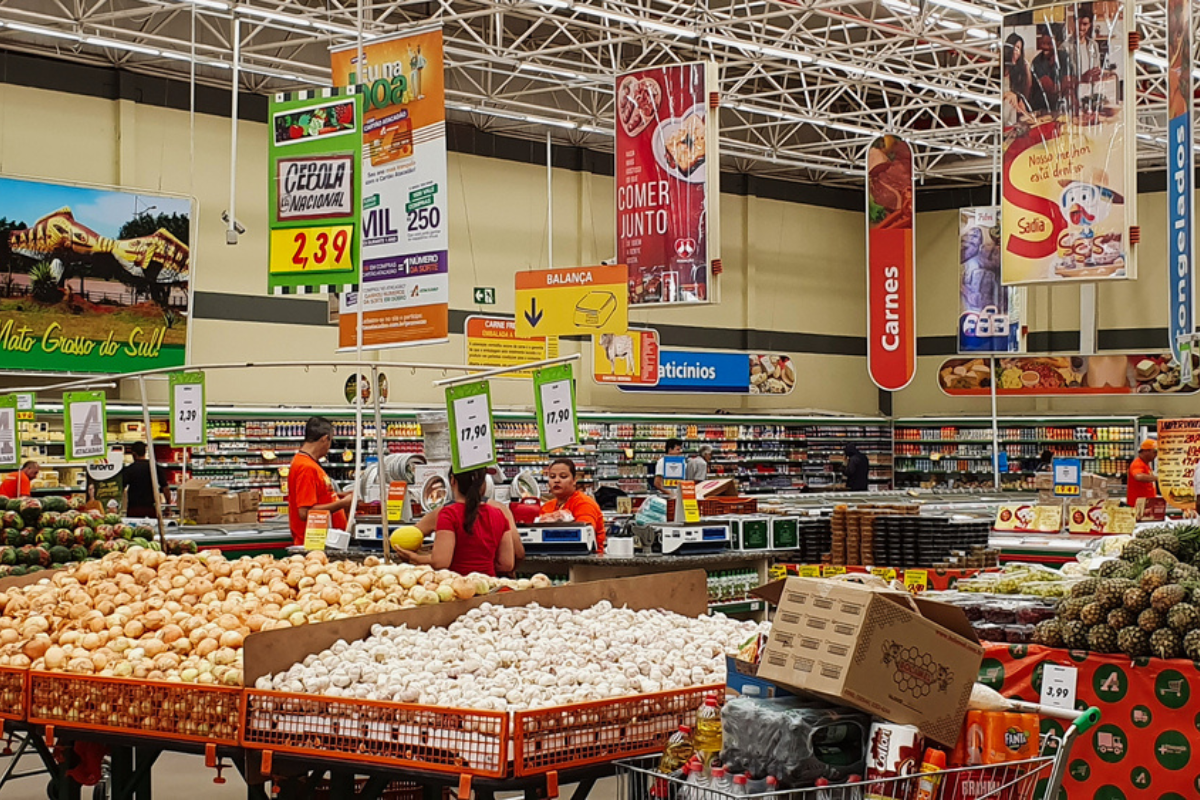
The uptick aligns with a 0.8% monthly increase in retail sales for March 2025—the strongest growth in 10 months—fueled by rebounds in non-essential categories like books (28.2%) and electronics (3.0%). However, sales of durable goods like furniture dipped (0.4%), highlighting lingering consumer caution.
Brazil’s Labor Market Outlook
Employment projections further underscore this dichotomy: São Paulo’s Metro Line 6 project alone is generating 9,000 construction jobs, while nationwide formal job creation is expected to slow to 1.2–1.5 million in 2025 from 2024’s 2.2 million, per FecomercioSP.
Industrial sectors remain cautious, with confidence inching up to 48.9 points in May but staying below the 50-point neutral mark for the fifth straight month.
Manufacturers cited modest optimism about future performance (51.3 points) but flagged high interest rates and a weaker currency as constraints.
Consumer confidence, measured separately by FGV-IBRE, edged up to 84.8 points in April but stayed firmly in pessimistic territory, with low-income households particularly strained by food inflation.
CNC President José Roberto Tadros emphasized that sustained recovery hinges on stabilizing inflation and household spending.
While credit access has improved, driving short-term investments, retailers face a delicate balancing act: expanding hiring and inventories while navigating monetary policy tightening and fragile consumer wallets.
This article was produced by The Rio Times’ automated newsroom system. How we use AI · Report an error · Editorial responsibility: Matthias Camenzind, Editor-in-Chief
LatAm Markets: Live Signals → — real-time movers, turnover leaders and FX across Latin America.