PetroReconcavo’s December Dip Was Planned, While 2025 Output Still Edged Higher
Key Points
- December production slipped 0.7% after a scheduled maintenance stop in Potiguar, not a surprise operational shock.
- Bahia partially offset the loss as gas output rose on workovers and new compression, despite unplanned downtime at Tiê.
- With crude prices hovering in the low-$60s per barrel, steady execution matters as much as growth for investor confidence.
PetroReconcavo (RECV3) ended 2025 with slightly higher average production than the year before, even as December volumes dipped on a scheduled maintenance pause that temporarily reduced output in its Potiguar hub.
In an operational update released on January 8, the company reported average production of 25.0 thousand barrels of oil equivalent per day in December, a 0.7% decline from November.
For full-year 2025, average output was 26.5 thousand boe/day, essentially stable versus 2024, underscoring a picture of stability more than acceleration.
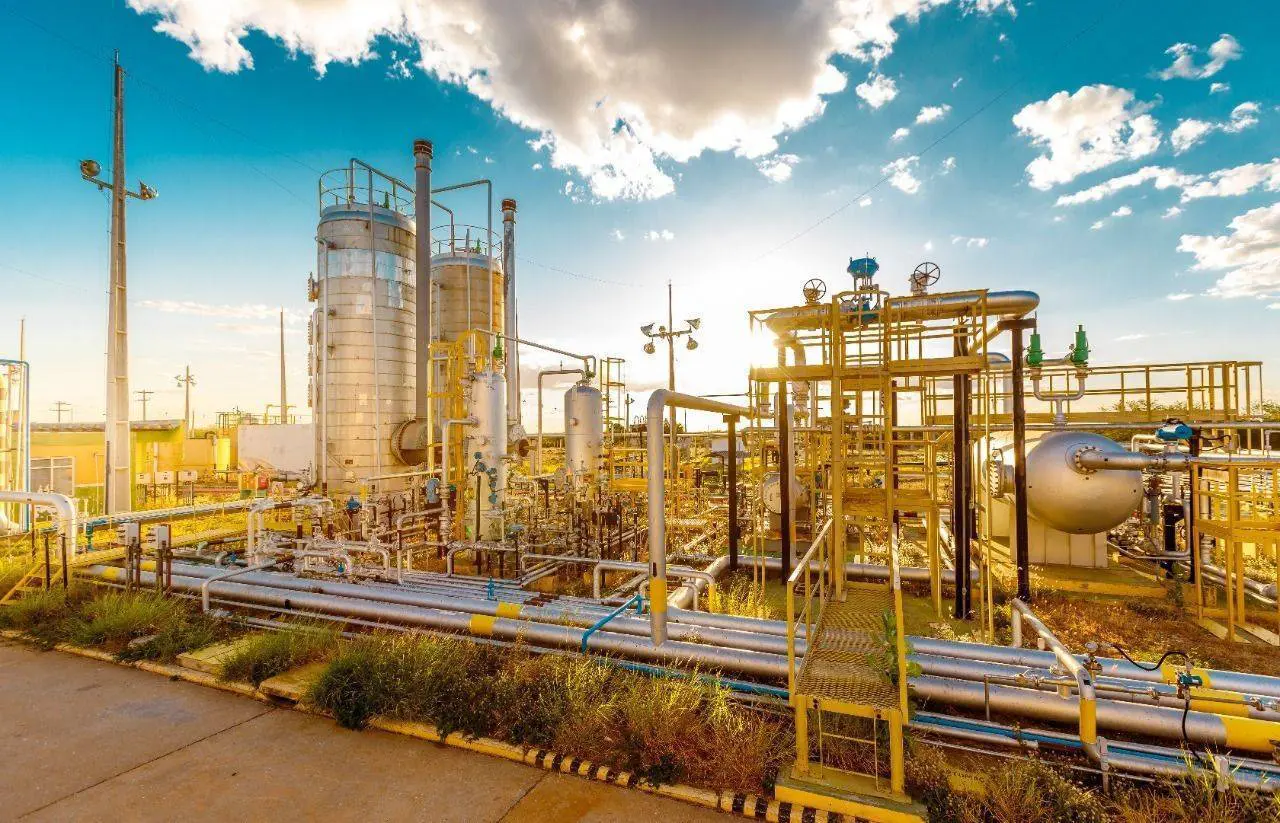
The month-to-month drop was concentrated in the Potiguar Asset, where production averaged 12.2 thousand boe/day in December, down 2.1% from November.
Maintenance hits output Bahia offsets
Oil production fell to 7.9 thousand barrels per day, while natural gas production declined to 4.3 thousand boe/day. PetroReconcavo linked the decrease mainly to a planned maintenance shutdown at the Livramento station, which affected the Livramento and Cachoeirinha fields.
Bahia moved in the opposite direction. The Bahia Asset averaged 12.8 thousand boe/day, up 0.7% month over month. Oil output there edged down 0.7% to 6.4 thousand barrels per day after unplanned stoppages in high-flow wells at the Tiê field.
But natural gas production climbed 2.2% to 6.4 thousand boe/day, supported by workovers and the installation of new compressors at the Remanso field.
The details also highlight the company’s operating footprint. Potiguar aggregates 31 fields, with 22 operated by PetroReconcavo and nine by Mandacaru Energia.
Bahia includes 26 fields operated by PetroReconcavo, plus a 47.73% stake in the shared Zona Água Grande – Block 2 accumulation between the Gomo and Bonsucesso concessions, operated by Brava Energia.
For investors, the message is that the stock remains tied to operational discipline in mature onshore assets—an area where private operators have tried to extract value that Brazil’s former state-led model often left under-optimized.
With oil prices under pressure, predictable maintenance and incremental gains can matter as much as headline growth.
Related coverage: Brazil’s Morning Call | U.S. Jobs Growth Slows But Productivity Surge Keeps Economy This is part of The Rio Times’ daily coverage of Latin American news and financial markets.
This article was produced by The Rio Times’ automated newsroom system. How we use AI · Report an error · Editorial responsibility: Matthias Camenzind, Editor-in-Chief
Read More from The Rio Times