Peru Seeks 50% Bigger IMF Quota Worth US$2.7 Billion

PERU · ECONOMY
Key Facts
- —The country Peru is an Andean nation on South America’s Pacific coast and a major copper and gold exporter.
- —What happened Peru’s central bank asked Congress to lift its International Monetary Fund (IMF) quota from 1,334.5 million to 2,001.8 million special drawing rights (SDR).
- —Why it matters The 50% rise, worth about US$903 million, enlarges the emergency credit Peru could draw, as IMF loan limits track quota size.
- —The numbers The new quota is about US$2.71 billion, up from US$1.81 billion, at the IMF’s 9 October rate of about US$1.35 per SDR.
- —Who pays The central bank pays from reserve assets and in soles; the bill says the national budget bears no cost.
- —Still open The lower house’s economy committee has not scheduled a vote, and the IMF deadline for members to consent is 15 November 2026.
Peru’s central bank has asked Congress to raise the Peru IMF quota by 50%, to about US$2.7 billion. The quota is Peru’s stake at the International Monetary Fund (IMF) and sets how much the Washington-based lender could lend Peru in a crisis.
For US investors who hold Peruvian bonds, the central bank covers the payment rather than the budget, and total reserves do not fall. Filed on 7 October and reported by Lima broadcaster RPP on Monday 12 October, the bill now sits with a lower-house committee.
What the Central Bank Is Asking For
The bill, number 547/2026-2031-CD, has two short articles. The first authorises raising Peru’s IMF quota from SDR 1,334.5 million to SDR 2,001.8 million, an increase of SDR 667.3 million.
SDRs, or special drawing rights, are the IMF’s own unit of account, built from a basket of major currencies. At the IMF’s 9 October rate of about US$1.35 per SDR, the new quota is worth roughly US$2.71 billion, up from US$1.81 billion.
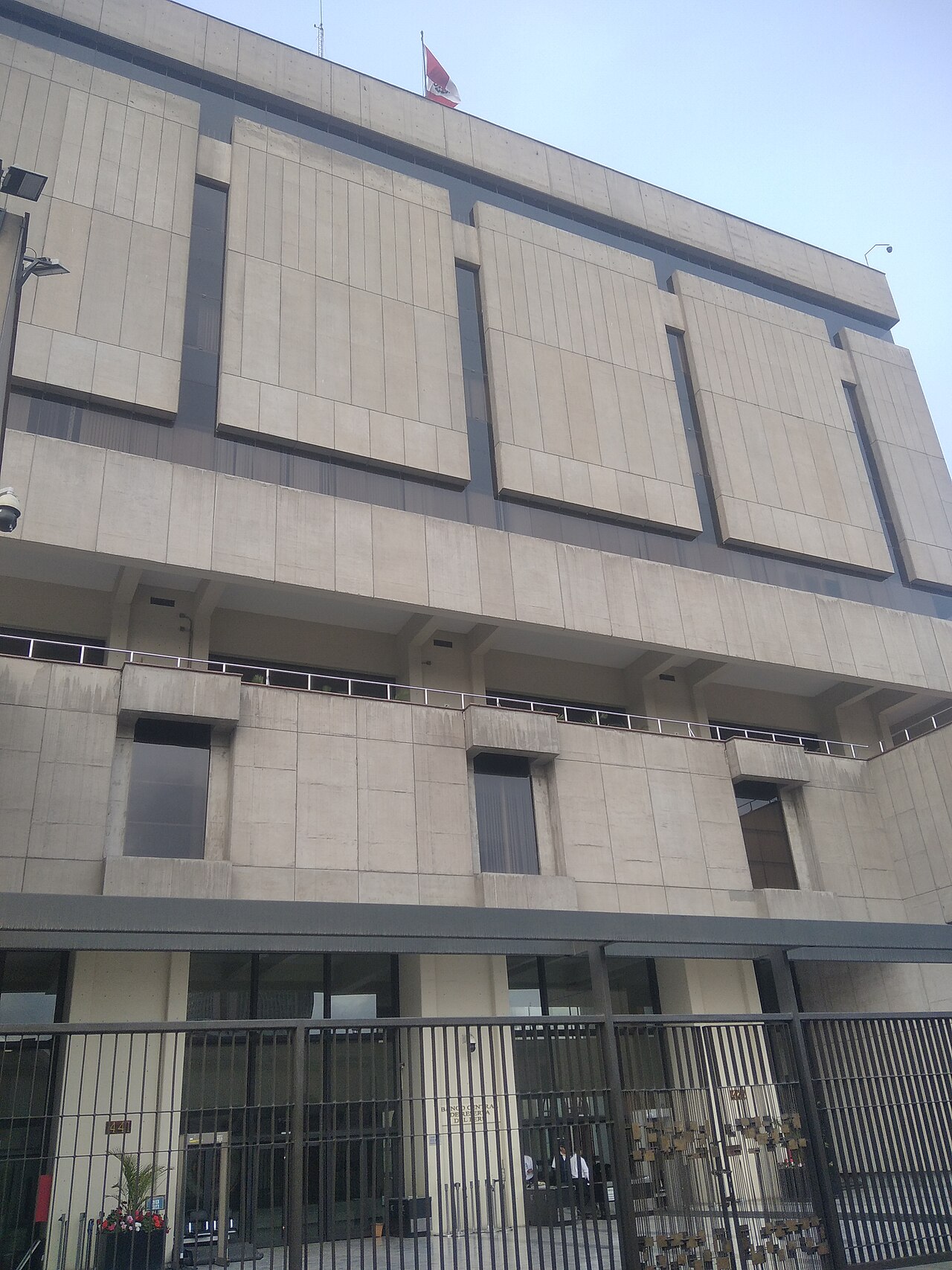
The second article makes the Central Reserve Bank of Peru (BCRP) responsible for the payments and lets it sign promissory notes to complete them. The BCRP is the country’s independent central bank, which also represents Peru at the IMF.
Its president, Julio Velarde, who has run the bank since 2006, signed the cover letter on 7 October. He addressed it to Oscar Reto, president of the Chamber of Deputies, the lower house of Peru’s two-chamber Congress.
The Chamber’s economy, banking and finance committee received the bill on 9 October, according to the Congress record. RPP reported that Velarde had first sent the proposal on 23 September, and the bank re-filed it with the cost-benefit analysis the chamber’s rules require.
Why the IMF Is Raising Every Quota
Quotas are the IMF’s main source of money, and each one broadly reflects a member’s weight in the world economy. According to the IMF, quotas also set each country’s voting power and how much it can borrow.
Under its 16th General Review of Quotas, the IMF’s Board of Governors approved a 50% rise for all members on 15 December 2023. That was Resolution 79-1, and because every IMF quota grows by the same share, Peru’s relative weight does not change.
Velarde, who is also Peru’s governor at the IMF, voted for the resolution after the bank’s board backed it on 7 December 2023. Once in force, total IMF quotas would climb from about SDR 476.3 billion to SDR 715.7 billion, the bill says.
The increase only takes effect when members holding at least 85% of quotas have consented. By 29 April 2026, 149 members holding 76.66% had done so, and the IMF has extended the consent deadline to 15 November 2026.
How Peru Would Pay
About SDR 166.8 million, a quarter of the increase, must be paid in SDRs, in currencies the IMF names, or a mix of both. That slice is worth about US$226 million at the IMF’s 9 October rate.
The other SDR 500.5 million, about US$677 million, is payable in soles, Peru’s currency, through operations the central bank carries out. The bill states that the operation is not a budget transfer to the IMF and not a charge on the Treasury.
Reserves used for the payment change form, moving from deposits and similar assets into a claim on the IMF. The bill says this alters the make-up of Peru’s international reserves without reducing their total.
The bill lists six earlier laws, the first in 1978, that raised Peru’s IMF quota. The last time, a 2011 law lifted it from SDR 638.4 million to SDR 1,334.5 million under the IMF’s 14th review.
What It Means for You
The move is routine, not a sign of stress, because every IMF member is being asked to raise its quota by the same 50%. Peru is not asking the IMF for a loan, and access to any IMF money still depends on the fund’s own rules.
For holders of Peruvian bonds and shares, a larger IMF quota adds to the backstop Peru could tap after a global shock. For travellers, residents and companies, the bill creates no new taxes, fees or obligations.
What Is Not Known
The committee has not set a date to debate the bill, which the Congress record still lists as in committee. It is not clear whether Congress can pass it before the IMF’s 15 November deadline, or whether the IMF will extend that date again.
The 85% threshold for the IMF quota increase had not been reached at the last count the bill cites, from April 2026. Dollar values here are approximate, since the value of the SDR moves with the currencies in its basket.
More: Peru news in English, every day from The Rio Times.
Frequently Asked Questions
What is Peru’s IMF quota?
It is Peru’s stake at the International Monetary Fund, measured in SDRs, the IMF’s unit of account. It stands at SDR 1,334.5 million and would rise to SDR 2,001.8 million, about US$2.71 billion.
Is Peru asking the IMF for a loan?
No. The rise is part of a 50% increase for all IMF members agreed in December 2023. A bigger Peru IMF quota only raises how much Peru could borrow under IMF rules if it ever needed to.
Who pays for the increase?
The Central Reserve Bank of Peru pays from its reserve assets and in soles, not from the national budget. The bill says Peru’s total international reserves do not fall.
When must Congress decide?
The IMF’s deadline for members to consent is 15 November 2026. The bill sits with the economy committee of the Chamber of Deputies, which has not yet scheduled a vote.
Sources: Congreso de la República, Cámara de Diputados: Proposición legislativa 00547/2026-2031-CD (record), 7 and 9 October 2026; Banco Central de Reserva del Perú: Oficio 144-2026-BCRP, bill text and explanatory memorandum (PDF), 7 October 2026; RPP: BCRP busca autorización del Congreso para elevar aporte al FMI con más de US$ 2.700 millones, 12 October 2026; International Monetary Fund: IMF Quotas factsheet, 19 December 2023; International Monetary Fund: SDR valuation (SDR1 = US$1.353260), 9 October 2026.
This article was produced by The Rio Times’ automated newsroom system. How we use AI · Report an error · Editorial responsibility: Matthias Camenzind, Editor-in-Chief