Fresnillo Profit Triples to US$1.46 Billion on Silver-Gold Rally
Mining: Mexico City
Key Facts
—Fresnillo. First-half 2026 net profit roughly tripled to US$1.46 billion, up 213% from US$467.6 million a year earlier.
—Revenue. Fresnillo’s revenue rose 74.7% to US$3.38 billion; EBITDA climbed 113.2% to US$2.35 billion.
—Peñoles. Parent Industrias Peñoles, which owns about 72% of Fresnillo, nearly doubled quarterly revenue and reported a sharp jump in profit.
—Driver. Silver and gold prices rallied to record or multi-year highs in early 2026, more than offsetting lower Mexican output.
—Output. Fresnillo’s silver production fell 11.4% and gold 7.3% in the half, yet it remains the world’s top primary silver producer.
A gold-silver rally powered sharp first-half gains at Mexico’s Industrias Peñoles and its Fresnillo unit, with Fresnillo’s profit roughly tripling even as mine output slipped.
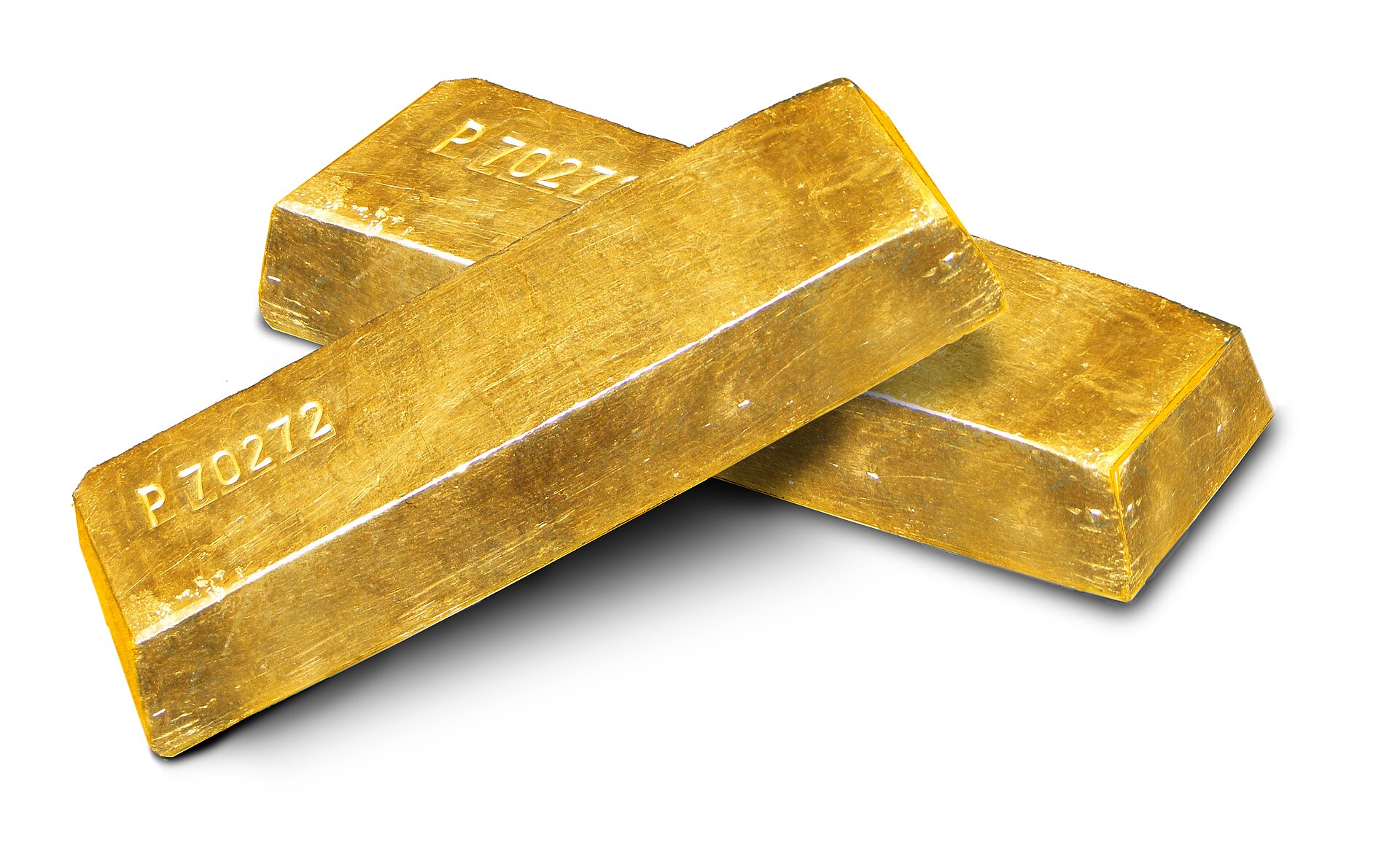
Fresnillo’s Profit Roughly Triples
Fresnillo, the world’s largest primary silver producer, said first-half 2026 net profit jumped about 213% to US$1.46 billion, from US$467.6 million a year earlier, as surging precious-metals prices more than offset weaker output at its Mexican mines.
Revenue climbed 74.7% to US$3.38 billion, gross profit rose 130.7% to US$2.36 billion, and EBITDA more than doubled, up 113.2% to US$2.35 billion, lifting the EBITDA margin to about 69.5%.
The London-listed miner, whose operations are entirely in Mexico, called it a record interim performance. Its shares rose after the results.
For readers less familiar with mining terminology, EBITDA stands for earnings before interest, taxes, depreciation and amortization. It is a widely used measure of a company’s operating profitability because it strips out costs that can vary depending on how a firm is financed or how it accounts for the gradual wearing-out of its equipment and mines. An EBITDA margin near 70% signals that for every dollar of revenue, the company kept roughly 70 cents as operating profit, a level that reflects the powerful effect of high metals prices on a producer with relatively stable costs.
Peñoles Rides the Same Metals Wave
Industrias Peñoles, the Mexican mining and metals group that controls about 72% of Fresnillo, reported the same tailwind in its own second-quarter results, with quarterly revenue nearly doubling and profit climbing sharply amid volatile precious-metals prices.
Because Fresnillo is Peñoles’ largest earnings contributor, the parent’s results move largely in step with its silver-and-gold unit. In the first quarter of 2026, Peñoles had already reported a 91.6% jump in revenue and a 258% rise in net profit.
Peñoles also runs the Met-Mex complex in Torreón, one of the world’s largest silver and gold refineries, giving it exposure to precious-metals prices across both mining and processing.
This dual exposure matters because a refinery earns fees for turning raw material into pure metal, but it can also benefit when the value of the metal it handles rises. That means Peñoles captures the price rally at two points in the value chain: first when ore is pulled from the ground, and again when it is refined and sold into global markets.
Why Silver and Gold Are Surging
Both metals climbed to record or multi-year highs in early 2026. Silver climbed to record highs near US$75 an ounce, while gold set fresh records, driven by safe-haven demand, central-bank buying and expectations of looser monetary policy.
For primary silver miners, the move is especially powerful because costs are relatively fixed. When prices rise faster than expenses, a large share of the extra revenue drops through to profit, magnifying earnings.
Silver’s dual role, part precious metal and part industrial input for solar panels and electronics, has added a structural demand story on top of the financial one.
Safe-haven demand typically rises when investors grow nervous about the global economy, geopolitical tensions or the health of the banking system. Central-bank buying, meanwhile, has been a feature of the gold market for several years as countries seek to diversify reserves away from the U.S. dollar. Looser monetary policy, meaning lower interest rates, tends to support precious metals because it reduces the opportunity cost of holding an asset that pays no interest. All three forces appeared to converge in early 2026, creating an unusually strong price environment.
Lower Output, Higher Earnings
The gains came despite falling production. Fresnillo’s silver output slipped 11.4% and gold fell 7.3% in the half, reflecting lower ore grades and reduced sales volumes across its Mexican operations.
Even so, the company produced 22.0 million ounces of silver and 290,900 ounces of gold in the six months, keeping its position as the top primary silver producer worldwide.
The divergence between weaker volumes and stronger profit underscores how completely price has dominated the precious-metals story in 2026.
Lower ore grades are a natural challenge for any miner that has been extracting metal from the same deposits for years. As the richest portions of a deposit are depleted, the remaining rock contains less metal per tonne, which raises the cost of producing each ounce. In a normal price environment, declining grades would squeeze margins. The fact that profits tripled anyway shows just how extraordinary the price rally has been.
Guidance, Expansion and What’s Next
Fresnillo reaffirmed full-year 2026 guidance of 42 million to 46.5 million ounces of silver and 500,000 to 550,000 ounces of gold, and trimmed expected capital spending to US$500 million-US$550 million, with exploration outlays of about US$260 million.
The results also reflect the financial flexibility behind Fresnillo’s January acquisition of Probe Gold, which added the Novador development project in Quebec and gave the company its first operating footprint outside Mexico.
For investors, the question now is how long the rally lasts. With output guidance steady, earnings from here will hinge largely on whether silver and gold hold their gains.
The Probe Gold acquisition marks a strategic shift worth watching. By stepping outside Mexico for the first time, Fresnillo is diversifying its geographic risk, a move that could make its production profile more resilient if operating conditions in any single country become more difficult. The Novador project is still in the development phase, meaning it will require years of investment before it produces metal, but it signals where management sees the company’s long-term growth coming from.
Several open questions will shape the next chapter. Will silver’s industrial demand from solar manufacturing keep growing at the pace markets expect, or could a slowdown in clean-energy investment cool that demand? Can Fresnillo stabilize or reverse the decline in ore grades at its aging Mexican mines, or will output continue to drift lower? And if metals prices retreat from their early-2026 highs, how quickly would the profit surge unwind given the company’s largely fixed cost base? The answers will determine whether this record half marks a new normal or a peak.
More: Mexico news in English, every day from The Rio Times.
Frequently Asked Questions
How much did Fresnillo’s profit rise in the first half of 2026?
Net profit rose about 213% to US$1.46 billion, from US$467.6 million a year earlier, roughly tripling on higher gold and silver prices.
How is Peñoles related to Fresnillo?
Industrias Peñoles is the Mexican parent that owns about 72% of Fresnillo; Fresnillo is its largest earnings driver, so their results tend to move together.
What drove the earnings surge?
A rally in silver and gold prices to record or multi-year highs more than offset lower Mexican mine output, lifting revenue and profit at both companies.
Sources
MINING.com · Mexico Business News · Mining Weekly · AXIS Negocios
Sources: MINING.com; Mexico Business News; Mining Weekly; AXIS Negocios.
This article was produced by The Rio Times’ automated newsroom system. How we use AI · Report an error
Read More from The Rio Times