Paraná Family Clan Ran Arms Route to Rio, Police Say — What the Operation Found
Key Facts
Civil police in Paraná say they have dismantled a family-run arms route to Rio de Janeiro that moved rifles and drugs hidden inside ordinary truck cargo. The operation culminated on Friday, 18 September 2026, with 28 court orders served across three states.
At the centre of the case, according to investigators, is a single family: a father, his partner and four sons. Police allege the group built a logistics business that looked lawful on paper and used it as cover for one of the more organised supply lines uncovered in the state this year.
What Police Did on Friday
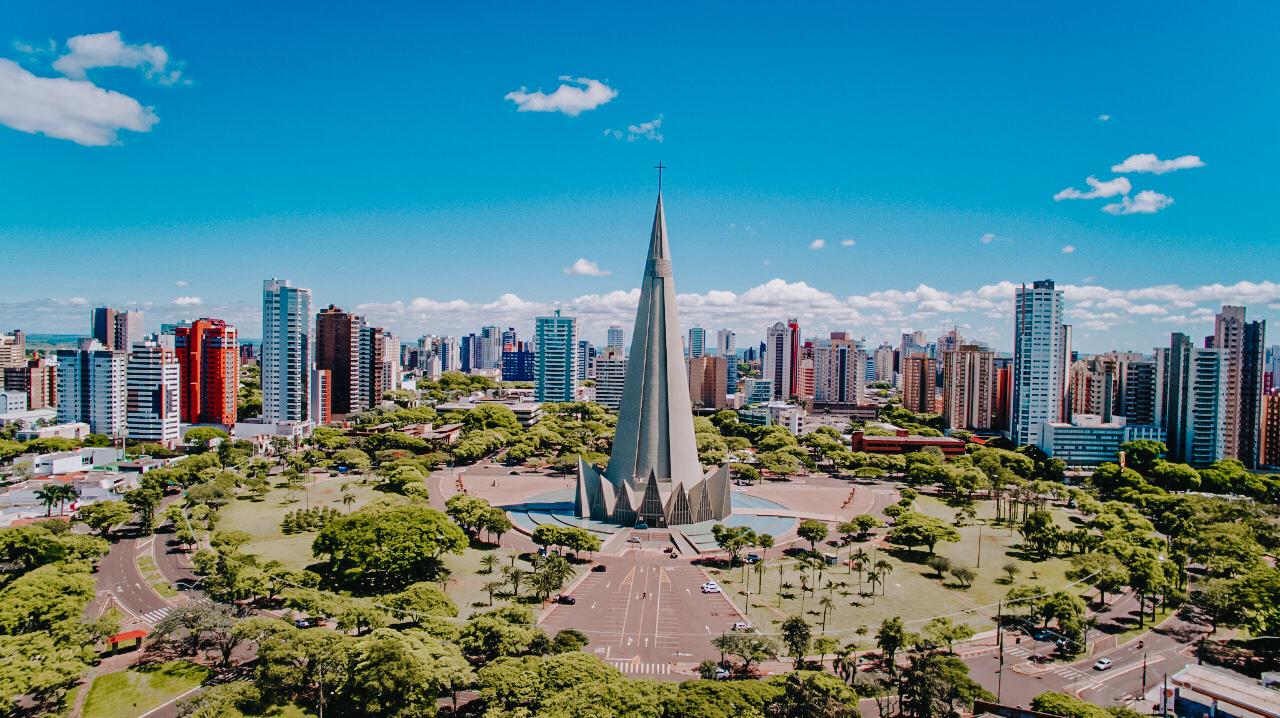
The Paraná Civil Police (PCPR) served 14 preventive-arrest warrants and 14 search-and-seizure warrants. The orders were executed in Maringá, Foz do Iguaçu, São Miguel do Iguaçu and Santa Terezinha de Itaipu, with further actions in Rio de Janeiro and São Paulo.
A court ordered the blocking of 21 bank accounts containing up to R$10 million (≈US$1.9 million) in total. Nineteen vehicles were also targeted for seizure.
Police say the man they identify as the group’s leader had been living under a false identity. One of the sons allegedly created two additional companies, one of them registered at an address on Avenida Brigadeiro Faria Lima, São Paulo’s best-known financial corridor.
The identities of those detained have not been made public. Police have also not disclosed the operation’s codename, which is unusual for a case of this size in Brazil.
How the Route Worked
The investigation opened in February 2026. Its starting point was the arrest of a drug trafficker in December 2025, which gave detectives their first thread into the group’s structure.
What they describe is a division of labour built around a legitimate freight business. Drugs and weapons were allegedly concealed among lawful cargo, so that a stopped truck would, at first glance, show nothing irregular.
The group also allegedly employed scouts, known in Brazil as batedores. These drivers travelled ahead of the loaded trucks to check for police roadblocks and warn of inspection points along the route.
The destination, according to police, was communities in Rio de Janeiro dominated by criminal organisations. Investigators have not publicly confirmed which organisation received the shipments, and no faction name appears in the material released so far.
The Seizures That Built the Case
Two interceptions mark the investigation’s turning points. On 18 June, police seized 459 kilograms of cocaine and crack in Campo Largo, in greater Curitiba, along with one 5.56-calibre rifle, nine 9-millimetre pistols and 15 disassembled 7.62-calibre rifle parts.
Eleven days later, on 29 June, officers intercepted 18 rifles in Ourinhos, in São Paulo state. The pattern, police say, showed a supplier capable of moving military-grade weapons at volume rather than an occasional broker.
Disassembled rifle components are a recurring feature of Brazilian trafficking cases. Parts travel more easily than complete weapons and are reassembled at the destination.
What the Bank Records Show
The financial side of the investigation may matter more in court than the seizures. Police traced R$28.8 million (≈US$5.6 million) in credits moving through accounts linked to the group.
The contrasts with declared income are stark. The transport company at the centre of the alleged scheme moved R$2.5 million (≈US$485,000) in 2025. A company controlled by the sons moved R$4.2 million (≈US$816,000) against a declared revenue of R$34,000 (≈US$6,600).
One son’s personal accounts recorded R$1.14 million (≈US$221,000) in movements, including R$393,000 (≈US$76,000) in cash. Police did not say what legitimate activity could explain those sums.
The largest flow ran through a metalworking and glazing firm — a serralheria — which investigators describe as the financial link to the Rio organisation. It moved more than R$17 million (≈US$3.3 million) in 2025. Its formal owner declared a monthly income of R$1,500 (≈US$290) yet saw R$3.65 million (≈US$709,000) pass through his accounts.
What Is Not Yet Known
Police have not said which Rio criminal organisation was buying the weapons. That detail will matter, because supply relationships between southern traffickers and Rio factions redraw the map of who arms whom in Brazil.
The suspects’ names, their lawyers and any defence statements are also not public. Everything described so far is the police and prosecution account, untested at trial, and all those detained are presumed innocent under Brazilian law.
It is also unclear how much of the blocked R$10 million (≈US$1.9 million) will ultimately be forfeited. Asset forfeiture in Brazil requires a final conviction or a separate civil proceeding, either of which can take years.
Why It Matters Beyond Paraná
For residents and businesses, nothing changes on the street this week. The operation targeted a wholesale supply line, not retail drug sales, and there is no indication of any threat to the public in the cities where warrants were served.
The case does illustrate where Brazilian policing is heading. Financial intelligence — mismatches between declared income and bank movements — is now doing work that informants once did, and front companies are treated as the centre of a case rather than its periphery.
It also underlines the role of the southern corridor. Paraná’s highways connect the triple border with Paraguay to São Paulo and Rio, and the same roads that carry grain and manufactured goods can carry contraband in the opposite direction.
The next test is procedural: whether the financial evidence holds up in court and whether prosecutors can convert a logistics case into lasting convictions. That is a slower process than Friday’s headlines suggest.
Frequently Asked Questions
What did Paraná police say the family clan did?
Investigators allege a father, his partner and four sons used a front trucking company to send drugs and rifles hidden in lawful cargo from Paraná to communities in Rio de Janeiro controlled by criminal organisations. All suspects are presumed innocent.
How many people were targeted in the 18 September operation?
Police served 14 preventive-arrest warrants and 14 search-and-seizure warrants across four Paraná cities, plus actions in Rio de Janeiro and São Paulo. A court blocked 21 bank accounts holding up to R$10 million (≈US$1.9 million) and targeted 19 vehicles.
What weapons and drugs were seized during the investigation?
On 18 June 2026 police seized 459 kilograms of cocaine and crack in Campo Largo, plus one 5.56 rifle, nine 9mm pistols and 15 disassembled 7.62 rifle parts. On 29 June, officers intercepted 18 rifles in Ourinhos, São Paulo state.
Which Rio criminal faction received the shipments?
Police have not publicly confirmed which organisation received the cargo. The material released so far refers only to communities dominated by criminal organisations, without naming a faction.
How much money moved through the alleged scheme?
Police traced R$28.8 million (≈US$5.6 million) in credits. A glazing firm described as the financial link to Rio moved over R$17 million (≈US$3.3 million) in 2025, while its formal owner declared monthly income of R$1,500 (≈US$290).
Sources: G1 Paraná on the PCPR operation, Gazeta do Povo on the family logistics route, Maringá Post on the money trail
This article was produced by The Rio Times’ automated newsroom system. How we use AI · Report an error
Read More from The Rio Times