Paraguay: 58.7% of exports go to Brazilian and Argentine markets by the end of October
At the end of October 2022, Paraguay exported to a total of 141 countries in the world, of which Brazil and Argentina are the main destinations, with 36.5% and 22.2%, respectively.
Both countries represented 58.7% of total shipments abroad, according to the Executive Advance of the Foreign Trade Report (RCE), from the Ministry of Finance.
In this way, as of October, the Southern Common Market (Mercosur) continues to be the main destination for Paraguayan exports, representing 60.8% of total shipments, based on what the report prepared by the Directorate of Integration, dependent on the Undersecretary of State for the Economy (SSEE).
In addition, exports that went to Chile (9.8%), Russia (4%) and the United States (2.6%) also stood out as destinations – within the analysis period – according to the report of the SSEE of the Fiscal portfolio.
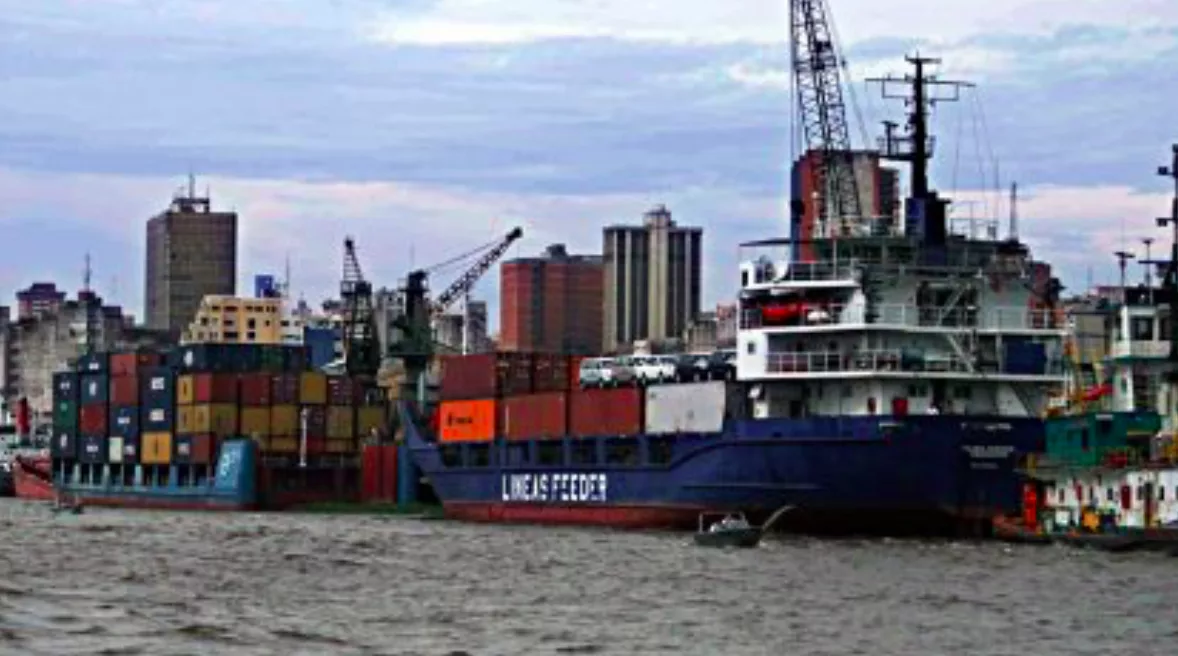
Likewise, the Executive Advance of the Foreign Trade Report highlighted that China was the main origin of imports, reaching 29.9% of the total imported.
While the other main import origins were Brazil (23%), Argentina (9.1%), the United States (8%) and India (2.4%), according to the Executive Advance.
It should be remembered that the exports registered at the end of October totaled US$8.438 billion, 6.8% less than the shipments registered as of October 2021.
If “re-exports” and “other exports” are included, the total goods exported presents an interannual decrease of 2.2%.
While verified imports totaled US$13.091 billion (CIF), 21.1% more than what was registered in the tenth month of 2021.
If “imports” are considered in FOB valuation (excluding freight and insurance costs) and include “other imports” the year-on-year increase in total imported goods was of the order of 20.3%.
with information from Portal Portuario
Key Facts
— Deep Dive
— For the complete picture, read our in-depth guide: Paraguay: Washington's Most Valued Ally in Latin America
More: Brazil news in English, every day from The Rio Times.
Editorial responsibility: Matthias Camenzind, Editor-in-Chief · Editorial standards · Report an error