RIO DE JANEIRO, BRAZIL – (Opinion) In 1975, poverty in Argentina reached eight percent of the population. By 1983, almost eight years after the failure of the military government, it had reached 14 percent. In 1989, amid hyperinflation, poverty reached 40 percent in our country. In 1999, after ten years of economic reforms and a process of modernization of the country, poverty was reduced to 24 percent.
In 2002, after a tremendous currency depreciation, poverty reached 45 percent of the population and the income of Argentines was pulverized in terms of real value. The country began to grow strongly again between late 2002 and 2008 as a result of a number of combined factors: a rebound from the crisis, an extraordinary increase in external demand mainly driven by the growth of China, a rise in commodity prices, and a phenomenal installed capacity of the productive sector and the investment in infrastructure during the previous decade.

But as of 2011, the country halted its growth trajectory as a result of an increasingly statist policy and an irresponsible increase in public spending. By late 2015, poverty stood at around 32 percent of the population, a figure that the administration then in office was unable to reduce, in a context of growing inflation resulting from the inherited and unresolved macroeconomic inconsistencies since the mega-depreciation in 2001/2002.
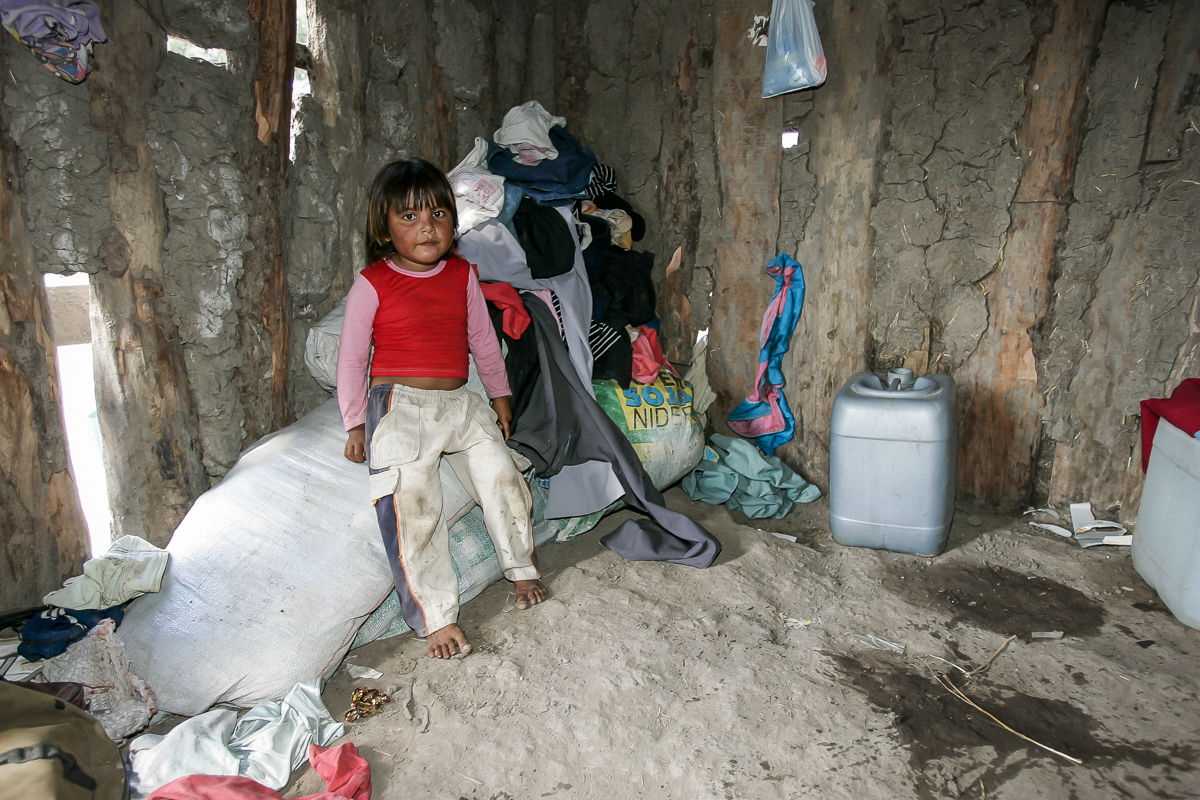
Meanwhile, early this year the outbreak of the universal plague caused by the Covid-19 pandemic further complicated Argentina’s economy. Poverty today is estimated to reach an unacceptable rate of 50 percent of the population. A higher percentage of the poor is found among the younger population.
Confronted with this poverty explosion, the different governments chose assistance programs, in most cases prompted by noble intentions. But talking every day about the poor does not solve poverty. A legion of “pobristas” (poormouths), “hambrólogos” (burgermeisters) and experts in social policies have been exhausting TV channels, newspaper pages, and radio signals for years. Without any result.
The opposite of what was intended has occurred. There are increasingly more poor people. A feeling of collective failure that cannot be eliminated with Hunger Tables, seminars, conferences, and symposia on the issue – almost always in luxurious hotels – have been replicated virtually at the rate of the poverty they sought to fight.
Of course, it would be politically unfair and historically incorrect to argue that the main responsibility for the problem lies with the current government. However, it is legitimate to complain about the lack of a comprehensive economic program proposed by the current administration, just as it is valid to note that virtually all of the measures it has adopted since it took office conspire against the stated goals of increasing economic activity and boosting job creation.
Tax increases, the imposition of extraordinary taxes, threats of expropriation, confiscation or intervention by private companies, ongoing attacks on those who seek to protect their savings by buying a measly US$200 (R$1,000) amid the third-highest inflationary economy in the world, or the existence of a fictitious exchange rate that fully discourages foreign investment, serve no purpose in encouraging investment. Neither does endorsing land seizures, before the eyes and indulgence of the authorities.
In fact, the current administration seems to insist on the enforcement and strengthening of the State-centered paradigm that has prevailed in Argentina for almost twenty years and that largely explains the failure that overwhelms us today. The Financial Times recalled last Friday that it is not the pandemic, but rather the government’s socialist policies and the threats of greater state interventionism that are driving companies out of the country.
An explosive cocktail of “draconian” capital control, import restrictions, price freezes, and an insane scheme in which those who want to invest genuine dollars must exchange them for 75 pesos when in the free market they are worth twice as much. As the President himself explained in August last year during the election campaign: dollars can be prevented from flowing out, but in the meantime, none will flow in.
The measures taken by the national government and the public statements of many of its main officials fail to reassure entrepreneurs, consumers, and the markets. Quite the opposite. It is within this horrifying framework that the national government is promoting a so-called “wealth tax”. Supposedly a one-time measure, not even the most naïve citizens believe this. The income tax was also created “for one time only”. It has been in force since the 1930s, almost a hundred years ago.
Despite all the drama, Argentina could again be a thriving country, as it was in the not so distant past, as we are often tempted to explain. But this will require great decisions, courage, and consistency. And some sense of greatness, in which the Presidents will not announce plans to pay for a haircut in installments. And understanding some issues. That merit is not a bad word. Settling is.
That private property is not a privilege but a right before the state arising from the moral concept that property is the result of human labor. And that the State was created as a result of a social contract between individuals to give up a portion of their personal freedom to ensure the protection of their rights in pursuit of a common life. Because, as President Ronald Reagan explained, the Constitution established a government to serve men, not men to serve the government.
Investment is the child of savings, and investment is the child of low taxes and legal security. But when the State becomes the enemy of those who work and produce through unbearable taxes and absurd regulations, the result is the flight of capital and the destruction of all chances of generating employment and wealth.
In order to reverse the decadent path we are on, the Government must summon all Argentines and make a historic U-turn that promotes a stabilization and growth economic program based on a popular market economy with low taxes, full respect for private property, and promotion for the generation of genuine work instead of the stigmatizing social plans that only perpetuate poverty. Compliance with the Constitution, nothing more, nothing less.
To insist on the current policies will only guarantee a future of poverty for all.
Source: infobae
More: Latin America news in English, every day from The Rio Times.
This article was produced by The Rio Times’ automated newsroom system. How we use AI · Report an error · Editorial responsibility: Matthias Camenzind, Editor-in-Chief
In depth