Only 9% of Brazilian Influencers Earn a Living from Content Creation
A recent study by Wake Creators reveals that just 9% of Brazil’s 14 million influencers earn a living solely from content creation.
Despite the perception of luxury and success, most creators rely on barter deals, with 67% receiving products in exchange for mentions rather than monetary compensation.
This leaves 19% of influencers without any paid work experience and 26% participating only in occasional campaigns. The typical Brazilian influencer is female (87%), aged between 27 and 36 (52%), and has fewer than 50,000 followers (71%).
This smaller audience size fosters closer relationships with followers but limits earning potential. Additionally, 87% of creators manage their careers independently, without agency or professional support, which increases their workload and stress.
Financial Struggles and Challenges in the Influencer Economy
Financial instability is a significant challenge for influencers. Many report anxiety, frustration, loneliness, and burnout caused by the gap between online appearances and real-life struggles.
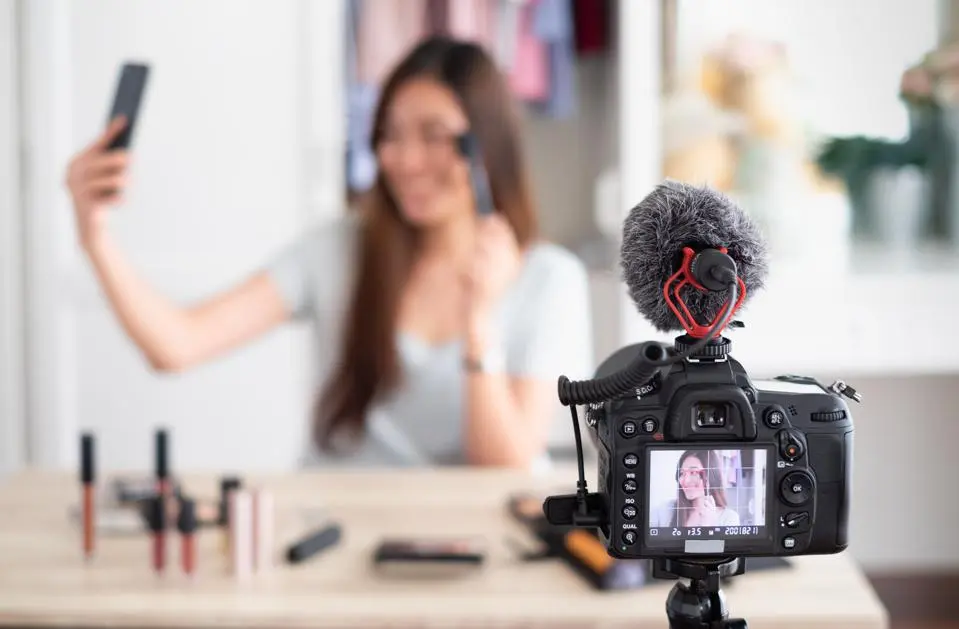
Maintaining audience engagement (50%), financial uncertainty (44%), and frequent posting demands (44%) are their biggest hurdles. Producing a single 30-second video often requires one to three hours of work, further complicating their schedules.
Instagram (97%) and TikTok (79%) dominate as the preferred platforms for content creation. Nearly half of influencers (49%) use artificial intelligence tools to streamline tasks like writing captions (29%), revising texts (24%), and brainstorming ideas (22%).
However, creative freedom remains a concern. While 59% of influencers report autonomy in producing sponsored content, 42% face strict brand control over narratives.
Beauty brands such as Garnier, Dove, L’Oréal, and Natura stand out as preferred collaborators due to fair pay and professional respect. However, many influencers reject campaigns when offered low fees or misaligned values.
In fact, 62% decline partnerships for these reasons. Globally, the creator economy is expanding rapidly. Valued at $250 billion in 2022, it is projected to reach $480 billion by 2027.
Yet, only a small fraction of creators achieve financial stability. This highlights the need for diversified income streams and better support from brands to ensure sustainable growth in the industry.
This article was drafted with automated assistance and reviewed before publication. How we use AI · Report an error · Editorial responsibility: Matthias Camenzind, Editor-in-Chief
Read More from The Rio Times