IBOV 181,978.40 ▼ 0.55% IPSA 11,130.95 ▼ 0.06% IPC MEX 64,944.41 ▼ 0.07% MERVAL 2,800,120 ▲ 0.04% COLCAP 2,581.92 ▲ 0.10% BVL PERÚ 60,220.45 ▲ 0.05% USD/BRL5.21▼ 0.21% USD/MXN17.99— 0.00% USD/CLP970.80▲ 0.25% USD/COP3,331▲ 0.85% USD/PEN3.44▲ 0.14% USD/ARS1,525▼ 0.03% USD/UYU40.27▲ 3.67% USD/PYG5,843▲ 2.30% USD/BOB11.96▲ 0.45% USD/DOP59.27▲ 2.75% USD/CRC452.68▲ 2.68% USD/GTQ7.64▲ 3.13% USD/HNL26.87▲ 3.23% USD/NIO36.62▲ 2.65% USD/VES855.74▼ 0.13% USD/PAB1.00— 0.00% USD/BZD2.00— 0.00% USD/JMD 157.28 — 0.00% USD/TTD6.70▲ 1.64% EUR/BRL5.91▲ 0.32% BRENT 88.88 ▼ 0.03% WTI 83.11 ▼ 0.11% IRON ORE 161.91 — — COPPER 6.61 ▲ 0.03% GOLD 4,461 ▲ 1.78% SILVER 65.59 ▲ 1.26% SOY 1,184 ▲ 3.20% CORN 480.50 ▲ 10.02% WHEAT 655.00 ▲ 3.93% COFFEE 317.25 ▼ 5.51% SUGAR 16.43 ▼ 1.79% ORANGE JUICE 138.55 ▼ 0.47% COTTON 85.03 ▲ 2.33% COCOA 5,719 ▲ 3.18% BEEF 223.60 ▼ 3.93% CATTLE 339.10 ▼ 3.16% LITHIUM 75.20 ▲ 1.47% PETR4 41.64 ▼ 0.05% VALE3 72.97 ▲ 0.83% ITUB4 38.60 ▼ 1.03% BBDC4 16.85 ▲ 0.36% ABEV3 14.89 ▼ 0.80% BBAS3 19.37 ▲ 0.47% B3SA3 14.26 ▼ 0.21% WEGE3 47.59 ▲ 0.49% PRIO3 59.14 ▼ 0.19% SUZB3 41.33 ▲ 2.35% RENT3 34.68 ▼ 0.09% AZZA3 15.89 ▼ 2.63% CSAN3 3.22 ▼ 1.83% RAIZ4 0.25 — 0.00% PCAR3 2.75 ▼ 0.36% GMAT3 3.65 ▼ 1.08% PSSA3 48.13 ▼ 0.54% CVCB3 1.33 ▼ 2.92% POSI3 3.36 ▲ 2.44% SLCE3 13.34 ▲ 0.30% NATU3 8.14 ▼ 0.73% IBOV 181,978.40 ▼ 0.55% IPSA 11,130.95 ▼ 0.06% IPC MEX 64,944.41 ▼ 0.07% MERVAL 2,800,120 ▲ 0.04% COLCAP 2,581.92 ▲ 0.10% BVL PERÚ 60,220.45 ▲ 0.05% USD/BRL 5.16 ▲ 0.01% USD/MXN 17.06 ▼ 0.24% USD/CLP 913.98 ▲ 0.04% USD/COP 3,140 ▲ 0.03% USD/PEN 3.36 ▼ 0.66% USD/ARS 1,493 ▲ 0.10% USD/UYU 40.27 ▲ 1.24% USD/PYG 5,939 ▲ 1.68% USD/BOB 11.64 ▼ 0.76% USD/DOP 58.34 ▲ 1.25% USD/CRC 445.92 ▲ 0.89% USD/GTQ 7.62 ▲ 2.21% USD/HNL 26.79 ▲ 1.57% USD/NIO 36.62 ▲ 0.69% USD/VES 762.44 ▼ 0.13% USD/PAB 1.00 — 0.00% USD/BZD 2.00 — 0.00% USD/JMD 157.28 — 0.00% USD/TTD 6.70 ▲ 0.61% EUR/BRL 5.95 ▲ 1.01% BRENT 88.88 ▼ 0.03% WTI 83.11 ▼ 0.11% IRON ORE 161.91 — — COPPER 6.61 ▲ 0.03% GOLD 4,461 ▲ 1.78% SILVER 65.59 ▲ 1.26% SOY 1,184 ▲ 3.20% CORN 480.50 ▲ 10.02% WHEAT 655.00 ▲ 3.93% COFFEE 317.25 ▼ 5.51% SUGAR 16.43 ▼ 1.79% ORANGE JUICE 138.55 ▼ 0.47% COTTON 85.03 ▲ 2.33% COCOA 5,719 ▲ 3.18% BEEF 223.60 ▼ 3.93% CATTLE 339.10 ▼ 3.16% LITHIUM 75.20 ▲ 1.47% PETR4 41.64 ▼ 0.05% VALE3 72.97 ▲ 0.83% ITUB4 38.60 ▼ 1.03% BBDC4 16.85 ▲ 0.36% ABEV3 14.89 ▼ 0.80% BBAS3 19.37 ▲ 0.47% B3SA3 14.26 ▼ 0.21% WEGE3 47.59 ▲ 0.49% PRIO3 59.14 ▼ 0.19% SUZB3 41.33 ▲ 2.35% RENT3 34.68 ▼ 0.09% AZZA3 15.89 ▼ 2.63% CSAN3 3.22 ▼ 1.83% RAIZ4 0.25 — 0.00% PCAR3 2.75 ▼ 0.36% GMAT3 3.65 ▼ 1.08% PSSA3 48.13 ▼ 0.54% CVCB3 1.33 ▼ 2.92% POSI3 3.36 ▲ 2.44% SLCE3 13.34 ▲ 0.30% NATU3 8.14 ▼ 0.73%
since 2009
Tuesday, September 29, 2026

Only 200 companies in São Tomé can start charging VAT

By · June 1, 2023 · 3 min read

The LatAm Brief

One email, every weekday morning. What moved in Latin American markets, politics and expat life.

Yesterday’s subject line: “Argentina gives Britain two weeks over Falklands oil”

Free. We send a confirmation link first — nothing arrives until you click it. Unsubscribe with one click in any edition. If you stop opening us for 30 days we stop sending by ourselves, as we assume the interest is no longer there. See our privacy policy. We never share your email.

Only 200 of the 380 companies identified in São Tomé and Príncipe can start collecting VAT this Thursday, the director of taxes told Lusa, which admits revenues below the €4.8 million expected this year.

“We have identified for VAT [Value Added Tax] taxable persons 380 taxpayers.”

“Approximately 200 are in good condition to start collecting VAT.”

Free daily brief — no card needed
Get every Lusophone World story in one morning email
We build you a personalized brief around the topics you follow — free for 7 days. Love it? Your first month after that is US$1.

“Of the 180, there is a group of approximately 50% that has something that needs to be fine-tuned, and to the others, we will have to give a deadline for them to fully comply so that they have all the conditions created for the effect of VAT,” explained Mário Sousa.
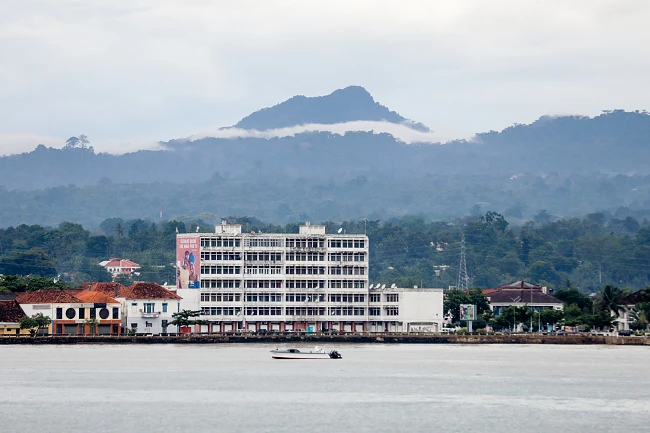
In late March, the Prime Minister of São Tomé, Patrice Trovoada, admitted that implementing the Value Added Tax could be a lifesaver in the face of the “rather worrying” situation of revenue collection in the archipelago
One-stop reference
Company Intelligence
Every listed company in Latin America — financials, ownership and structure for 1,450+ companies across 26 exchanges, in one place.
Browse the directory →
RT
Ask Rio Times
17 years of Latin America reporting, on demand.
Open the full Ask Rio Times →

According to the Director of Taxation, initially, the State of São Tomé budgeted to collect €807,000 per month, for a total of €4.8 million during the seven months of implementation of the VAT.

Still, the revenues should be lower, considering the reduction of taxable persons.

“The path is made by walking. We have to start, and then we’ll get it right […] in the first year the projection is difficult to meet,” said Mário Sousa, noting that the taxpayers identified point to the lack of energy stability in the country as one of the challenges for proper reporting of revenue to the Directorate of Taxation.

“Many who do not have this operational situation in optimal conditions, we will give them some time, probably a month, to regularize the situation and then start collecting the VAT,” he added.

On the other hand, the person in charge warned that not all taxpayers or taxpayers could collect VAT, so the institution will post notices in authorized places so that “speculators do not take the opportunity” for “illicit enrichment” with unauthorized charges that may worsen the situation of the population.

Mário Sousa appealed to the population to report possible improper charges.

“Many people had doubts because it is being propagated here that VAT will make people’s lives more expensive, and people thought that it would be levied on people’s income.”

“We made them see that VAT has nothing to do with people’s income but consumption […] I don’t see why there wasn’t that receptivity,” argued Mário Sousa.

The director of taxes argues that VAT also has the aspect of “stabilizing and regulating the market” in that it “forces people to regularize” to have the right to deduct the input VAT.

VAT will be applied at a rate of 15%, with the products in the basic food basket, namely rice, corn flour, pasta, bread, milk, and beans, benefiting from a reduction of 50% of the value of the product, which in practice is equivalent to a rate reduction of 7.5%.

In late March, the Prime Minister of São Tomé, Patrice Trovoada, admitted that implementing the Value Added Tax could be a lifebuoy in the face of the “rather worrying” situation of revenue collection in the archipelago.

“The introduction of VAT in our fiscal, legal system is an imposition, it is a reality, it is unavoidable today, but it is not, as has been said or implied, a demand from our partners.”

“It is an appropriation of ours, and it is good that it is understood in this way since it has taken many months [since 2019] to reach the stage where we are today, after many promises made to our international partners, namely the IMF [International Monetary Fund], and that have only contributed to discrediting the São Tomean State,” explained the Prime Minister of São Tomé and Príncipe.

Patrice Trovoada said that “the Government is fully engaged in this reform” and that, since it is a matter of revenues, the executive “will do its best so that these revenues touch the day-to-day lives of São Toméans in terms of improving living conditions”.

With information from Lusa

News São Tomé and Príncipe, English news São Tomé and Príncipe, San Tomean economy

This article was produced by The Rio Times’ automated newsroom system. How we use AI · Report an error

Read More from The Rio Times

The Rio Times · Power Map
See who really holds power in Latin America
Click to open the Power Map →

Rotate for Best Experience

This report is optimized for landscape viewing. Rotate your phone for the full experience.