Obesity Surgery Cases in Brazil Increased Almost 85 Percent in Seven Years
RIO DE JANEIRO, BRAZIL – The number of obese individuals in Brazil grew 67.8 percent between 2006 and 2018, according to data from the VIGITEL (Surveillance of Risk Factors and Protection for Chronic Diseases by Telephone Survey), which was released on Thursday, July 25th, by the Ministry of Health.
And as obesity spread the number of bariatric surgeries performed in Brazil has increased even more — 84.73 percent — rising from 34,629 cases in 2011 to 63,969 in 2018, according to a survey by the Brazilian Society of Metabolic and Bariatric Surgery (SBCBM).
Over the survey’s eight year period, 424,682 people underwent a stomach reduction procedure, corresponding to 3.12 percent of those within the group of eligible patients and for whom surgery is recommended (13.6 million throughout the country).

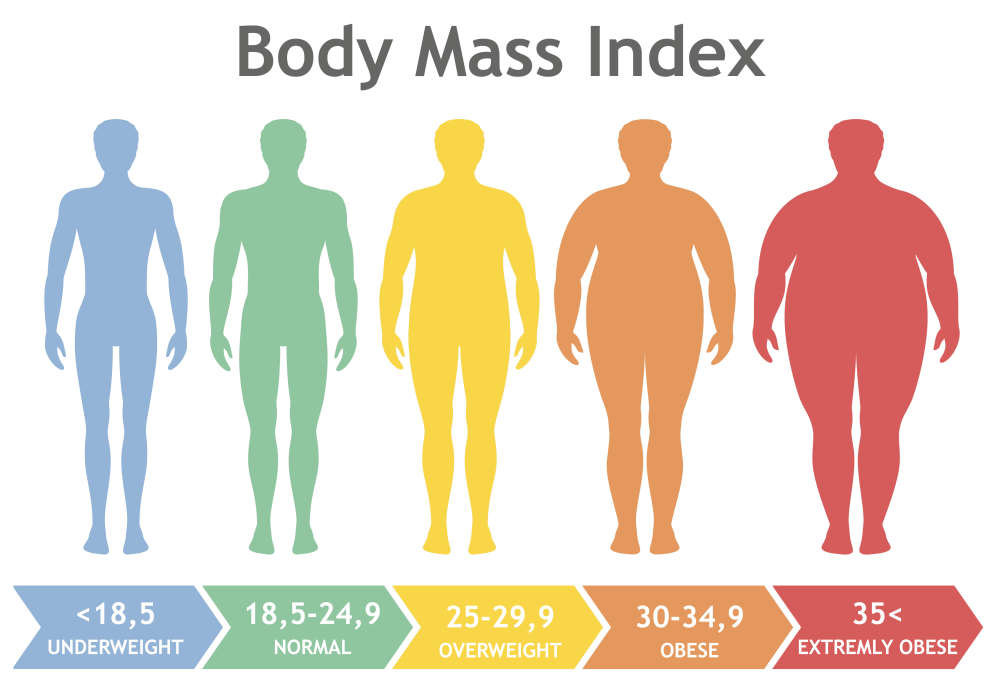
According to the VIGITEL survey, obesity affects 18.8 percent of Brazilians and more than half (55.7 percent) of the populace are overweight.
These people may have their quality of life affected by diseases such as hypertension, type 2 diabetes, cholesterol and triglyceride alterations, in addition to increasing the chances of atherosclerosis, in addition to other pathologies.
“Obesity must be seen today as a disease. It is not lack of willpower, it is not neglect, it is a disease that does not allow individuals to lose weight. There is an imbalance between the feeling of hunger and satiation and thus patients eat more than they should or even if they eat less, they spend few calories and gain weight throughout their lives”, explained Admar Concon Filho, bariatric surgeon and member of the SBCBM.
The data also show that, of the 63,969 bariatric surgeries performed in 2018, 77.4 percent were financed through medical insurance, 17.8 percent were by the free public health system SUS (“Unified Health System”) and 4.8 percent, with private resources.
“Some people do not have access to the procedure, either because of where they live, because they do not have a medical plan or other reasons; others are afraid to undergo the procedure and others do not have any information at all. In other cases, the obese need to acknowledge themselves as having an incurable chronic disease,” he said.
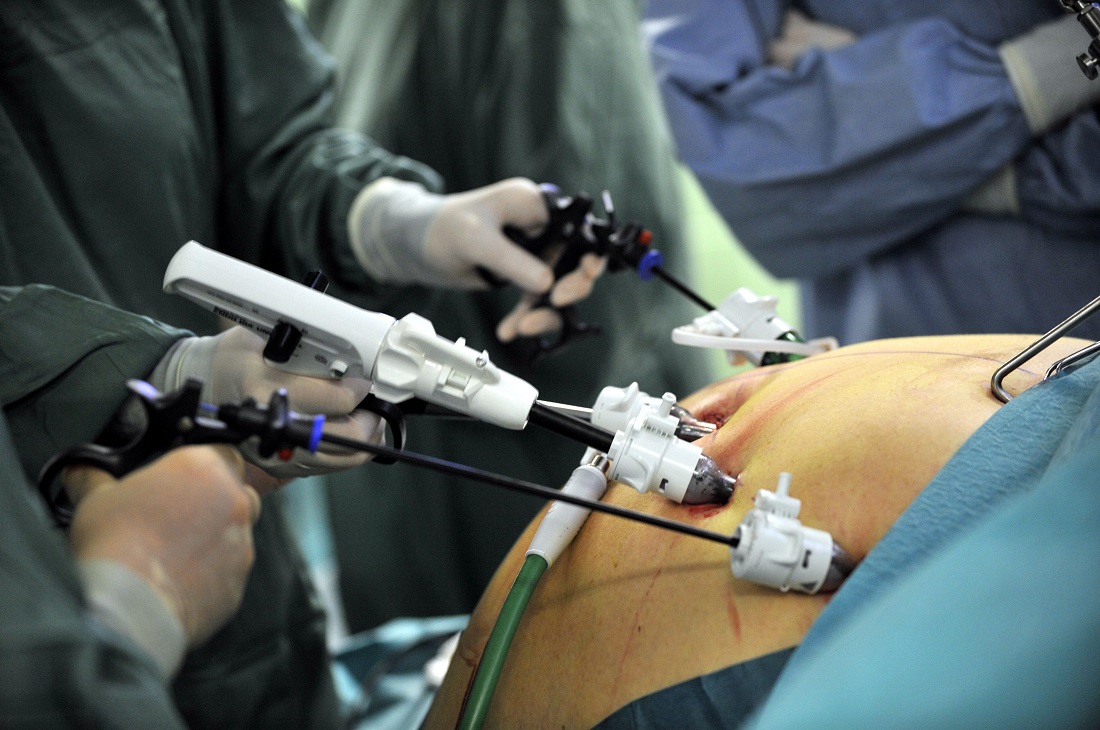
Another reason that keeps patients away from surgery is fear. According to Concon, in the past, the mortality rate was around two to three percent, while today it is performed by laparoscopy and has become minimally invasive, leaving the rate of complications similar to that of a cesarean section or a gallbladder surgery, which is less than 0.5 percent.
“People do not know this, so a major awareness campaign is required. Nowadays it is already known that the best treatment for morbid obesity is bariatric surgery because in conservative clinical treatment the weight loss is very low and the relapse is very high. The chance for the obese who do not undergo surgery to die from obesity is much greater than the chance of dying from the surgery itself,” he said.
Bariatric surgery is recommended for individuals who have been obese for over two years, who have tried clinical treatment with endocrinologists or obesity specialists to lose weight and were not successful.
“We take into account the BMI (Body Mass Index) which is calculated based on the patient’s weight and height. Surgery is recommended for those with a BMI of more than 40, and for those with a BMI over 35, who have diseases caused or aggravated by obesity”.
Concon also stressed the importance of the patient being followed by a multidisciplinary team made up of psychologists, nutritionists, endocrinologists, cardiologists, physical trainers, nurses, and audiologists.
“Patients must be aware that they will have tools that will help them lose weight, but they must be involved, following all post-surgery recommendations, including the endocrinologist’s follow-up for the rest of their lives, because the obesity disease is still there”.
Through a note, the Ministry of Health reported that bariatric surgeries are recommended in cases in which the morbidly obese can not lose weight by dieting, which is the last resort for these cases. The procedure is allowed only for those who have undergone clinical evaluation and follow-up with a multidisciplinary team for at least two years, noting whether the results obtained from the preparation were positive.
“The SUS system offers bariatric and restorative surgeries to citizens over 16 years of age diagnosed with severe obesity since 2008”. The SUS offered five types of bariatric surgeries and incorporated the technique of laparoscopic gastroplasty.
“It is a less invasive technique, which allows weight loss both through a reduction in stomach size and a reduction in the intestinal surface,” said the Ministry of Health.
According to data from the Ministry, there were 11,402 bariatric surgeries carried out by SUS in 2018, costing some R$72.9 million in federal funds. By May 2019, a total of 5,073 procedures had been performed throughout the country and the cost has reached R$31.5 million.
The amounts are transferred to local administrative units, which monitor the list of patients who will undergo bariatric surgery, based on medical recommendation.
The Ministry further clarified that to help with the adoption of a healthier diet, the portfolio provides the Dietary Guidelines for the Brazilian Population and the book Alimentos Regionais Brasileiros (Brazilian Regional Foods), which provide information and guidance to enable the adoption of more suitable choices, based mainly on the consumption of fresh or minimally processed foods.
“Brazil has also committed itself to reduce 144,000 tons of sugar from cakes, cake mixes, dairy products, chocolate products, sweet drinks, and filled biscuits, following the same parameters as those used to reduce sodium, which was able to remove more than 17,000 tons of sodium from processed foods in four years,” says the note.
Source: Agência Brasil
More: Brazil news in English, every day from The Rio Times.
This article was drafted with automated assistance and reviewed before publication. How we use AI · Report an error · Editorial responsibility: Matthias Camenzind, Editor-in-Chief