Nigeria’s Regional Development Commissions Got US$1.9 Billion Last Year. One Zone Got Nothing.
NIGERIA · POLITICS
Key Facts
- —The system Nigeria is divided into six geopolitical zones, each now with a federal body funnelling money to it.
- —Why they exist Decades of complaints that some regions were being left behind, and oil money never reached them.
- —The money About 2.49 trillion naira, roughly US$1.9 billion, went to these bodies in the 2025 budget.
- —The order The president told his cabinet secretary on Monday to release funds owed to the North Central body.
- —Why that one It was created in February 2025, after the budget was written, and received nothing in it.
- —The catch The money was classified under personnel cost, which several Nigerian outlets flagged as odd.
Nigeria has six geopolitical zones and seven bodies handing out federal money to them. Getting one is how a region proves it matters.
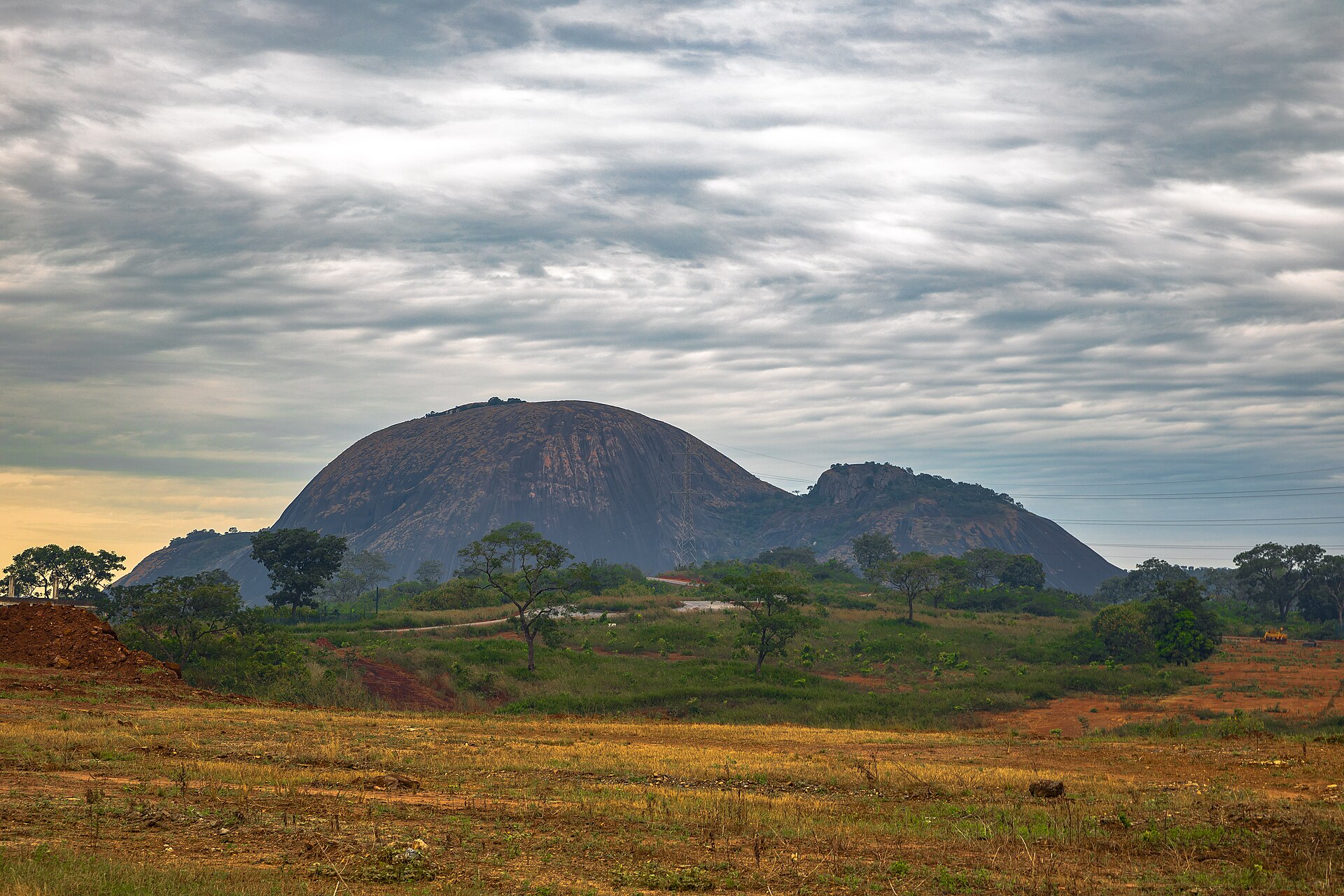
Nigeria divides itself into six geopolitical zones, a grouping that appears in no constitution but governs almost everything. Its regional development commissions are how federal money follows those lines.
Over the last two years every zone has acquired such a body. There are now seven, and on Monday the president ordered money released to the newest.
Where the Idea Came From
The first, for the Niger Delta, was created in 2000. It answered a grievance about oil money leaving a region that kept the pollution and saw few of the proceeds.
A second followed in 2017 for the North East, where an insurgency had emptied whole districts. Those two were responses to particular emergencies.
Then the model spread. The North West and South East got theirs in July 2024, and North Central in February 2025.
The South West and South South followed in March 2025. Within eight months every zone had one.
A Ministry of Regional Development was created in October 2024 to supervise them all. What began as two crisis responses is now a standing system of regional patronage.
The Money
The 2025 federal budget allocated about 2.49 trillion naira to these bodies, roughly US$1.9bn at 1,326.52 naira to the dollar. The distribution was not even.
The Niger Delta commission took 776.53 billion naira, about US$585m, the largest single share. The North West received 585.93 billion naira, around US$442m.
The South West got 498.40 billion naira, about US$376m, and the South East 341.27 billion naira, around US$257m. The North East received 291 billion naira, about US$219m.
Five commissions, five allocations. Nigeria has six zones.
The Zone That Was Not There
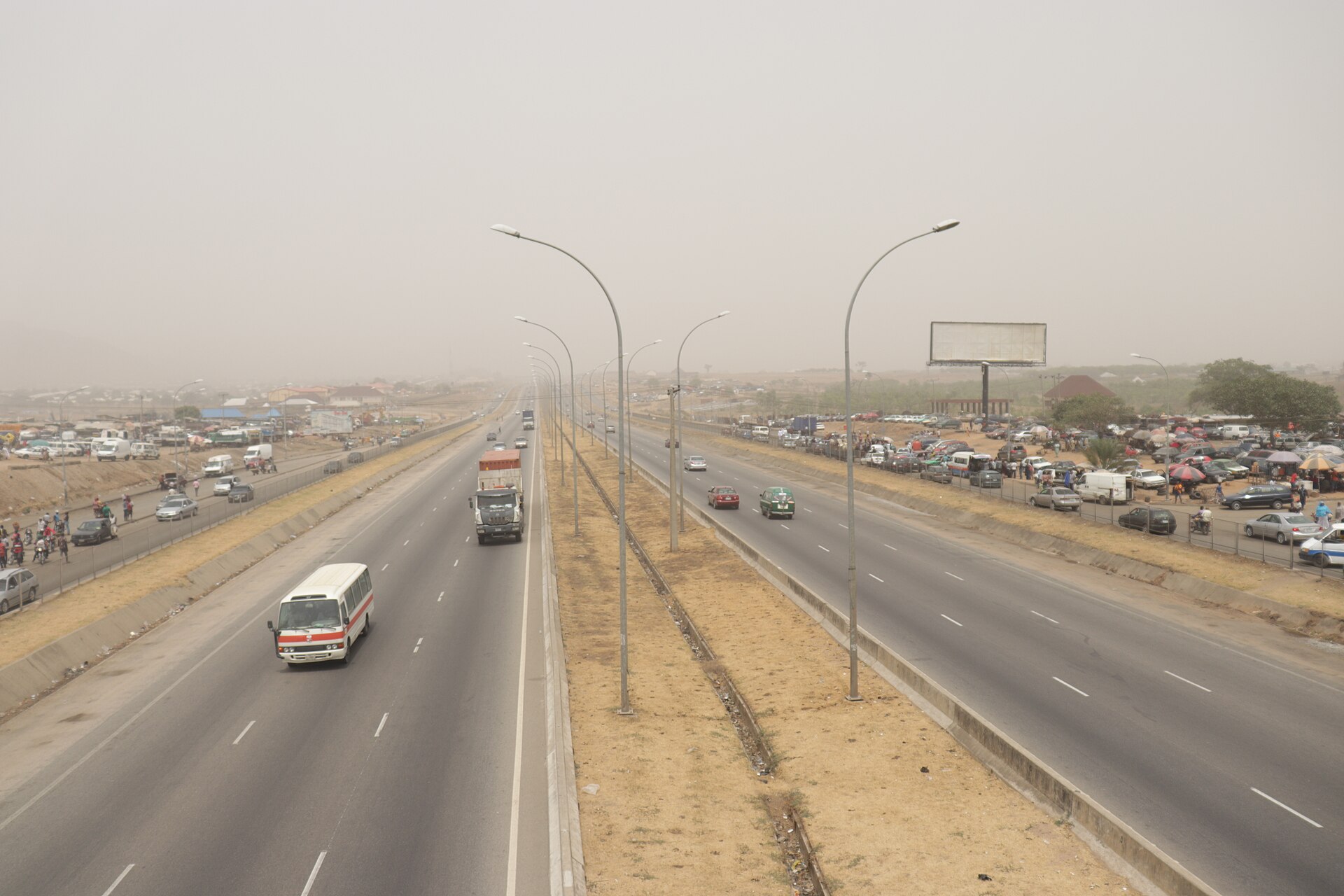
North Central received nothing in the 2025 budget. When that budget was drawn it was the only zone without a commission.
Its body was signed into law on 4 February 2025, after the fact. The money had already been divided five ways.
The omission was noticed at the time. Nigerian outlets ran the budget table under headlines about the exclusion, and a ruling party forum in the zone protested.
That is what makes Monday’s order worth reading closely. The president directed his cabinet secretary to ensure that all funds accruable to the commissions are released as and when due.
The occasion was a North Central development summit in Abuja, where the zone unveiled a twenty-year plan. A region that got nothing from the table is now being told the money will come.
The regional development commissions table everyone is quoting, worth about US$1.9bn, is the one that excludes this commission entirely. That is the gap in the story.
Why Timing Is the Real Power
The commissions are framed around infrastructure, security and economic empowerment. The framing matters less than the cash flow.
Federal leverage in Nigeria operates through when money is released rather than how much is voted. A delayed disbursement extracts concessions that an outright refusal never could.
That is why a presidential instruction to release funds is itself a political act. It signals responsiveness to a region and reminds everyone who controls the tap.
It also reinforces the position of the cabinet secretary as gatekeeper of transfers between the federal government and the zones. George Akume holds that office.
A Detail Worth Noticing
Several Nigerian outlets flagged that the whole sum, about US$1.9bn, was allocated under personnel cost. For bodies meant to build roads and clinics, that is an unusual classification.
There is also a chronology that does not quite resolve. The budget gave the South West commission about US$376m, yet that body was not signed into law until March 2025.
Either the budget anticipated a body that did not yet exist, or one of the dates in circulation is wrong. Neither possibility has been explained.
For state governors the commissions are a mixed blessing. They bring federal money in, and they spend it on projects the state might otherwise have run.
More: Africa news in English, every day from The Rio Times.
Frequently Asked Questions
What are Nigeria’s regional development commissions?
Federal bodies that channel money to Nigeria’s six geopolitical zones. There are seven, beginning with the Niger Delta commission in 2000 and the North East in 2017, with five more created between July 2024 and March 2025.
How much money is involved?
About 2.49 trillion naira in the 2025 federal budget, roughly US$1.9bn. The Niger Delta commission received the largest share at 776.53 billion naira, about US$585m.
Why did the president order funds released?
He directed the Secretary to the Government of the Federation to ensure funds due to the commissions are released when due, speaking at a North Central development summit in Abuja on 14 September 2026.
Why does North Central matter here?
It received nothing in the 2025 budget, because its commission was only signed into law in February 2025, after the budget was drawn. It was the last zone to get one.
Why do the commissions exist at all?
They answer long-running complaints of regional neglect, starting with the Niger Delta, where oil wealth was extracted from a region that saw little benefit and severe environmental damage.
Sources: Vanguard and ThisDay of 14 September 2026, Nairametrics, Businessday, Economic Confidential, Premium Times and Sahara Reporters.
This article was produced by The Rio Times’ automated newsroom system. How we use AI · Report an error
Read More from The Rio Times