Niamey Enforces Plastic Bag Ban in Supermarkets From 2027
Niger · POLICY
Key Facts
—National ban: Law No. 2014-63 of 5 November 2014 prohibits production, import, sale, use and storage of low-density flexible plastic bags.
—Niamey deadline: Supermarkets must phase out non-biodegradable carrier bags by 31 December 2026, with enforcement from 1 January 2027.
—Targeted products: Non-biodegradable, non-oxo-degradable low-density flexible plastic bags. The under-15-microns threshold is set by the Niamey municipal order, not the national law.
—Penalties: Producers and sellers face 6 months to 1 year in prison and fines of 500,000 to 5,000,000 CFA francs.
—User fines: Domestic users face a fine of 100 CFA francs per bag under the national law.
—Exemptions: Some biodegradable or oxo-degradable packaging and certified medium/high-density plastics remain allowed.
Niger is moving from a law on paper to real enforcement of its plastic bag ban, with Niamey supermarkets given until 31 December 2026 to switch away from non-biodegradable carrier bags before penalties begin on 1 January 2027.
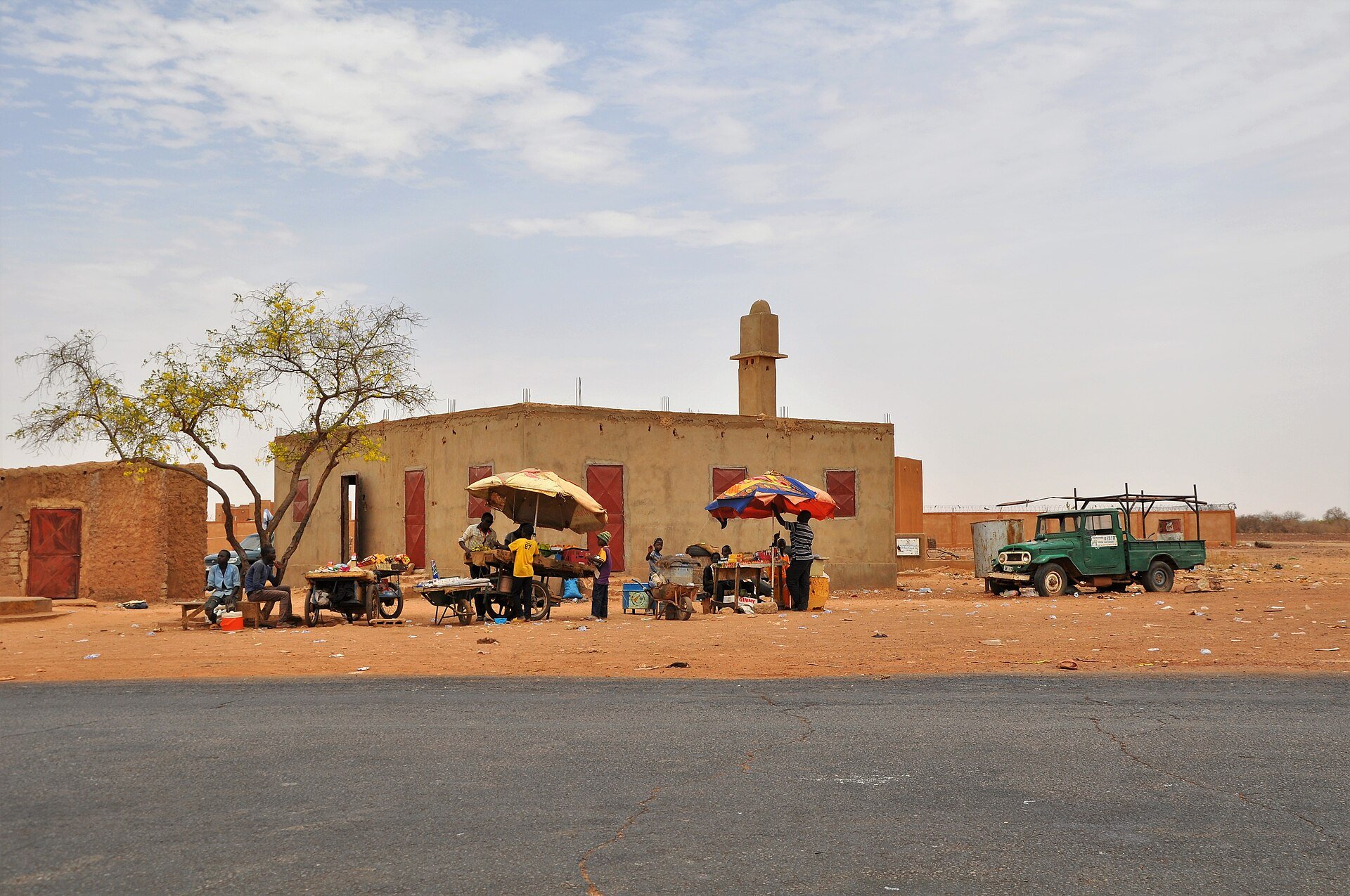
What the Niger plastic bag ban actually requires
Niger has had a national plastic bag ban since 2014, but enforcement has been weak for more than a decade. Law No. 2014-63 of 5 November 2014 prohibits the production, import, sale, use and storage of low-density flexible plastic bags and packaging across the country.
The implementing decree, Decree No. 2015-321/PRN/MESU/DD of 25 June 2015, sets the application rules. The national law defines the banned material by density rather than thickness. The 15-micron threshold comes from the Niamey municipal order of 1 June 2026, which targets non-biodegradable, non-oxo-degradable bags of less than 15 microns.
Niamey city authorities issued a local decree in June 2026 requiring supermarkets to stop using the targeted plastic bags and packages. The transition period runs until 31 December 2026, with enforcement starting on 1 January 2027.
Penalties and enforcement risks for business
The national law carries serious consequences for anyone who produces, imports, transports, sells or stores banned bags. Offenders face 6 months to 1 year in prison and fines of 500,000 to 5,000,000 CFA francs.
Domestic users face a much smaller fine of 100 CFA francs per bag. Law No. 2014-63 itself sets the penalty for professional users at 3 to 6 months imprisonment and fines of 100,000 to 1,000,000 CFA francs, doubled on a repeat offence.
Authorities can also seize and confiscate non-compliant bags and transport means. The six-month transition window suggests officials want to avoid immediate disruption while forcing a market switch by 2027.
Who gains and who pays for the switch
This is a compliance story as much as an environmental one. Supermarkets and retailers must absorb the cost of shifting to paper, reusable, biodegradable or basket-based alternatives.
The move will likely affect importers, wholesalers, retailers and informal packaging supply chains. That is especially true if enforcement becomes real after years of weak implementation.
Exemptions remain for some biodegradable or oxo-degradable packaging, some certified medium and high-density plastics, and bags used for industrial, agricultural or sanitary purposes. Special authorization can also apply in certain cases.
A governance test in the Sahel
Niger is highly exposed to desertification, water stress and climate vulnerability. Plastic waste is part of a wider urban environmental management problem rather than a standalone issue.
The country has framed environmental protection as part of national policy, including a broader environment and sustainable development policy. A National Environment Fund supports anti-desertification measures, reforestation and cleaner technologies.
The crackdown fits into a broader Sahel governance narrative. Basic-state enforcement, urban sanitation and public-health regulation are increasingly tied to legitimacy in a politically fragile environment.
Regional and global plastic politics
Niger is not acting alone. The move echoes the direction taken by Nigeria, where the environment ministry announced a move against single-use plastics in 2024, showing how plastic regulation is becoming a mainstream policy tool in West Africa.
The issue also intersects with the global push for a plastics treaty. African states argue that rich-country plastic production and exports are part of the problem while African cities carry the disposal burden.
For Niger specifically, visible enforcement on pollution can help demonstrate administrative capacity to lenders and partners. The fiscal stakes are small compared with mining, security or aid flows, but the governance symbolism is high, as explored in Africa: The New Scramble.
What to watch next
The key date is 1 January 2027, when Niamey enforcement begins. The six-month window gives supermarkets time to source alternatives and run down existing stock.
The real test will be whether authorities sustain enforcement beyond the initial deadline. Past experience suggests the gap between law and practice can be wide.
Niger has been working with international financial institutions on climate and sustainability-linked reforms, including an International Monetary Fund-supported framework that references measurement, reporting and verification mechanisms. That donor-facing angle may keep pressure on officials to show results.
Frequently Asked Questions
When does Niger’s plastic bag ban take effect in Niamey?
Niamey supermarkets must phase out non-biodegradable carrier bags by 31 December 2026, with enforcement starting on 1 January 2027.
What are the penalties for breaking Niger’s plastic bag ban?
Producers and sellers face 6 months to 1 year in prison and fines of 500,000 to 5,000,000 CFA francs, while domestic users face 100 CFA francs per bag.
Are any plastic bags exempt from Niger’s ban?
Yes, some biodegradable or oxo-degradable packaging, certified medium and high-density plastics, and bags for industrial, agricultural or sanitary purposes remain allowed.
Connected Coverage
For more on how environmental enforcement connects to governance and great-power competition across the continent, read Africa: The New Scramble.
Sources
This article was produced by The Rio Times’ automated newsroom system. How we use AI · Report an error
LatAm Markets: Live Signals → — real-time movers, turnover leaders and FX across Latin America.
Read More from The Rio Times