IBOV 175,291.26 ▲ 0.40% IPSA 11,425.13 ▲ 0.49% IPC MEX 66,090.98 ▼ 0.15% MERVAL 3,007,801 ▼ 0.57% COLCAP 2,493.41 ▼ 0.45% BVL PERÚ 60,629.82 ▼ 0.05% USD/BRL5.16▲ 0.22% USD/MXN16.97▲ 0.05% USD/CLP925.59▲ 0.43% USD/COP3,156▲ 1.99% USD/PEN3.34▼ 0.01% USD/ARS1,512▼ 0.15% USD/UYU40.25▲ 1.53% USD/PYG5,905▲ 0.48% USD/BOB11.65▲ 2.81% USD/DOP58.25▲ 0.75% USD/CRC448.38▲ 1.62% USD/GTQ7.63▲ 2.37% USD/HNL26.83▲ 1.77% USD/NIO36.62▲ 0.79% USD/VES789.35▼ 0.13% USD/PAB1.00— 0.00% USD/BZD2.00— 0.00% USD/JMD 157.28 — 0.00% USD/TTD6.73▲ 1.14% EUR/BRL6.01▲ 0.18% BRENT 88.88 ▼ 0.03% WTI 83.11 ▼ 0.11% IRON ORE 161.91 — — COPPER 6.61 ▲ 0.03% GOLD 4,461 ▲ 1.78% SILVER 65.59 ▲ 1.26% SOY 1,184 ▲ 3.20% CORN 480.50 ▲ 10.02% WHEAT 655.00 ▲ 3.93% COFFEE 317.25 ▼ 5.51% SUGAR 16.43 ▼ 1.79% ORANGE JUICE 138.55 ▼ 0.47% COTTON 85.03 ▲ 2.33% COCOA 5,719 ▲ 3.18% BEEF 223.60 ▼ 3.93% CATTLE 339.10 ▼ 3.16% LITHIUM 75.20 ▲ 1.47% PETR4 41.64 ▼ 0.05% VALE3 72.97 ▲ 0.83% ITUB4 38.60 ▼ 1.03% BBDC4 16.85 ▲ 0.36% ABEV3 14.89 ▼ 0.80% BBAS3 19.37 ▲ 0.47% B3SA3 14.26 ▼ 0.21% WEGE3 47.59 ▲ 0.49% PRIO3 59.14 ▼ 0.19% SUZB3 41.33 ▲ 2.35% RENT3 34.68 ▼ 0.09% AZZA3 15.89 ▼ 2.63% CSAN3 3.22 ▼ 1.83% RAIZ4 0.25 — 0.00% PCAR3 2.75 ▼ 0.36% GMAT3 3.65 ▼ 1.08% PSSA3 48.13 ▼ 0.54% CVCB3 1.33 ▼ 2.92% POSI3 3.36 ▲ 2.44% SLCE3 13.34 ▲ 0.30% NATU3 8.14 ▼ 0.73% IBOV 175,291.26 ▲ 0.40% IPSA 11,425.13 ▲ 0.49% IPC MEX 66,090.98 ▼ 0.15% MERVAL 3,007,801 ▼ 0.57% COLCAP 2,493.41 ▼ 0.45% BVL PERÚ 60,629.82 ▼ 0.05% USD/BRL 5.16 ▲ 0.01% USD/MXN 17.06 ▼ 0.24% USD/CLP 913.98 ▲ 0.04% USD/COP 3,140 ▲ 0.03% USD/PEN 3.36 ▼ 0.66% USD/ARS 1,493 ▲ 0.10% USD/UYU 40.27 ▲ 1.24% USD/PYG 5,939 ▲ 1.68% USD/BOB 11.64 ▼ 0.76% USD/DOP 58.34 ▲ 1.25% USD/CRC 445.92 ▲ 0.89% USD/GTQ 7.62 ▲ 2.21% USD/HNL 26.79 ▲ 1.57% USD/NIO 36.62 ▲ 0.69% USD/VES 762.44 ▼ 0.13% USD/PAB 1.00 — 0.00% USD/BZD 2.00 — 0.00% USD/JMD 157.28 — 0.00% USD/TTD 6.70 ▲ 0.61% EUR/BRL 5.95 ▲ 1.01% BRENT 88.88 ▼ 0.03% WTI 83.11 ▼ 0.11% IRON ORE 161.91 — — COPPER 6.61 ▲ 0.03% GOLD 4,461 ▲ 1.78% SILVER 65.59 ▲ 1.26% SOY 1,184 ▲ 3.20% CORN 480.50 ▲ 10.02% WHEAT 655.00 ▲ 3.93% COFFEE 317.25 ▼ 5.51% SUGAR 16.43 ▼ 1.79% ORANGE JUICE 138.55 ▼ 0.47% COTTON 85.03 ▲ 2.33% COCOA 5,719 ▲ 3.18% BEEF 223.60 ▼ 3.93% CATTLE 339.10 ▼ 3.16% LITHIUM 75.20 ▲ 1.47% PETR4 41.64 ▼ 0.05% VALE3 72.97 ▲ 0.83% ITUB4 38.60 ▼ 1.03% BBDC4 16.85 ▲ 0.36% ABEV3 14.89 ▼ 0.80% BBAS3 19.37 ▲ 0.47% B3SA3 14.26 ▼ 0.21% WEGE3 47.59 ▲ 0.49% PRIO3 59.14 ▼ 0.19% SUZB3 41.33 ▲ 2.35% RENT3 34.68 ▼ 0.09% AZZA3 15.89 ▼ 2.63% CSAN3 3.22 ▼ 1.83% RAIZ4 0.25 — 0.00% PCAR3 2.75 ▼ 0.36% GMAT3 3.65 ▼ 1.08% PSSA3 48.13 ▼ 0.54% CVCB3 1.33 ▼ 2.92% POSI3 3.36 ▲ 2.44% SLCE3 13.34 ▲ 0.30% NATU3 8.14 ▼ 0.73%
since 2009
Thursday, August 27, 2026

New Research Reveals the Global South’s Hidden Subsidy of Northern Lifestyles

By · August 15, 2024 · 2 min read

Daily Brief

The morning intel from across Latin America. Free.

By subscribing you agree to our privacy policy. We never share your email.

A groundbreaking study published in Nature challenges the notion that workers from the Global South are harming the North by taking away jobs.

This research shows a stark disparity in labor contributions and earnings: Southern workers perform 90% of the global economy’s labor but only earn 21% of its income. This imbalance subsidizes the North’s lifestyle at the South’s expense.

The study finds that an additional 826 billion hours of Southern labor—equivalent to 369 million workers—silently bolster Northern economies, exceeding the total workforce of the United States and the European Union combined.

This labor isn’t just unskilled; it includes 76% of the highly skilled, 91% of the medium skilled, and 96% of the low skilled labor globally. The South now surpasses the North in high-skilled labor contributions across all skill levels.

Data indicates the Northern development model depends on exploiting external resources, providing no incentive for developing the South.
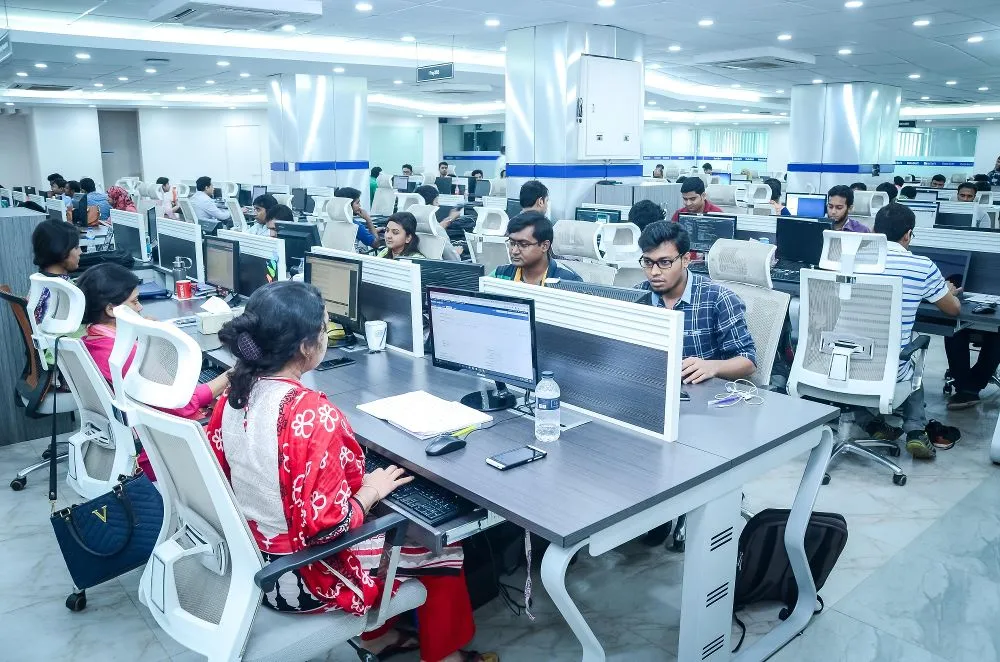
New Research Reveals the Global South's Hidden Subsidy of Northern Lifestyles - Freelancer Office in Bangladesh. (Photo Internet reproduction)
New Research Reveals the Global South’s Hidden Subsidy of Northern Lifestyles – Upwork Freelancer Office in Bangladesh. (Photo Internet reproduction)
One-stop reference
Company Intelligence
Every listed company in Latin America — financials, ownership and structure for 1,450+ companies across 26 exchanges, in one place.
Browse the directory →
RT
Ask Rio Times
17 years of Latin America reporting, on demand.
Open the full Ask Rio Times →

The South cannot mimic the Northern model, lacking other regions to exploit. Instead, it must forge a path that avoids exploitation, similar to China’s use of its workforce and increasing automation.

The study underscores a concerning trend: Southern workers’ wages are 83-98% lower than their Northern counterparts for comparable jobs. This wage disparity has grown over time, worsening North-South income inequality.

Efforts in the past to make things fairer haven’t lasted. During the 1980s and 1990s, poorer countries were pushed to cut costs and focus on exports to make money.

This made things even worse, as companies from richer countries moved their production to take advantage of lower wages, deepening the unfairness.

New Research Reveals the Global South’s Hidden Subsidy of Northern Lifestyles

Although there was a slight improvement from 2005 to 2015, the gap in wages between richer and poorer countries hasn’t really closed.

In 2021, the average worker in the South made only €1.62 an hour compared to €24.95 in the North. This shows how deeply unequal the global economic system is.

To remedy this, the study proposes shifting the power balance through development and poverty reduction strategies.

It suggests setting international minimum wage floors and resource prices, reducing price disparities, and limiting value extraction.

It also calls for ending structural adjustments in financial policies and democratizing global economic institutions.

This would allow Southern governments to enact independent policies for industrial, fiscal, and monetary growth.mpass justice and sustainable development, aiming for a globally balanced future.

Download the study here.

This article was drafted with automated assistance and reviewed before publication. How we use AI · Report an error

Read More from The Rio Times

The Rio Times · Power Map
See who really holds power in Latin America
Click to open the Power Map

Rotate for Best Experience

This report is optimized for landscape viewing. Rotate your phone for the full experience.