Reshaping the A.I. Chip Market: Asian Startups Challenge Nvidia’s Dominance
A growing cohort of Asian startups is poised to disrupt Nvidia’s stronghold in the AI chip industry.
These companies are developing alternatives to Nvidia’s energy-intensive and expensive GPUs, targeting both the inference and training aspects of AI applications.
The initiative is driven by a clear market need for more efficient and cost-effective chips suitable for smaller devices like laptops and wearables, where Nvidia’s bulky designs fall short.
Nvidia’s top-tier AI chips for data centers come with a hefty price tag—up to $40,000 each. This high cost makes them a less viable option for companies looking to invest in AI without significant financial strain.
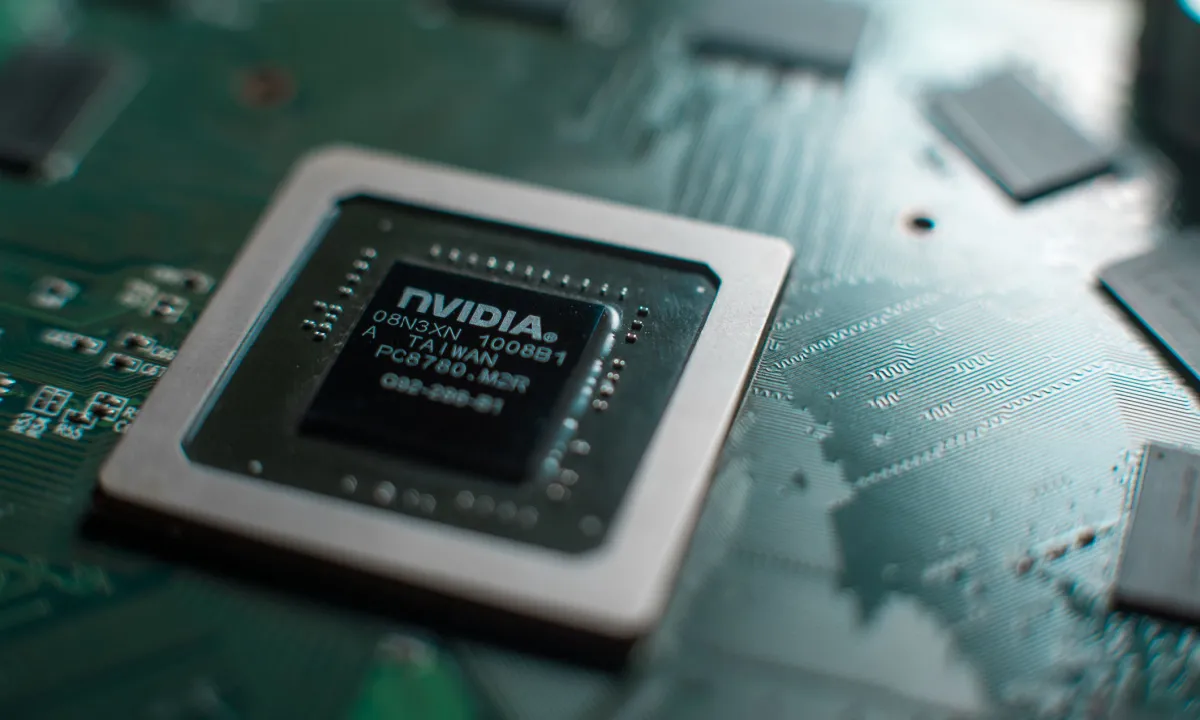
Additionally, these chips consume a vast amount of power, with Nvidia’s latest models using as much energy as 1,200 watts, equivalent to the yearly electricity usage of over a thousand households.
The startups, like Preferred Networks and Edgecortix, are not merely focusing on undercutting Nvidia on price and power.
They are also innovating in chip architecture to enhance performance in specific applications such as industrial automation and robotics.
For example, Preferred Networks aims to introduce AI accelerator chips by 2027 that are both more powerful and less power-hungry than Nvidia’s current offerings.
Shifting Dynamics in AI Chip Technology
Meanwhile, Edgecortix addresses the ‘memory wall’ problem by designing chips that reduce the need for frequent memory access. This approach saves energy and reduces latency.
This competitive landscape is further enriched by the involvement of tech giants like Google, Amazon, and Meta, all of which are developing specialized AI chips to power their expansive digital services.
Strategic manufacturing investments in Asia also influence market dynamics. These investments enhance local capabilities and position the region as a critical player in the global semiconductor industry.
In essence, these developments suggest a significant shift toward more sustainable and economically feasible AI technologies.
As these startups continue to innovate, they not only challenge Nvidia’s market dominance. They also drive the industry towards a future where AI chips are both more accessible and environmentally friendly.
This is not just corporate competition; it’s a pivotal change that could democratize AI technology. It aims to make AI more integrated into everyday devices while addressing critical issues of cost and energy consumption.
This article was produced by The Rio Times’ automated newsroom system. How we use AI · Report an error · Editorial responsibility: Matthias Camenzind, Editor-in-Chief