Navigating Brazil’s Impact on Worldwide Oil Supply
In the world of global oil, Brazil has recently reclaimed its position as a significant contributor in 2024.
Starting the year with a production of 3.73 million barrels daily, the country faced a setback, losing nearly 25% due to maintenance on offshore platforms.
Yet, Brazil has swiftly regained more than a third of this loss, presenting new challenges to OPEC’s price control strategies.
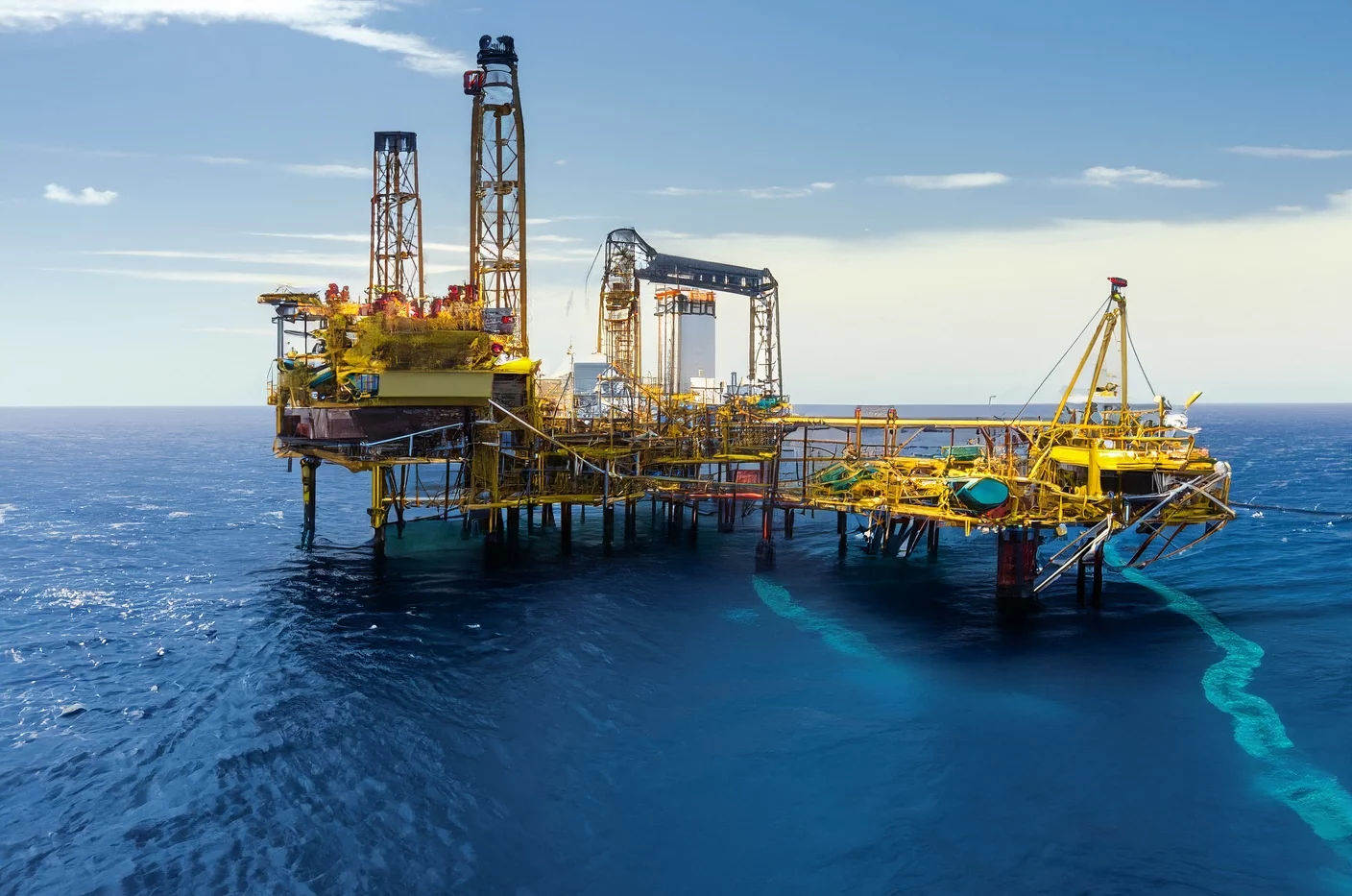
Offshore oil fields in Brazil, akin to the U.S. shale, regularly influence the global oil equilibrium.
OPEC has softened export regulations against the backdrop of these disruptions, a move that could misfire amid Brazil’s robust recovery.
Amidst these shifts, Petrobras, Brazil’s state-run oil giant, pushes forward.
The company plans to launch a new vessel by late 2024, which will ramp up production by 100,000 barrels a day.
This development underscores Brazil’s ongoing dialogue with OPEC, even as it refrains from limiting its output, maintaining a delicate balance between cooperation and autonomy.
Brazil’s oil output is set to rise this year, as projected by Wood Mackenzie Ltd.
Following recent downtimes, output should exceed prior levels by 200,000 barrels daily as two offshore fields start production.
Conversely, experts cautiously predict a daily production cap of 3.5 million barrels for the year’s remainder.
Strikes at Ibama, Brazil’s environmental agency, have delayed key permits, cutting oil production by up to 80,000 barrels daily.
Additionally, Tupi, once a prolific field, now requires renewed investments to counter its declining output.
Navigating Brazil’s Impact on Worldwide Oil Supply
Petrobras is in talks to extend its exploitation license, vital for its future investments.
In recent communications, Petrobras attributed the production dips to scheduled maintenance, signaling a phased return to former productivity levels.
Brazil’s influence on the global oil market grows, reshaping power dynamics and supply strategies worldwide.
This ongoing evolution not only highlights Brazil’s strategic importance but also illustrates the complexities of global energy governance.
More: Brazil news in English, every day from The Rio Times.
This article was produced by The Rio Times’ automated newsroom system. How we use AI · Report an error
Read More from The Rio Times