Energy
Key Facts
—The law. Chile’s Congress cleared a new electricity tariff-protection law on 22 July 2026, sending it to be enacted.
—The key change. When the power fails, distributors — not customers — must pay the compensation owed for outages, reversing an earlier arrangement.
—The scandal. Under a 2024 tariff calculation, 21 of Chile’s 26 distribution companies had passed the cost of those compensations on to users.
—The backdrop. The law lands amid winter storms that have again cut power to homes, and a lingering saga over errors in electricity bills.
—The aim. It also seeks to lower regulated tariffs, tidy up the tariff-setting process and improve the reliability of supply.
For years, Chileans who lost power in a blackout were, in effect, paying for their own compensation. A new Chile electricity law just cleared by Congress puts that bill back where many think it belongs: on the companies.
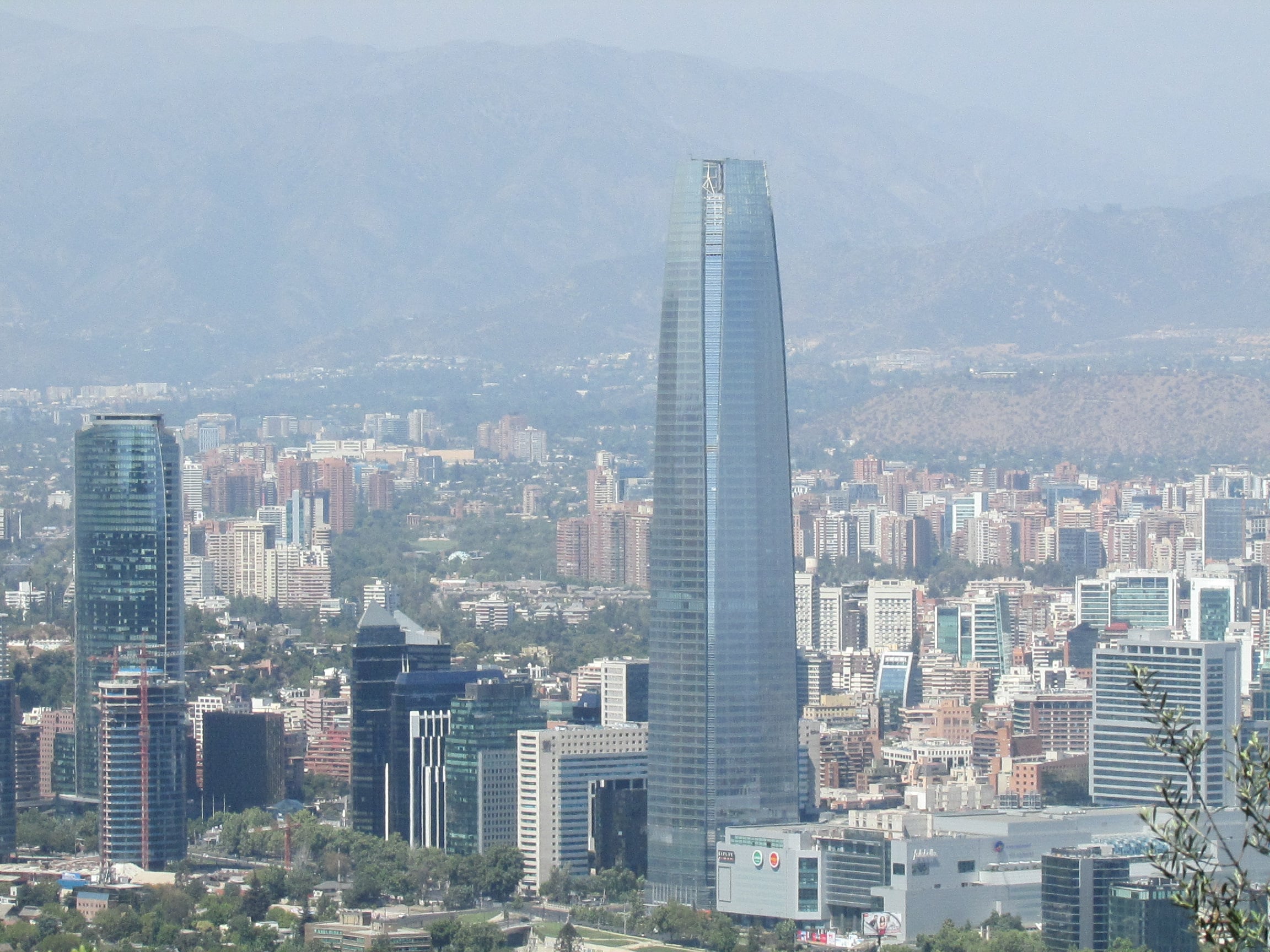
Chile has long sold itself as Latin America’s orderly market economy, and nowhere more than in electricity, where private companies run much of the grid.
So a new law that makes those companies pay when the lights go out is more than a technical fix. It is a signal that patience with the utilities has run out.
What the Chile Electricity Law Does
On 22 July 2026, Chile’s Chamber of Deputies ratified the Senate’s changes to a “tariff-protection” bill, clearing its final hurdle to becoming law.
Its headline provision is simple but pointed. When distributors cut off or fail to deliver service, the compensation owed to customers must be funded by the companies themselves — not passed on to users.
The law also aims to lower regulated tariffs, regularise the often-messy process of setting distribution and transmission charges, and improve the security and quality of supply.
Because it protects regulated tariffs, it reaches almost every household, which buys power at prices the state sets rather than on an open market.
The measure passed with broad support, a sign of how politically toxic the status quo had become.
Why Chileans Were So Angry
The anger has deep roots. In the 2024 calculation of the “distribution added value,” the cost of mandatory outage compensations was quietly shifted from the power companies to their customers.
According to Chilean reporting, 21 of the country’s 26 distribution firms applied that arrangement — meaning users were, in practice, financing the very refunds they were owed when the lights went out.
Layered on top was a separate saga over errors in electricity bills, which left many Chileans feeling overcharged and mistrustful of the whole system.
For a country that prides itself on orderly institutions, the sense that the rules had been tilted against consumers struck a nerve.
Compensation for a blackout is meant to punish the company that failed; having customers pay for it, critics said, inverted the whole point.
The Storms That Keep the Lights Off
The reform arrives as Chile is once again battered by winter storms. A frontal system has knocked out power to homes, with utilities and the regulator fielding a flood of outage reports.
Chile has been here before. Past storms and a near-total blackout have left large parts of the country dark for hours or days, fuelling public fury at the distributors.
Winter in central and southern Chile regularly brings fierce frontal systems, and the grid’s ability to withstand them has become a recurring test of the utilities.
Utilities such as Enel have been fined before for slow restoration after storms, but fines alone did little to change behaviour.
What It Means for Consumers and Companies
For households, the promise is twofold: potentially lower regulated tariffs, and no longer bankrolling their own compensation.
For the distributors — including large operators such as Enel and CGE — it is a direct hit, adding the cost of outages to their own books and raising the price of poor reliability.
The bet is that making companies pay will push them to invest in a grid that fails less often.
How much tariffs actually fall will depend on the detailed tariff processes the law also promises to clean up.
The Bigger Picture
The tariff fights and blackouts have tested Chile’s market model, feeding a wider debate about whether privatised utilities serve consumers well enough.
President Gabriel Boric’s government has leaned into consumer protection, and the electricity fight fits a broader push to be seen defending ordinary Chileans’ pockets.
The debate echoes across Latin America, where governments from Colombia to Argentina wrestle with how to price power fairly.
Separately, Congress has moved to regularise a roughly US$900 million debt with the distributors, part of the tangle of unfinished business in Chile’s power sector.
What Foreigners Should Watch
For investors, the law signals a tougher stance toward utilities and a government willing to shift costs back onto companies after years of consumer complaints.
For residents, it is a concrete change: the next time the power goes out, the compensation should not quietly reappear on a future bill.
Whether it delivers cheaper, steadier electricity — or simply moves costs around the system — is what the coming winters will reveal.
Chile’s experience is being watched around the region, where privatised power grids face the same tension between profit and reliability.
More: Chile news in English, every day from The Rio Times.
Frequently Asked Questions
What does Chile’s new electricity law do?
Cleared by Congress on 22 July 2026, it stops customers from financing the compensation they are owed for power cuts — shifting that cost to distributors — and aims to lower regulated tariffs and improve supply reliability.
Why were Chileans paying for their own blackout compensation?
In the 2024 “distribution added value” calculation, the cost of mandatory outage compensations was passed from the power companies to users; Chilean reporting says 21 of the 26 distribution firms applied it.
How does this connect to Chile’s storms?
The law passed as winter storms again cut power across parts of Chile, reviving public anger over blackouts and sharpening the question of who should pay when supply fails.
Sources & Further Reading
Senado de Chile — Estabilización y protección tarifaria eléctrica a ley
CIPER Chile — Cortes de luz: compensaciones financiadas por los propios usuarios
Sources: Chile's Congress; Chile's Chamber of Deputies.
This article was produced by The Rio Times’ automated newsroom system. How we use AI · Report an error · Editorial responsibility: Matthias Camenzind, Editor-in-Chief
In depth
LatAm Markets: Live Signals → — real-time movers, turnover leaders and FX across Latin America.