Musk says he will review suspension of mostly conservative Brazilian politicians on Twitter
Billionaire Elon Musk said on Monday (Nov. 14) that he would review the accounts of suspended Brazilian politicians on Twitter.
The profiles appear with a message that the accounts have been “retained by a court decision”.
Jovem Pan commentator Roberto Motta asked Twitter’s new owner to verify the suspensions.
In response, Musk said that the review was on his “list” and asked “how urgent this was.
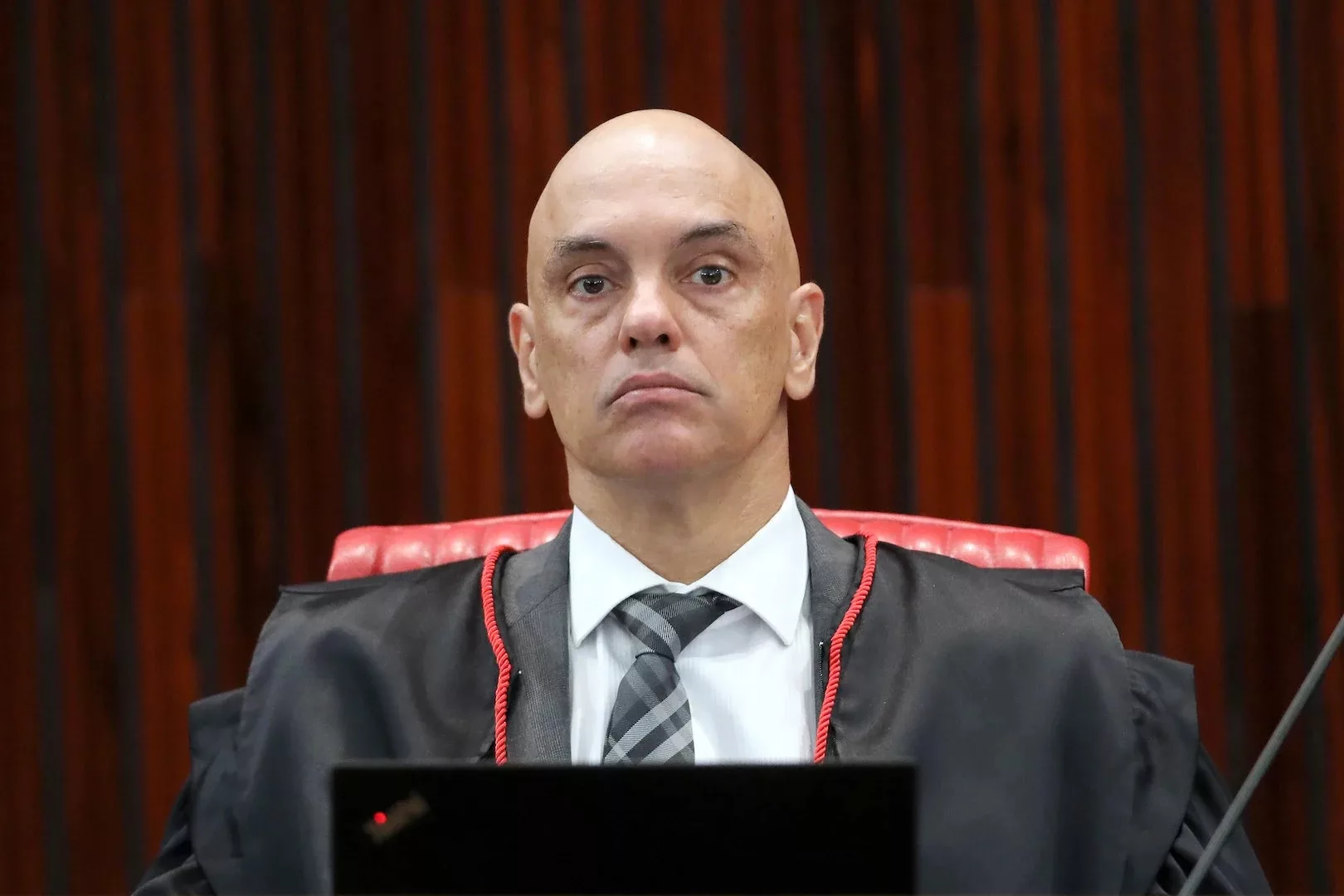
In the past two weeks, the social media accounts of at least seven deputies allied with President Jair Bolsonaro and journalists and digital influencers have been blocked by TSE president Alexandre de Moraes, who gave himself imperial powers that were supposed to expire on Oct. 31.
One of the most bizarre cases was that of economist Marcos Cintra, former finance minister and opponent of the president in the elections.
He was a vice candidate on Soraya Thronicke’s list. Cintra lost his Twitter account and had to make a statement to the federal police.
Federal Representative Carla Zambelli (PL-SP) had her Twitter, LinkedIn, Instagram, and Facebook account suspended on Nov.1.
In a letter sent to the press, the congresswoman said that the blocking was due to a TSE decision.
However, there is nothing published on the Court’s website.
Federal deputy-elect Nikolas Ferreira (PL-MG) had his Twitter (and Instagram) account suspended on November 4.
On Oct. 2, he was the most-voted congressman in the country, with 1,492,047 votes.
Besides him, the profile of the former candidate for the House and commentator Adrilles Jorge (PTB-SP) on the social network was retained on Nov. 8.
To Poder360, Adrilles said he did not know the motivations behind the account being taken down and recalled his last publications on the platform.
“I simply, in the last tweets, I criticized the role of the press; I asked: ‘where was Lula?”
I made an ironic post, saying that we were living in a dark period and that people were being censored,” he said.

RETURN OF CENSORSHIP IN THE COUNTRY, WHICH HAD BEEN ABOLISHED SINCE THE END OF THE MILITARY REGIME IN THE 1980S
On Oct. 20, ten days before the second round of elections, the president of the Superior Electoral Court (TSE), Alexandre de Moraes, approved a resolution that gave the Court imperial powers until the election results were announced.
From that day on, the Court decided what could and could not be published on social networks, under the threat of removing content without the right to defense and handing the case over to the Federal Police.
This date marks the return of censorship in the country, which had been abolished since the end of the military regime in the 1980s.
The proposed freeze should have been in place until Oct. 31 so that voters’ security and electoral freedom are not affected.”
The elections ended on the evening of Oct. 31. But censorship from the pen of Alexandre de Moraes did not stop but has instead intensified.
For the full picture, see our Brazil Tax Reform: Complete Guide.
More: Brazil news in English, every day from The Rio Times.
This article was produced by The Rio Times’ automated newsroom system. How we use AI · Report an error · Editorial responsibility: Matthias Camenzind, Editor-in-Chief